H1 2026 Venture Funding Hit a Record $510B — and Two AI Labs Took 43%
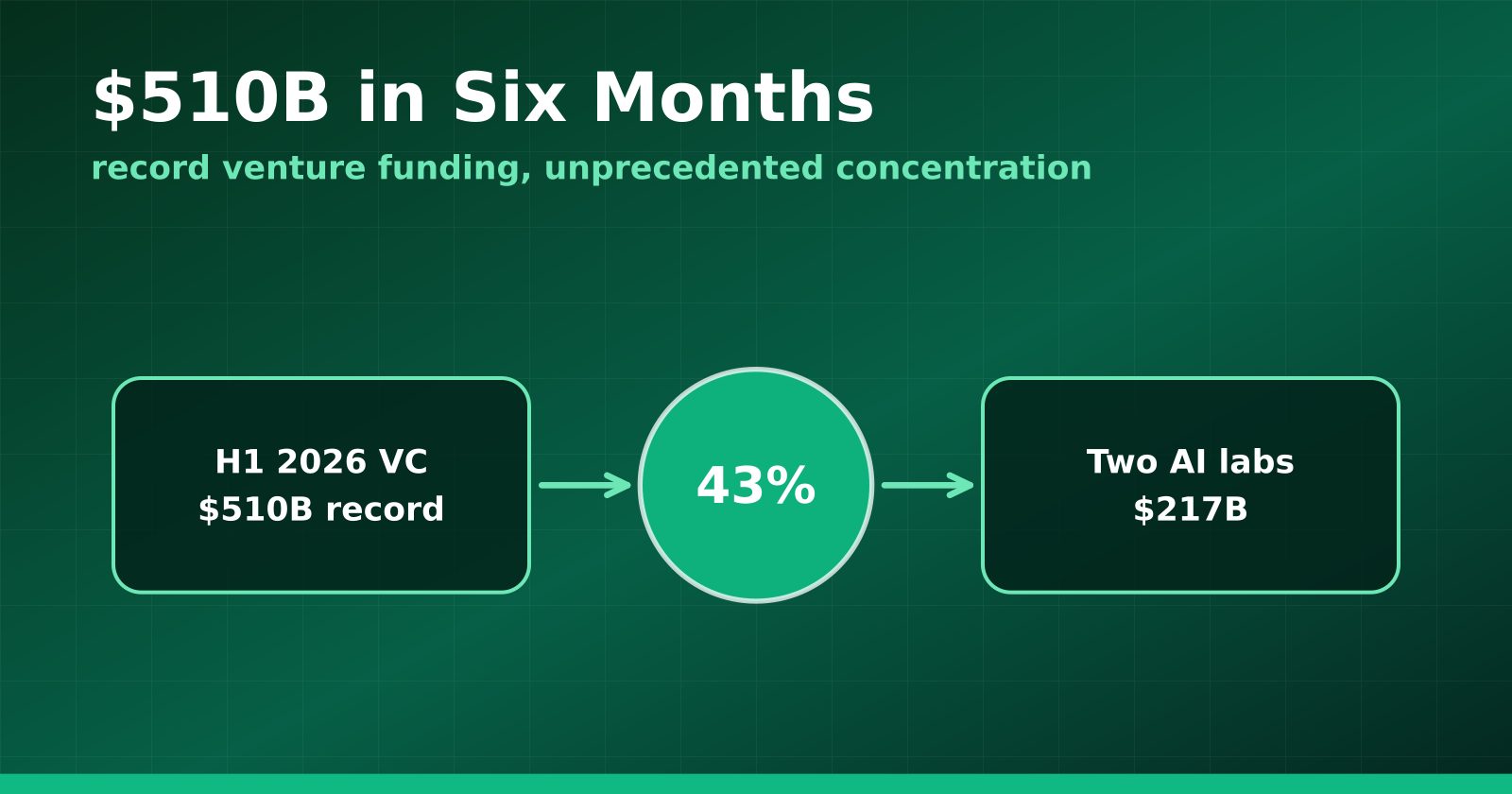
Crunchbase's half-year numbers, published July 2, describe a venture market that has never been bigger or narrower at the same time. Global VC funding reached a record $510 billion in the first half of 2026. Of that, OpenAI and Anthropic alone accounted for $217 billion — 43% of all startup capital raised globally. The AI sector overall absorbed an estimated 65–70% of deployment, and Q2 alone put $205 billion into more than 5,000 startups.
A Record With a Skew
The headline number says boom; the distribution says something stranger. Two companies took more capital than entire national venture ecosystems raise in years. This is less like a broad gold rush and more like the capital markets financing two Manhattan Projects with a startup economy attached — the same dynamic driving Anthropic's reported $47 billion revenue run-rate and OpenAI's IPO preparations.
For everyone else, the practical question is what the remaining 57% means. In absolute terms it is still enormous — roughly $290 billion for non-lab startups. But the gravitational field matters: talent pricing, GPU costs, and enterprise AI budgets are all being set by two companies' spending, and every AI startup's pitch is now implicitly benchmarked against "why won't the labs do this?"
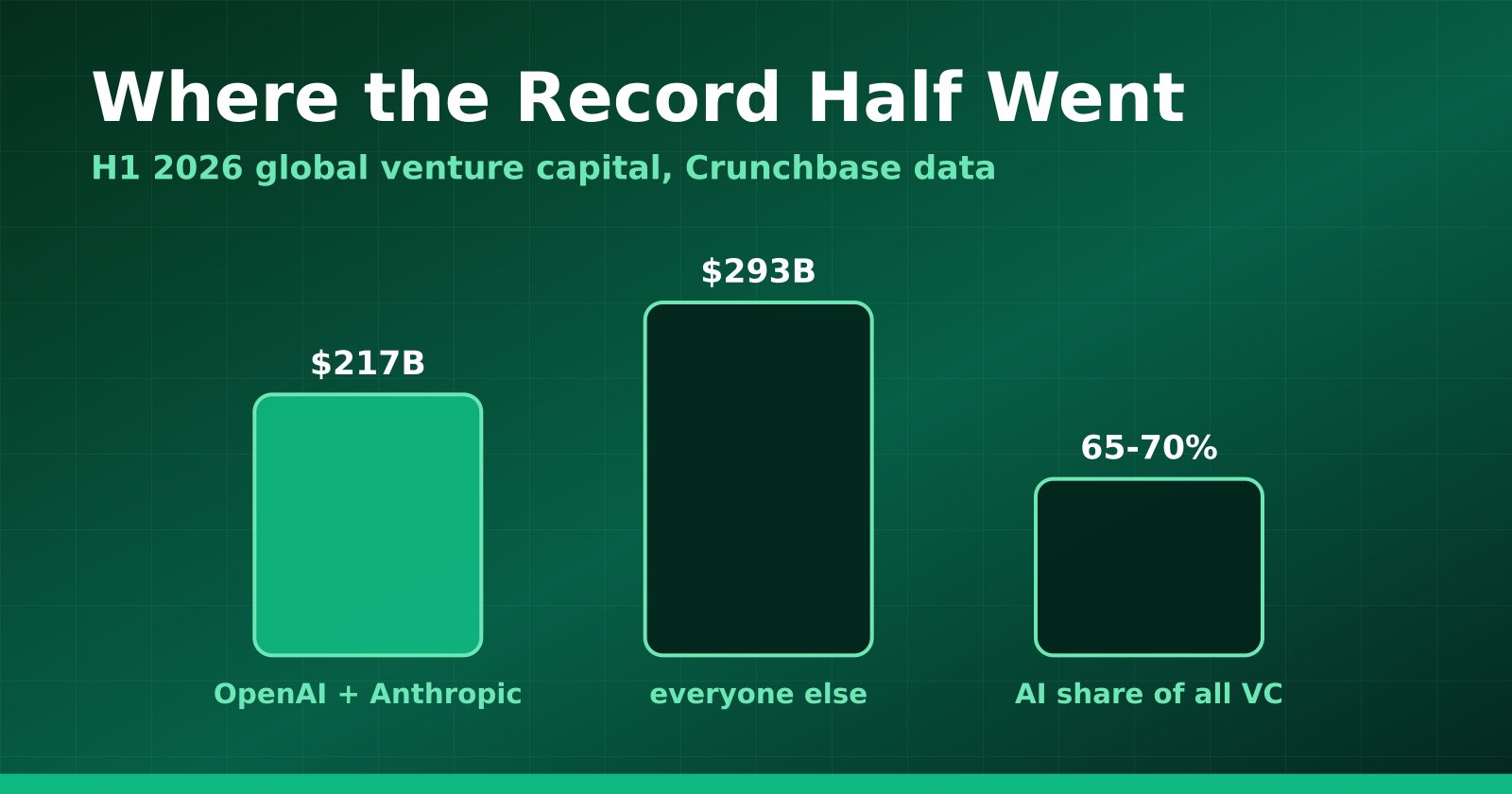
Caption: $510B in H1 2026: $217B to two labs, the rest of the record split across thousands of startups.
Subsidized Prices Are Not a Business Model Input
Capital concentration also flows downstream as pricing. Introductory tiers, aggressive token discounts, and free-tier generosity are all funded by that $217 billion — and Palantir's CEO calling the industry's pricing dynamics "insane" the same week suggests the enterprise side is noticing. Prices set during a land-grab phase should be treated as promotional, whichever direction they eventually move.
Engineering Tip: Stress-Test Your Unit Economics Against Provider Repricing
If your product resells intelligence — an AI feature priced per seat sitting on tokens priced per million — model your margins at three price points: today's rate, the provider's standard (non-promotional) rate, and 2x standard. If the 2x case kills your margin, that is a product design problem to solve now: caching, smaller routed models for routine tasks, or output limits, not a renegotiation to attempt later. Keep a per-feature dashboard of token cost against revenue; when a lab flush with capital cuts prices, you will know exactly how much room you have to follow — and when the subsidy era ends, you will not be the one explaining a margin collapse to your board.
Sources: Crunchbase News, Tech Startups, Build Fast With AI.
What do you think? Is 43% of global venture capital in two companies a rational bet on transformative technology — or the biggest concentration risk in market history?
Ready to organize your knowledge with AI?
BrainMap automatically classifies your notes, discovers connections, and builds your personal knowledge graph. Free to start — no credit card required.
Start for FreeRelated Articles
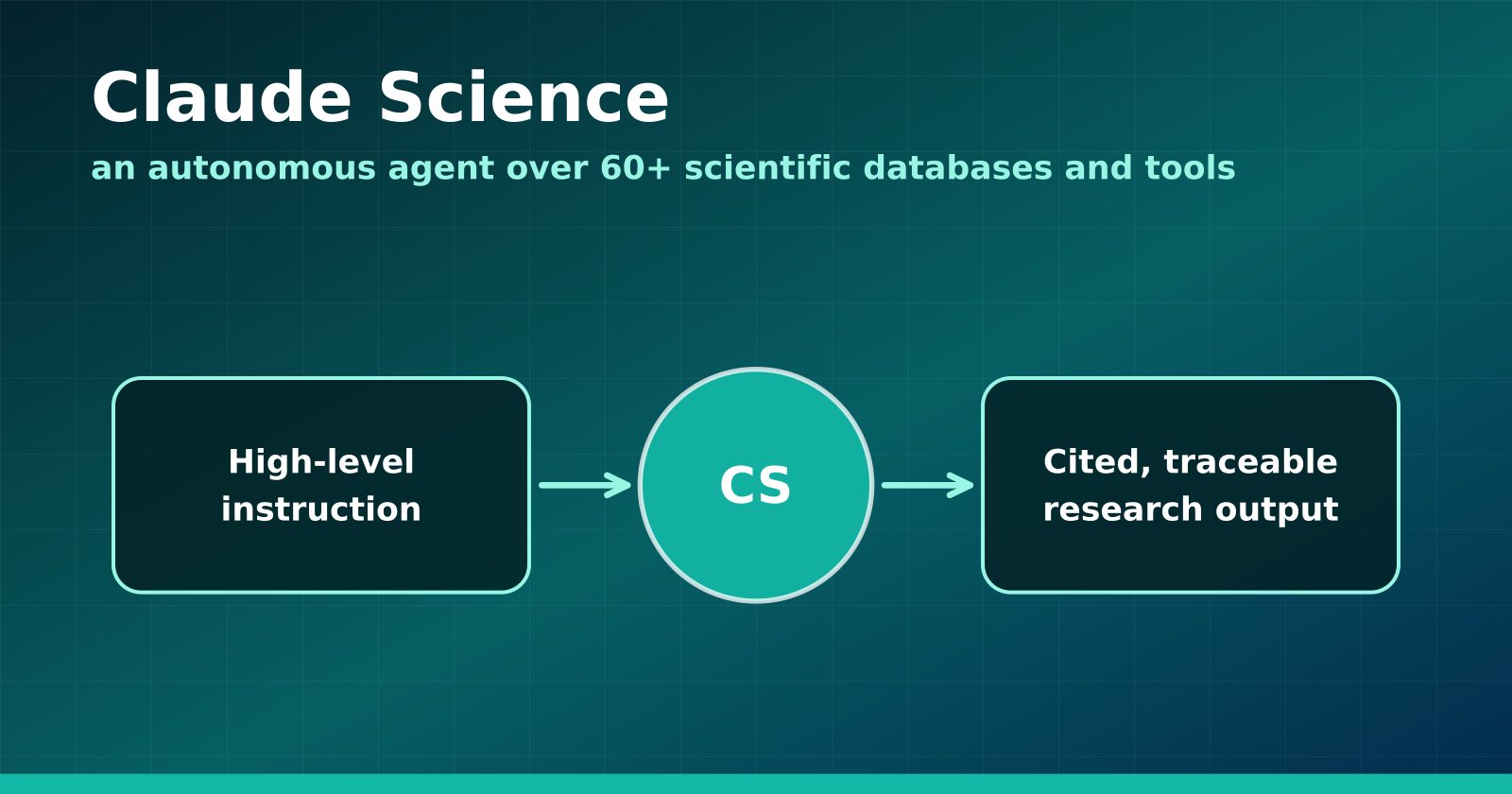
Claude Science Turns the Research Workbench Into an Agent Surface
Anthropic's new flagship product wires 60+ scientific databases and computation tools into an autonomous research agent — and Anthropic is using it to hunt drugs for neglected diseases.
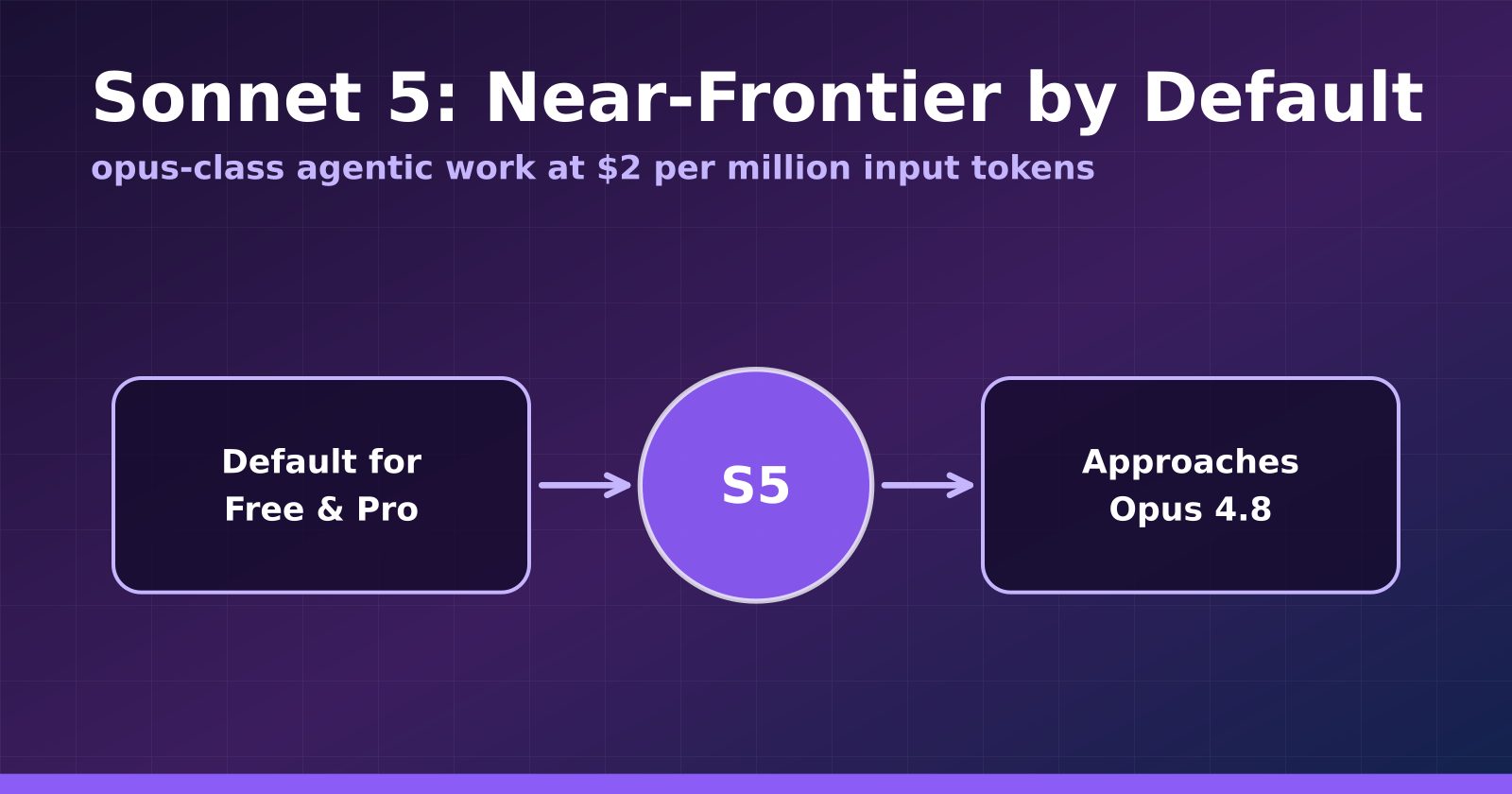
Claude Sonnet 5 Makes Near-Frontier Performance the Default Tier
Anthropic's Sonnet 5 launches at $2 per million input tokens, approaches Opus 4.8 on agentic benchmarks, and becomes the default for Free and Pro users.
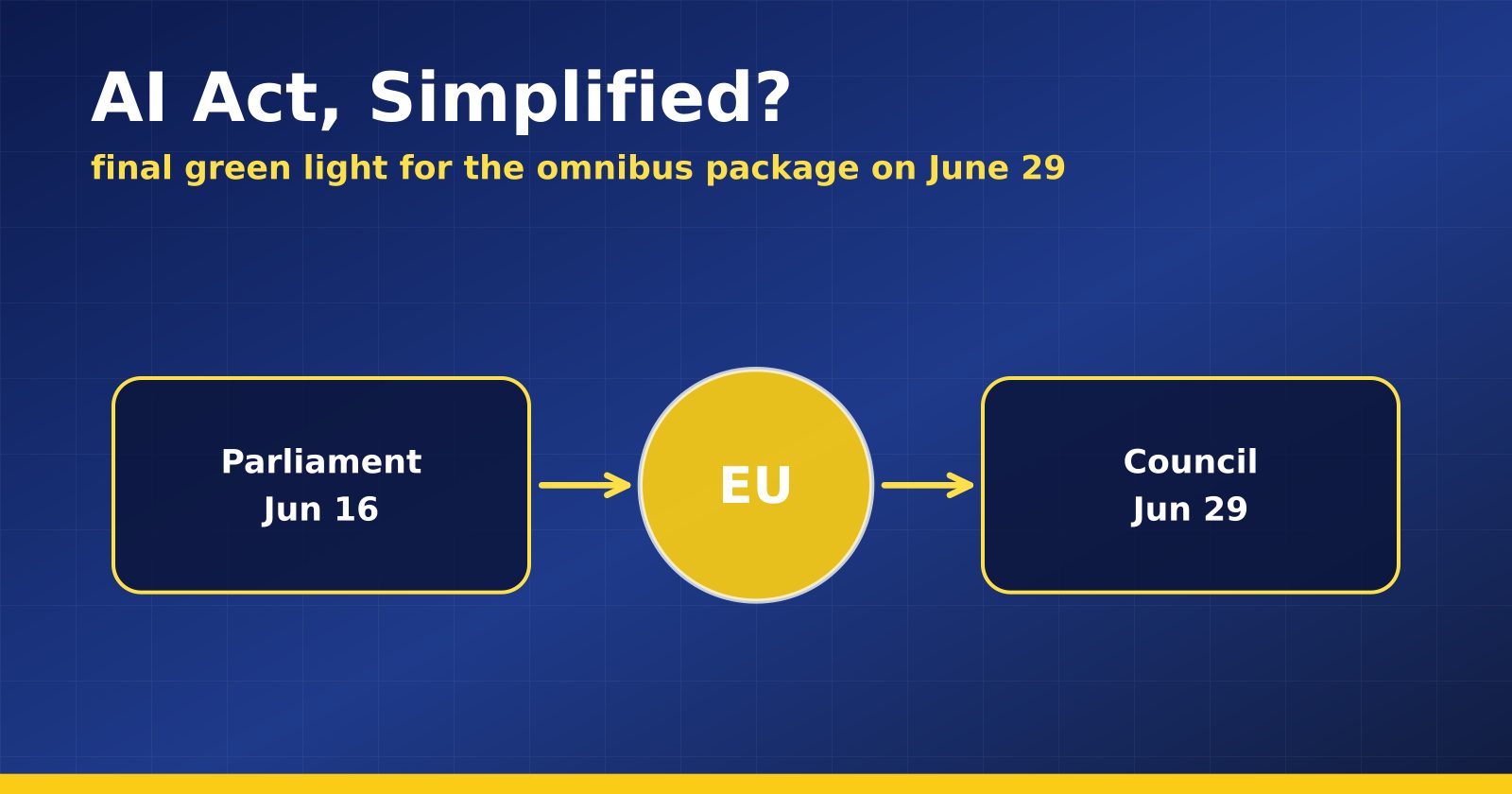
EU Locks In AI Act Simplification: New Deadlines, Wider SME Relief, New Bans
The Council gave final approval to the AI Act omnibus on June 29 — extending SME relief to 750-employee companies, shortening transparency grace periods, and banning deepfake nudity tools in December.