Claude Science Turns the Research Workbench Into an Agent Surface
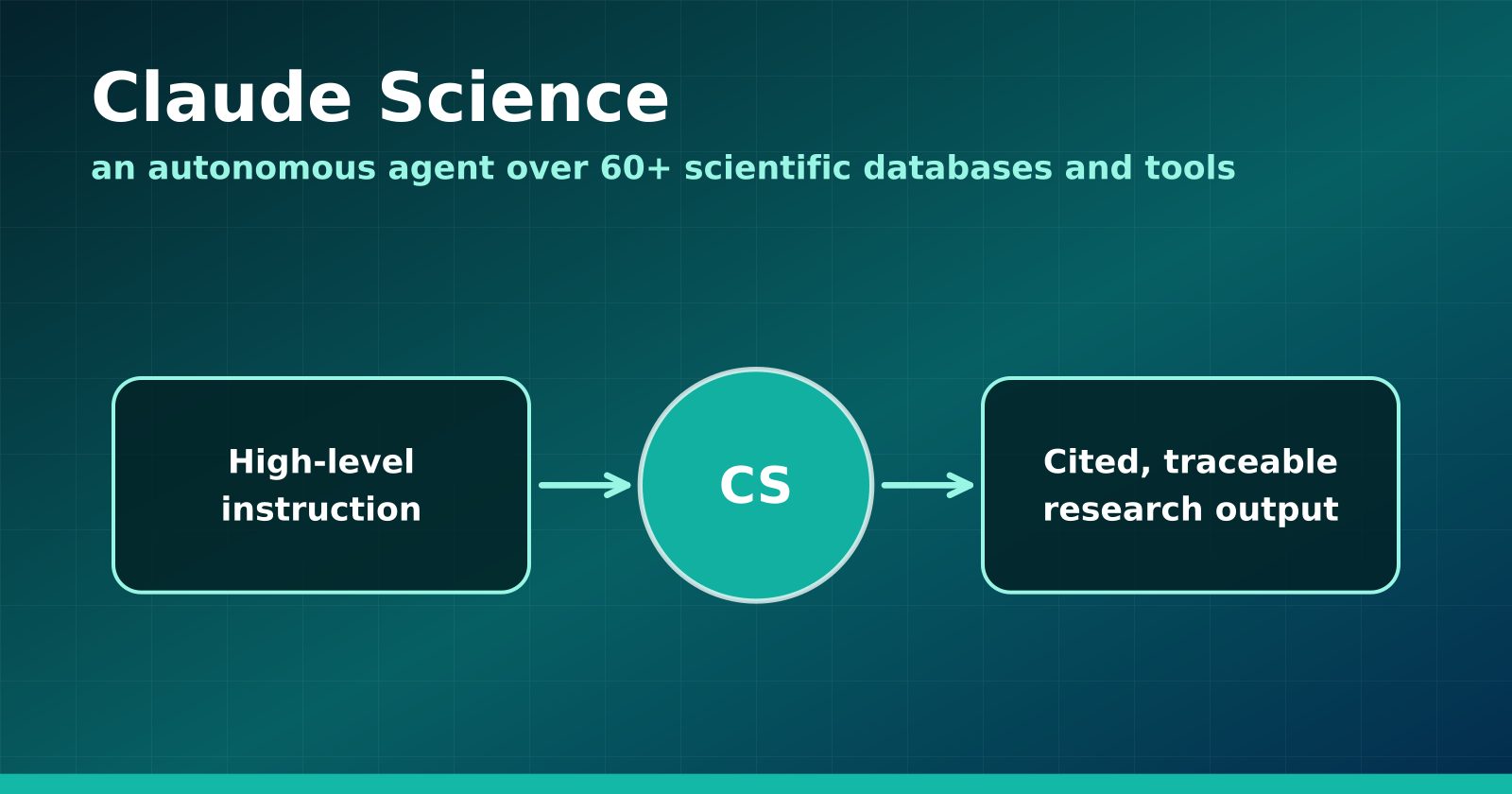
On June 30, Anthropic launched Claude Science, a research workbench that integrates more than 60 scientific databases and computation tools into a single agentic workspace. MIT Technology Review calls it Anthropic's newest flagship product. Like Claude Code, it takes concise, high-level instructions and autonomously carries out meaningful work — searching literature, querying protein databases, running computations — with a bias toward computational biology and drug development. It is available to all paid Claude subscribers.
From Chat Window to Instrumented Workbench
The significant part is not the model — it is the tool surface. A researcher asking "what known compounds bind this target?" gets an agent that actually queries the relevant databases, cross-references results, and shows its work. Anthropic is betting that the next competitive edge is not raw intelligence but curated, deep integrations with the systems where knowledge already lives.
Anthropic also announced it will use Claude Science internally to pursue drug candidates for rare and neglected diseases — a public dogfooding commitment that doubles as a credibility test. If the workbench produces real candidates, that result will market the product better than any benchmark.
Why Knowledge Workers Outside Biology Should Care
The pattern generalizes. Sixty databases wired into an agent is the same architecture as your company wiki, ticket system, and design docs wired into an assistant — or your personal notes graph made queryable by an agent. The hard problems are identical: provenance (which source said this?), freshness (is this the current record?), and verification (did the agent actually run the query, or improvise?).
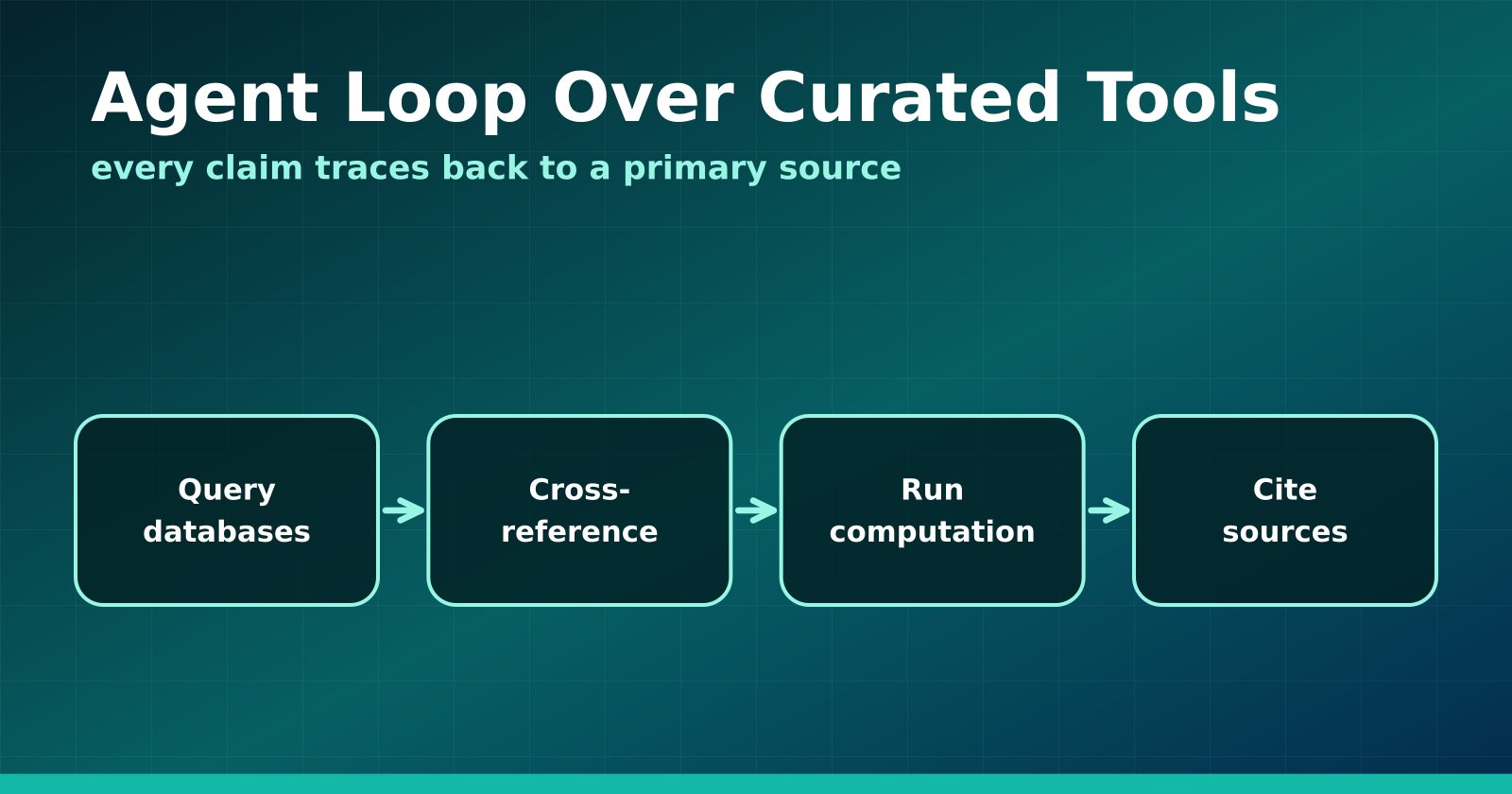
Caption: An agent loop over curated tools: query, cross-reference, compute, and cite back to primary sources.
Tools like BrainMap sit on the same trajectory: once your notes are structured as a knowledge graph, an agent can traverse them the way Claude Science traverses protein databases — with citations back to your own sources instead of a black-box answer.
Engineering Tip: Provenance Is the Product
If you build agent-over-knowledge features, treat citations as a hard requirement, not a nice-to-have. Every claim in an agent's output should carry a machine-readable reference to the source record — database, ID, timestamp. Reject outputs that cannot be traced; log tool calls alongside conclusions so users can audit the path, not just the answer.
A practical starting point: wrap each data source in a tool that returns {result, source_id, retrieved_at} and force the synthesis step to only cite returned records. Hallucinated references die at the schema boundary instead of reaching the user.
Sources: MIT Technology Review, Bloomberg, Northeastern University.
What do you think? Would you trust an agent's literature review if every sentence linked back to the primary source — and would you read those sources?
Ready to organize your knowledge with AI?
BrainMap automatically classifies your notes, discovers connections, and builds your personal knowledge graph. Free to start — no credit card required.
Start for FreeRelated Articles
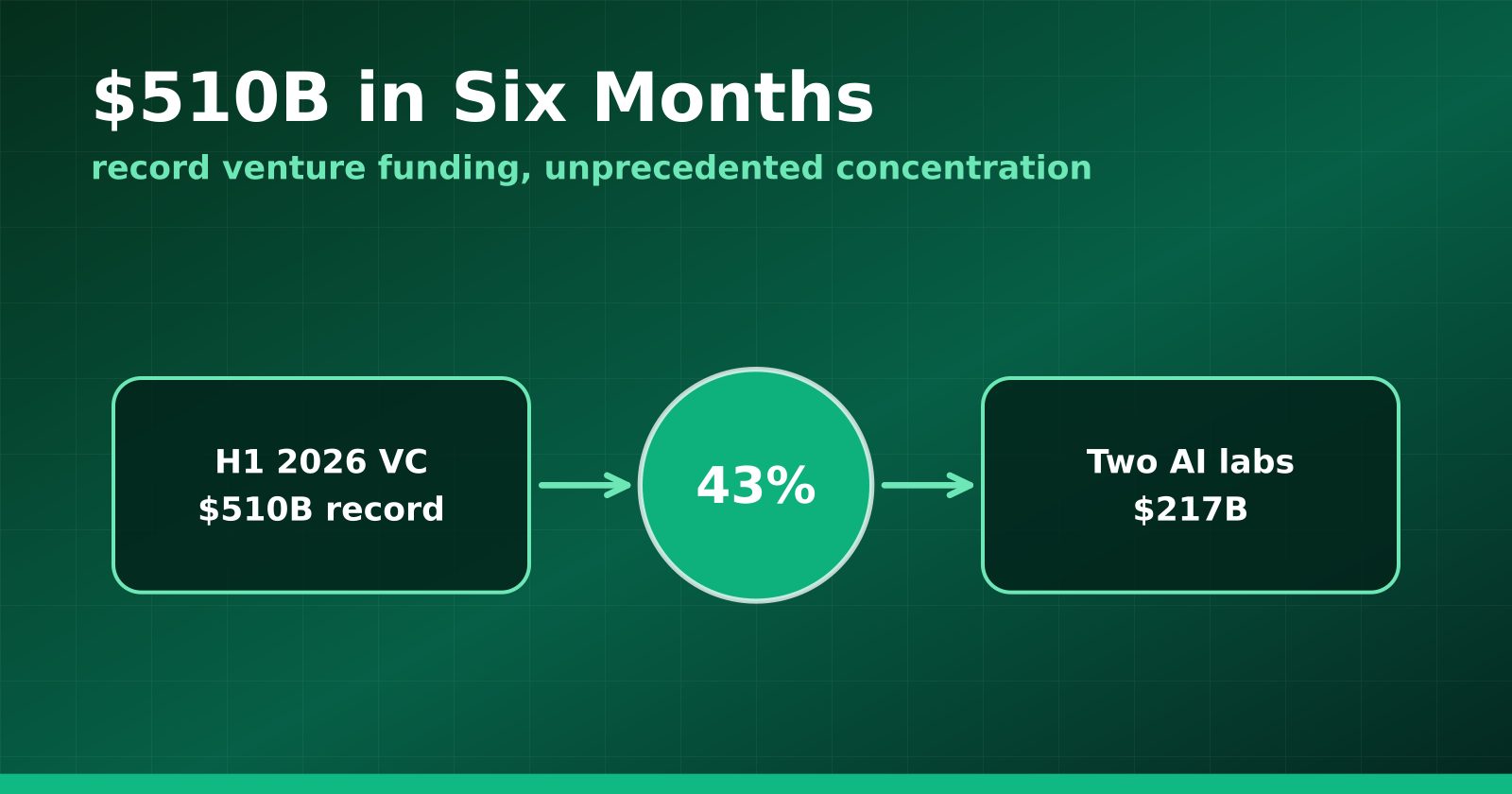
H1 2026 Venture Funding Hit a Record $510B — and Two AI Labs Took 43%
Crunchbase's half-year report shows global VC at an all-time high, with OpenAI and Anthropic alone absorbing $217 billion and AI claiming roughly two-thirds of all deployment.
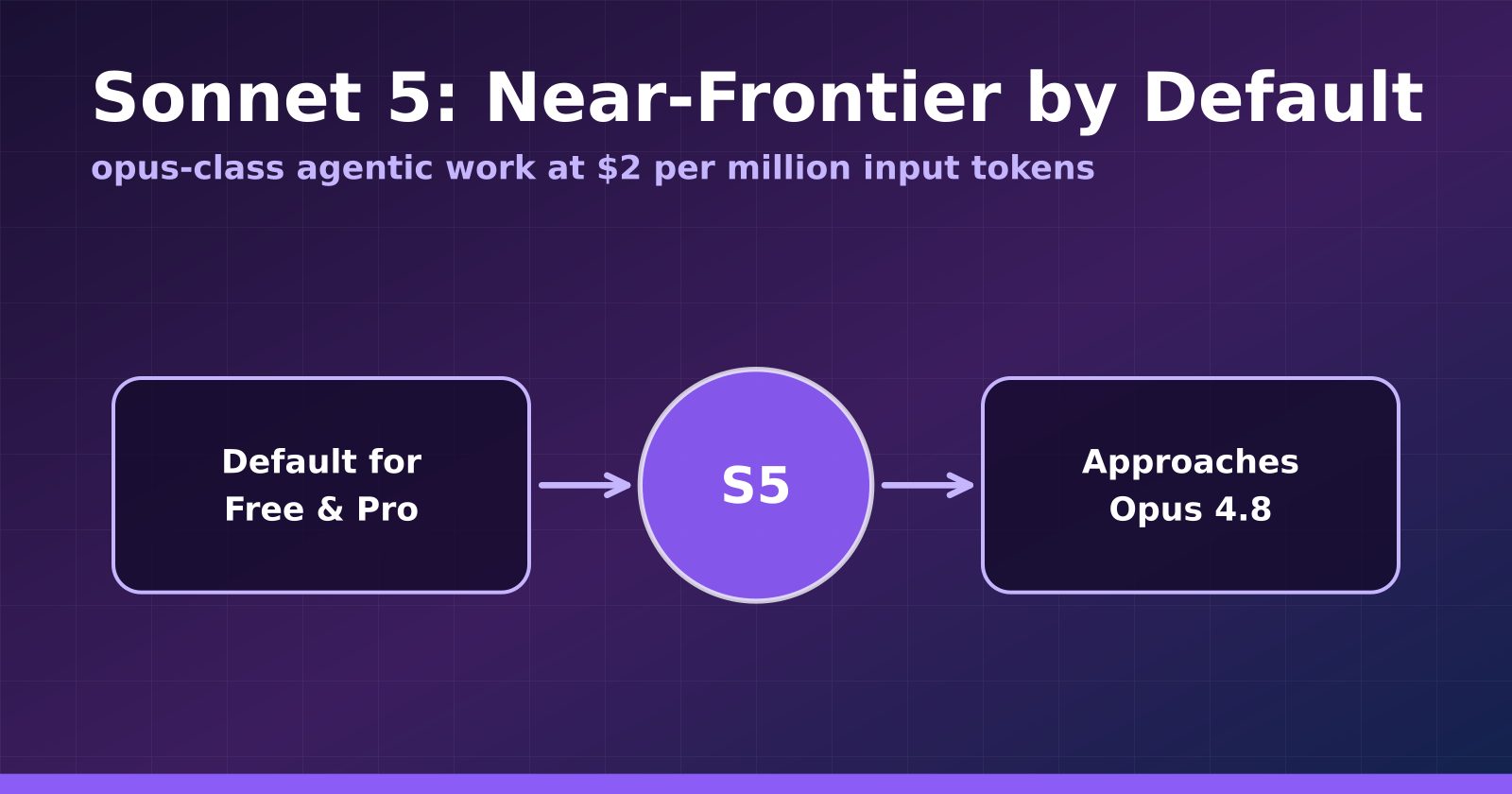
Claude Sonnet 5 Makes Near-Frontier Performance the Default Tier
Anthropic's Sonnet 5 launches at $2 per million input tokens, approaches Opus 4.8 on agentic benchmarks, and becomes the default for Free and Pro users.
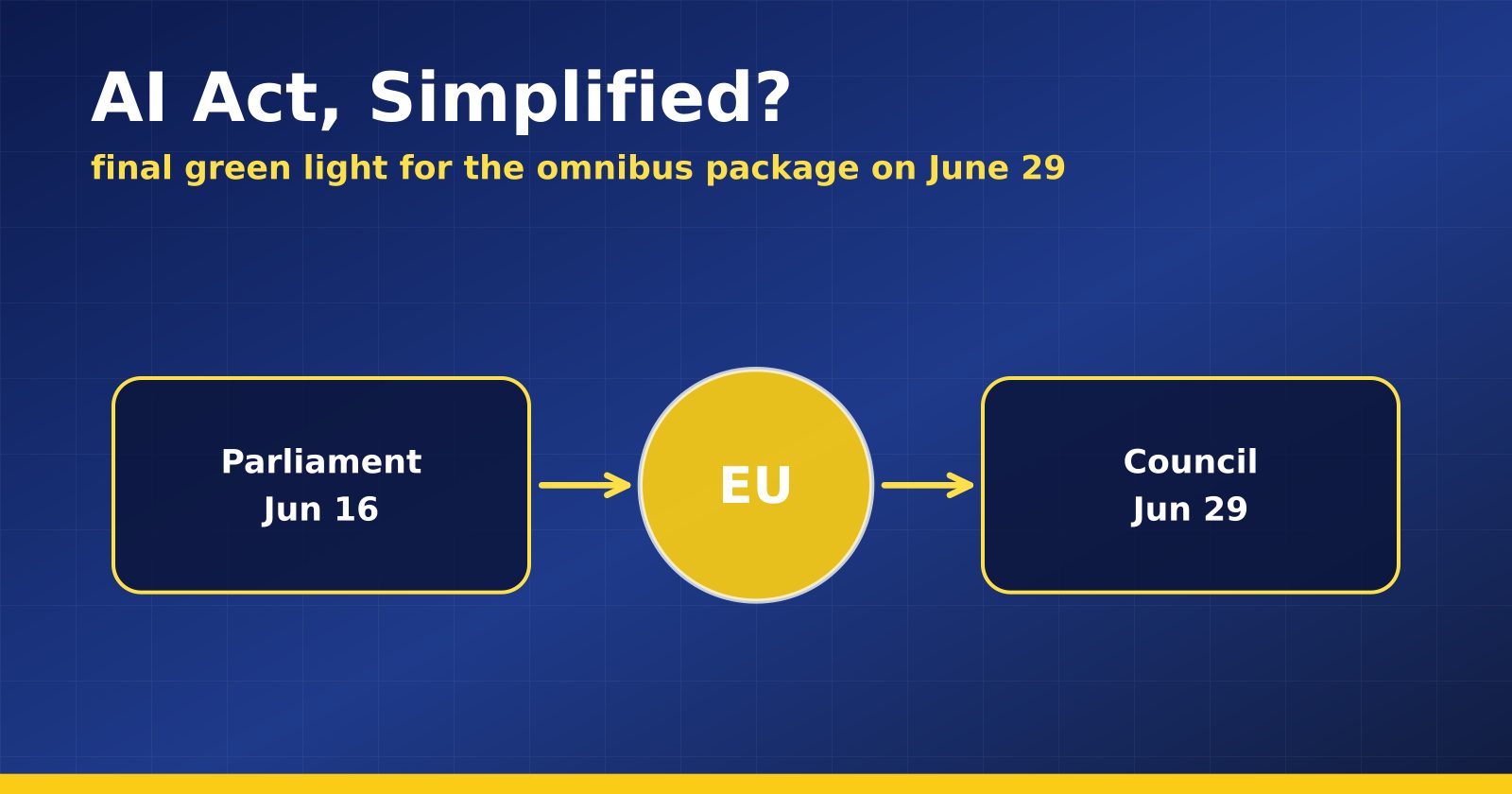
EU Locks In AI Act Simplification: New Deadlines, Wider SME Relief, New Bans
The Council gave final approval to the AI Act omnibus on June 29 — extending SME relief to 750-employee companies, shortening transparency grace periods, and banning deepfake nudity tools in December.