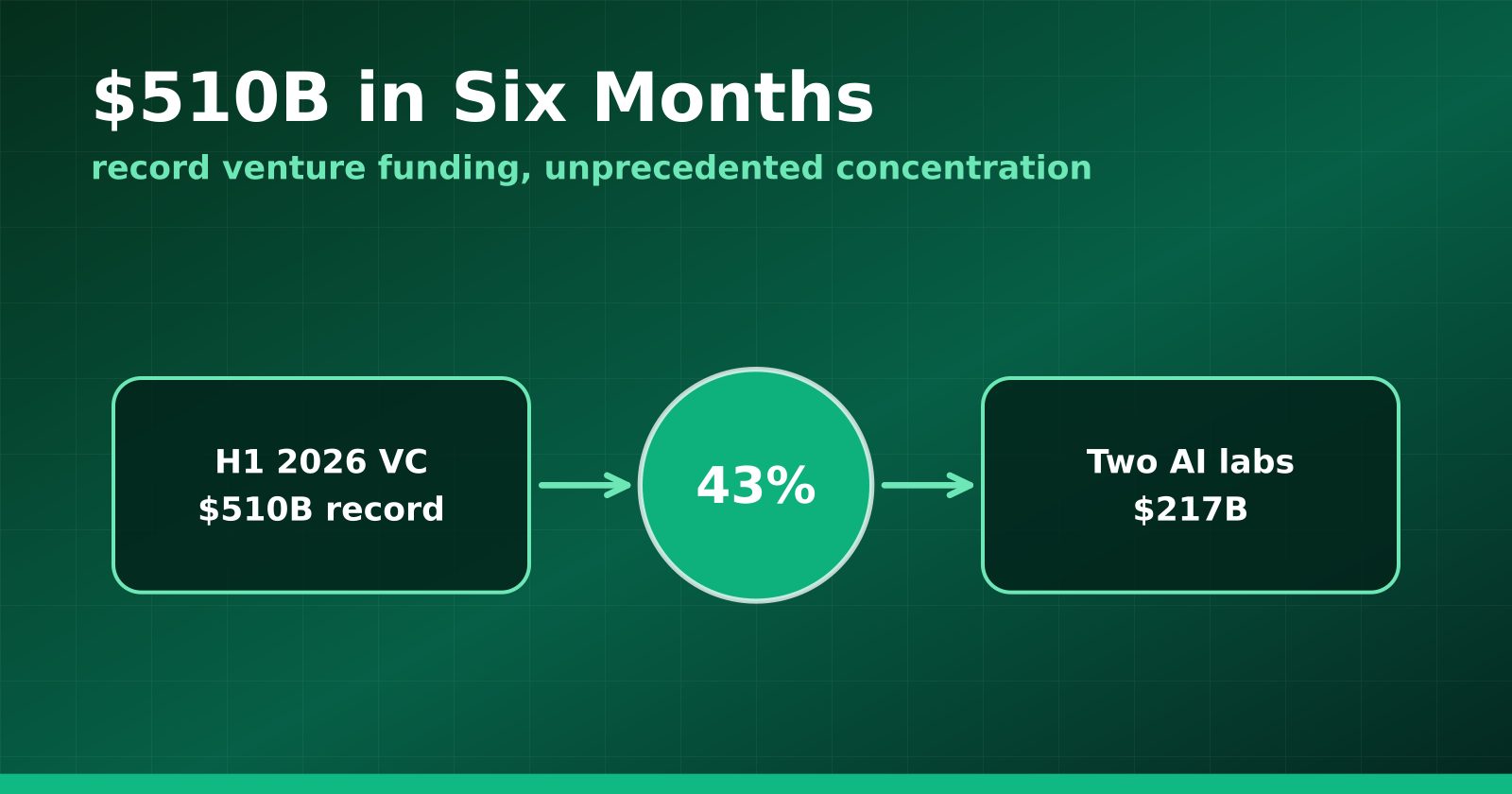
H1 2026 Venture Funding Hit a Record $510B — and Two AI Labs Took 43%
Crunchbase's half-year report shows global VC at an all-time high, with OpenAI and Anthropic alone absorbing $217 billion and AI claiming roughly two-thirds of all deployment.
Tips, guides, and insights about AI-powered note-taking, personal knowledge management, and productivity.

Crunchbase's half-year report shows global VC at an all-time high, with OpenAI and Anthropic alone absorbing $217 billion and AI claiming roughly two-thirds of all deployment.

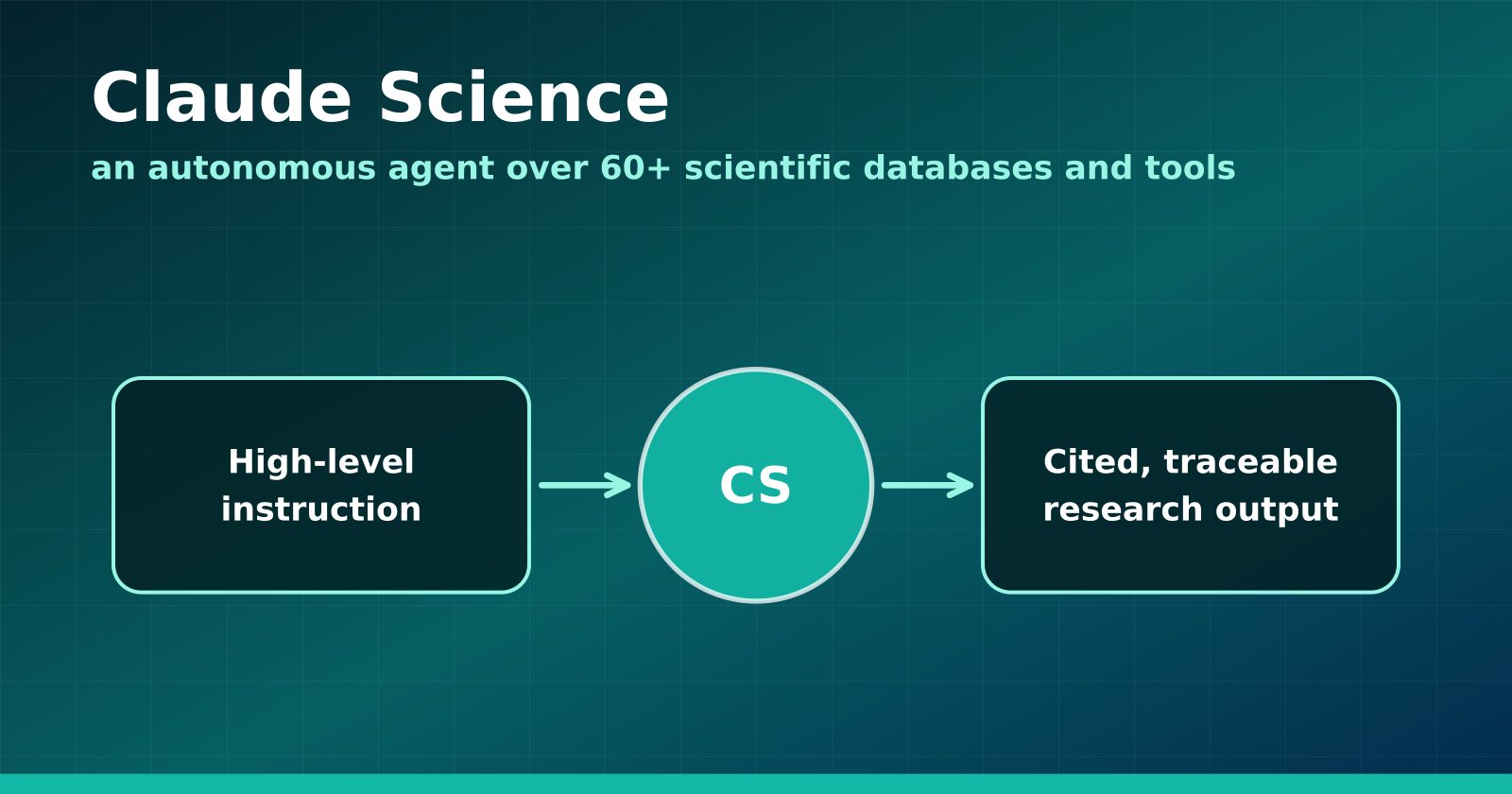
Anthropic's new flagship product wires 60+ scientific databases and computation tools into an autonomous research agent — and Anthropic is using it to hunt drugs for neglected diseases.

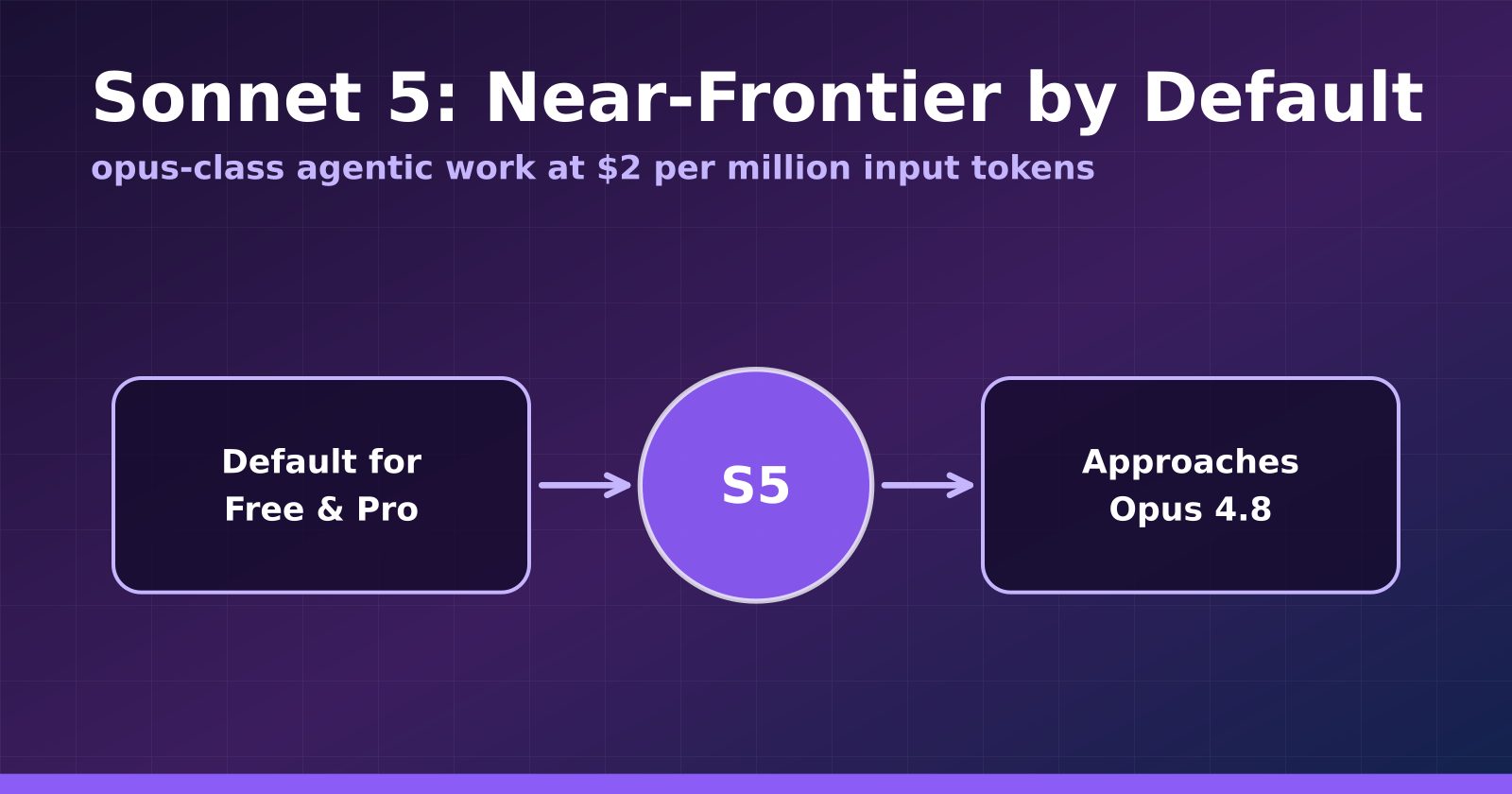
Anthropic's Sonnet 5 launches at $2 per million input tokens, approaches Opus 4.8 on agentic benchmarks, and becomes the default for Free and Pro users.

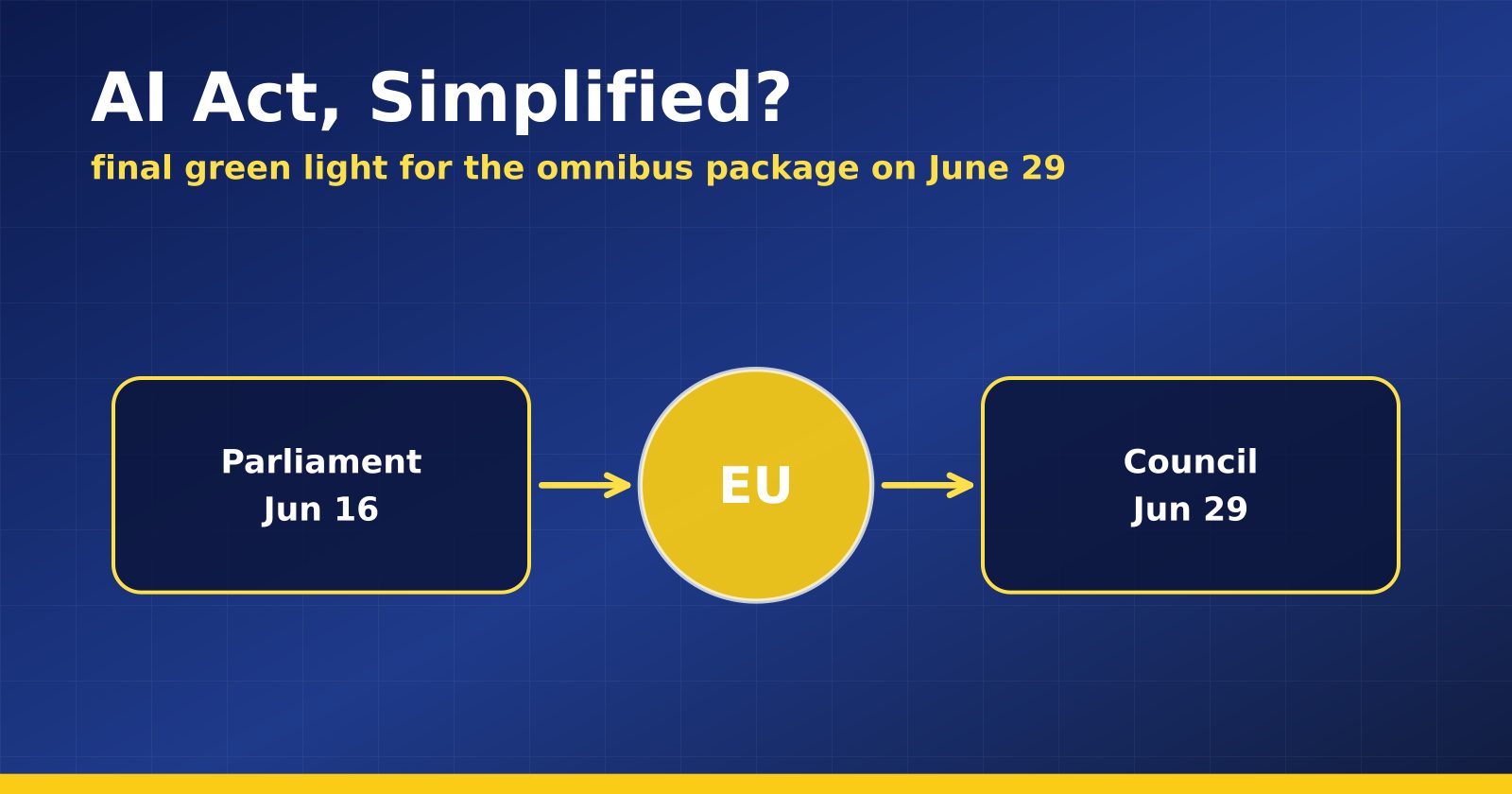
The Council gave final approval to the AI Act omnibus on June 29 — extending SME relief to 750-employee companies, shortening transparency grace periods, and banning deepfake nudity tools in December.

The US lifted export controls on Claude Fable 5 and Mythos 5 on June 30. The restoration comes with a jailbreak severity framework, a bug bounty, and a lesson about AI as infrastructure.

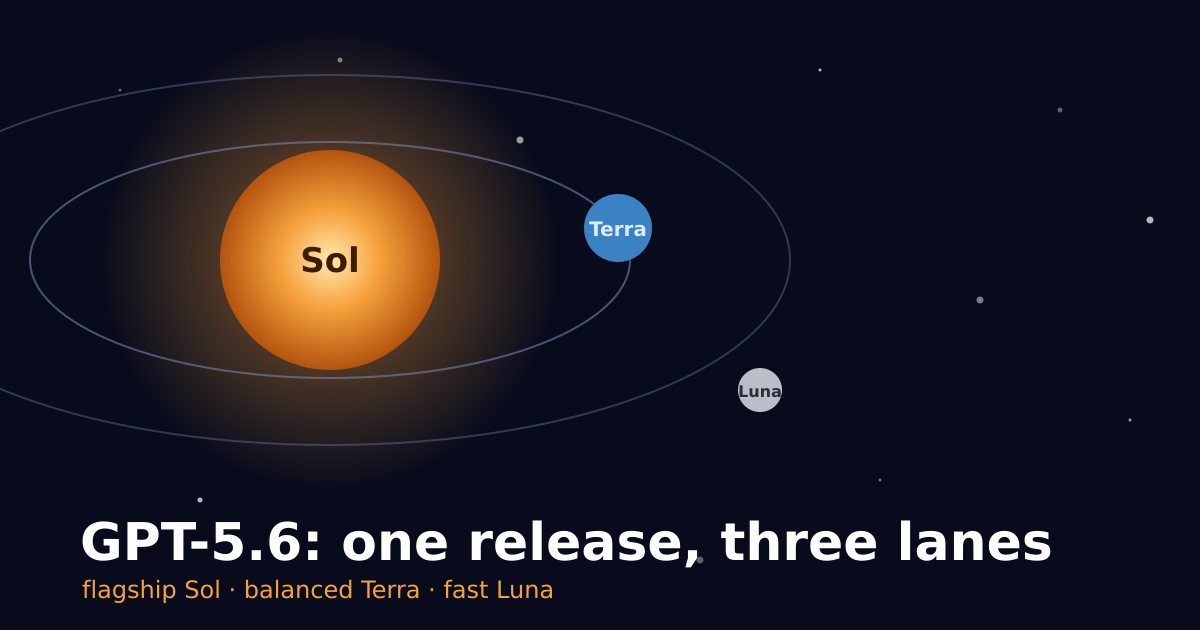
OpenAI's GPT-5.6 family previews with trusted partners: Sol sets a Terminal-Bench record, Terra undercuts on price, and Luna chases speed — with 750 tokens per second on Cerebras.

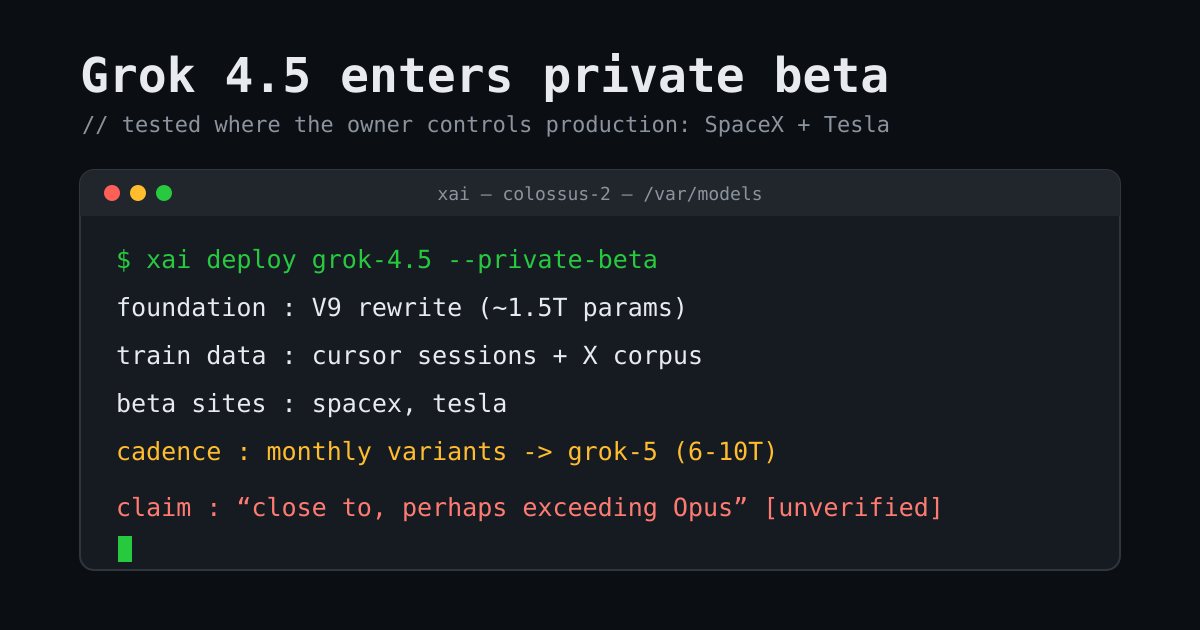
Elon Musk confirmed Grok 4.5 is running inside SpaceX and Tesla on a new 1.5-trillion-parameter V9 foundation — with V9-based releases planned monthly through 2026.

Meituan open-sourced a 1.6T MoE with native 1M context under MIT license, trained entirely on a 50,000-card domestic cluster — after it secretly topped OpenRouter as 'Owl Alpha'.

Meta announced a cloud unit selling spare GPU capacity and hosted Llama APIs, expanded its NVIDIA deal to multi-gigawatt scale, and sent AI cloud stocks tumbling.

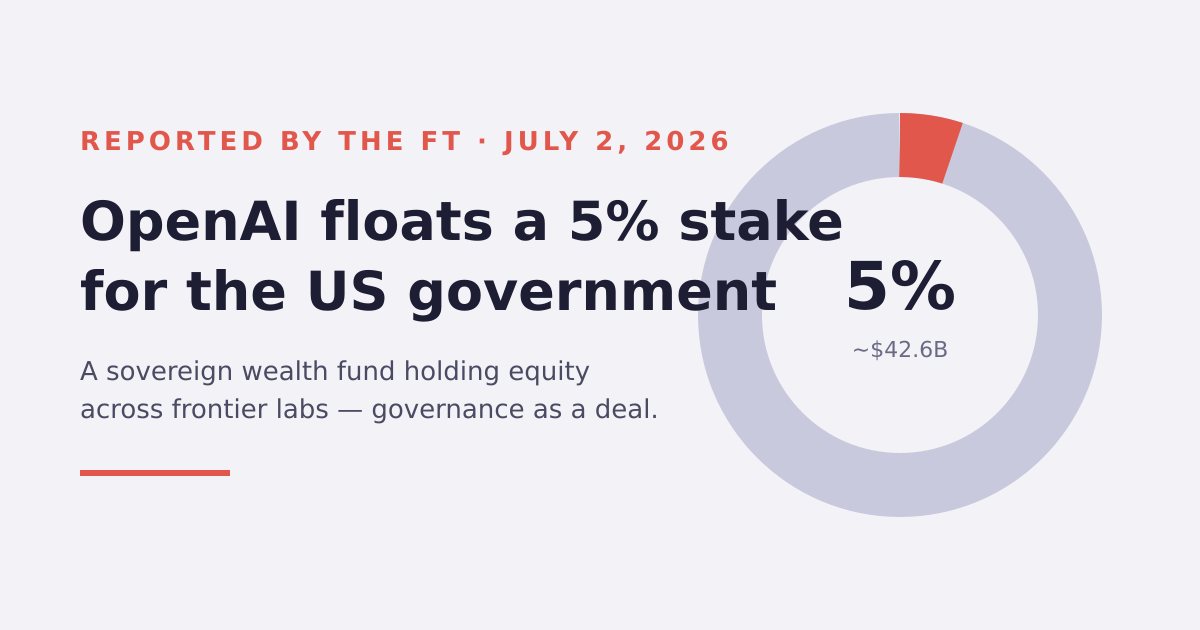
OpenAI proposed giving the US government a ~$42.6 billion equity stake via a sovereign wealth fund, and envisions Anthropic, Google, and Meta doing the same.

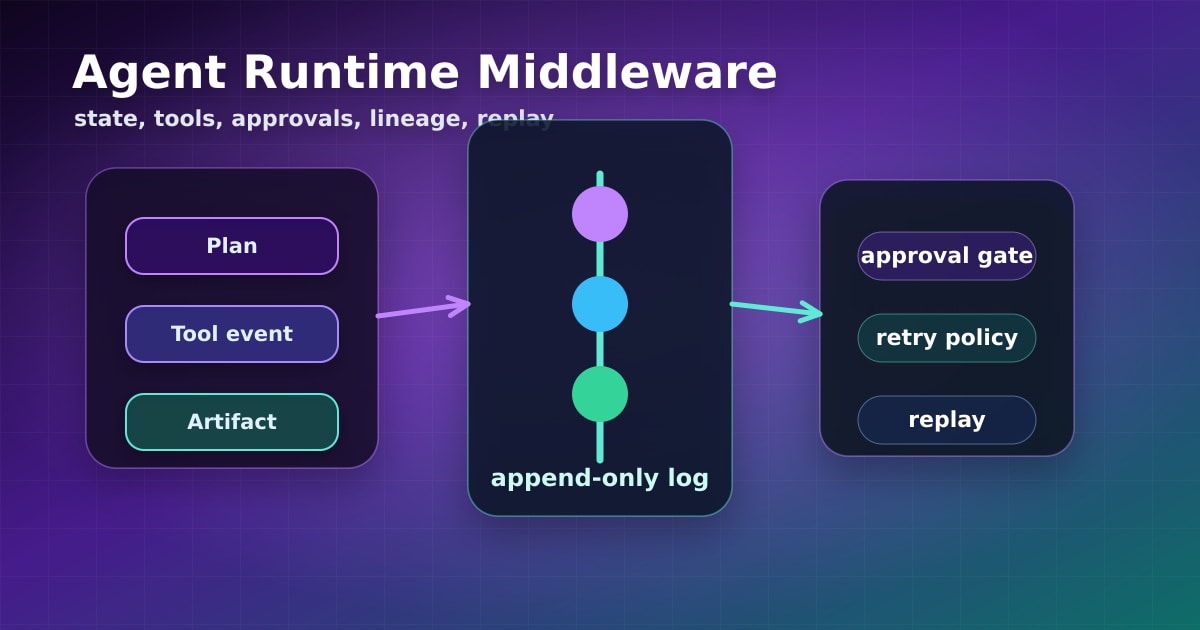
Enterprise AI agents need runtimes for state, tools, approvals, lineage, retries, and governance.

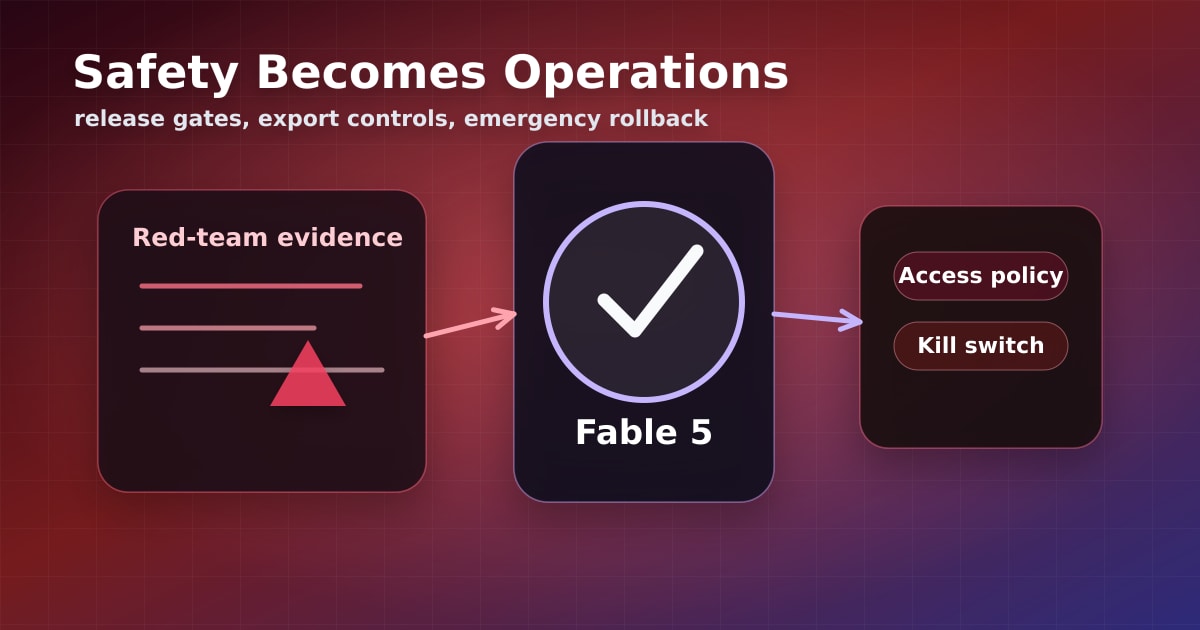
The Fable 5 dispute shows that frontier model safety now includes export controls, red teams, and operational shutdowns.

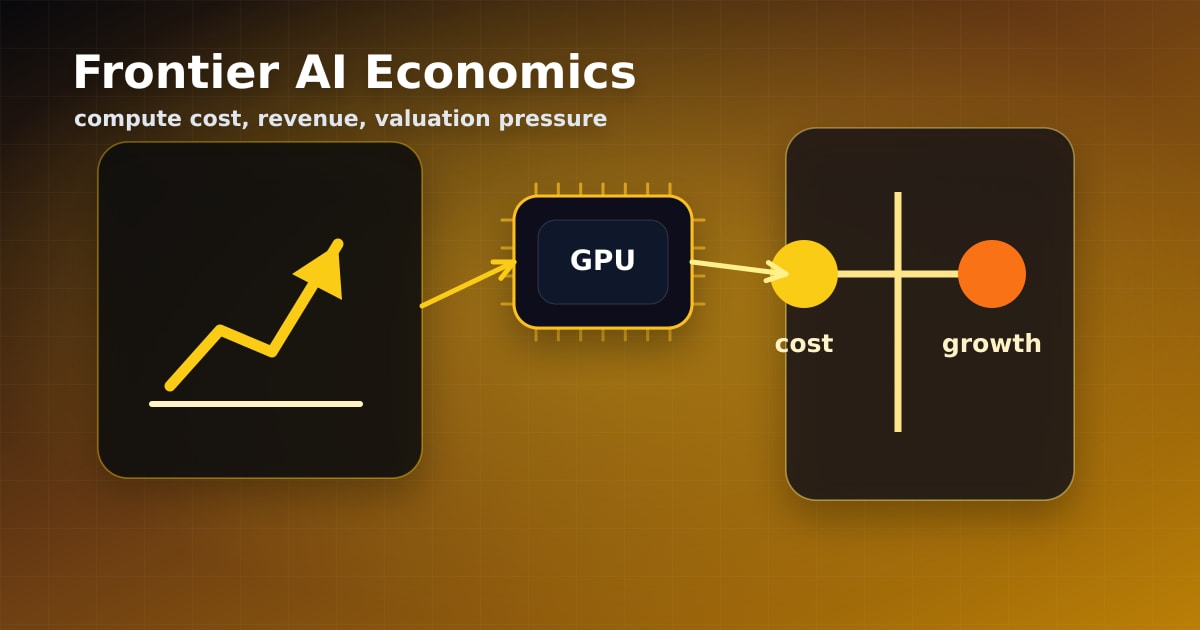
Anthropic's reported IPO path highlights compute demand, investor pressure, and the business model behind frontier AI.

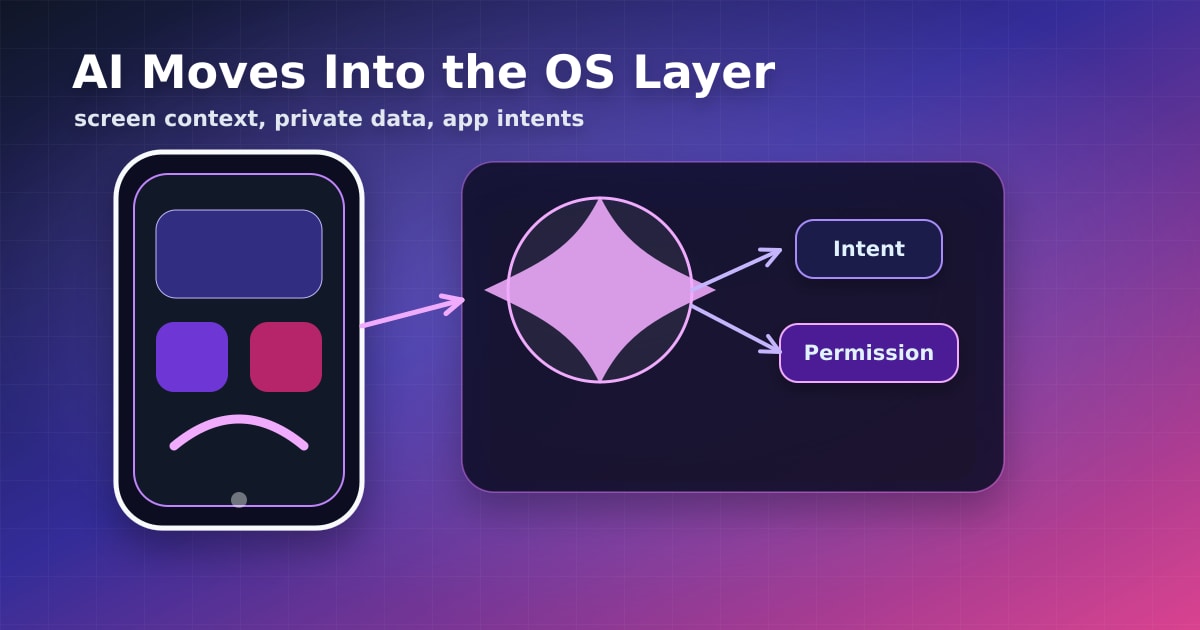
Apple's Gemini-backed Siri push shows why personal AI assistants are becoming operating-system infrastructure.

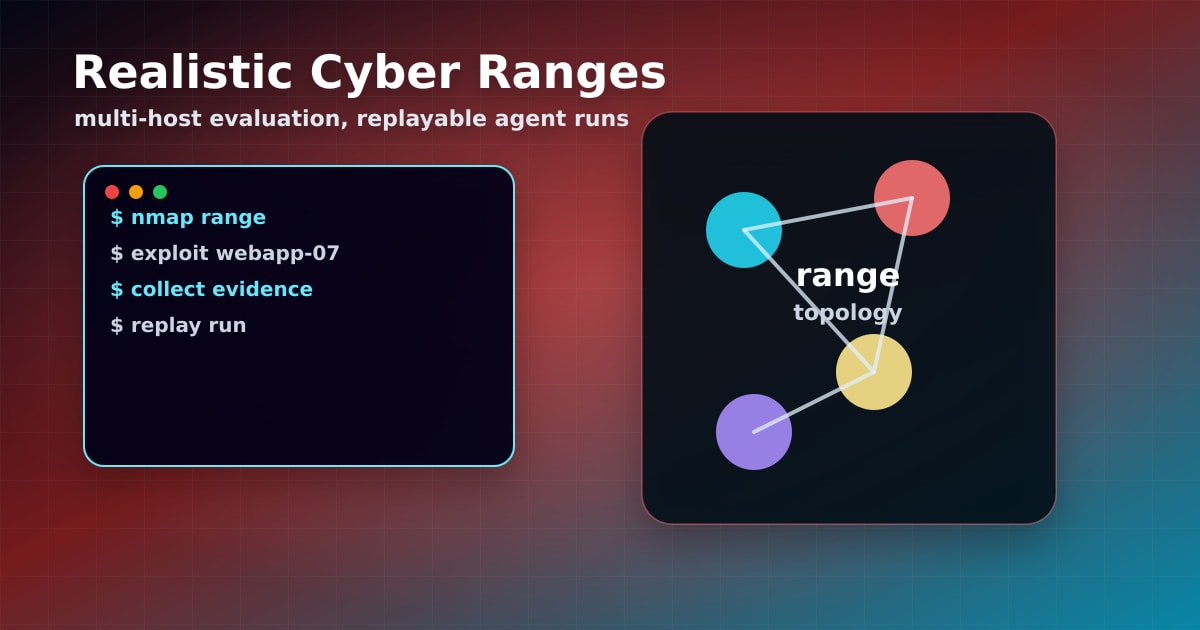
New cyber-range benchmarks show why AI security evaluation needs realistic multi-host attack and defense workflows.

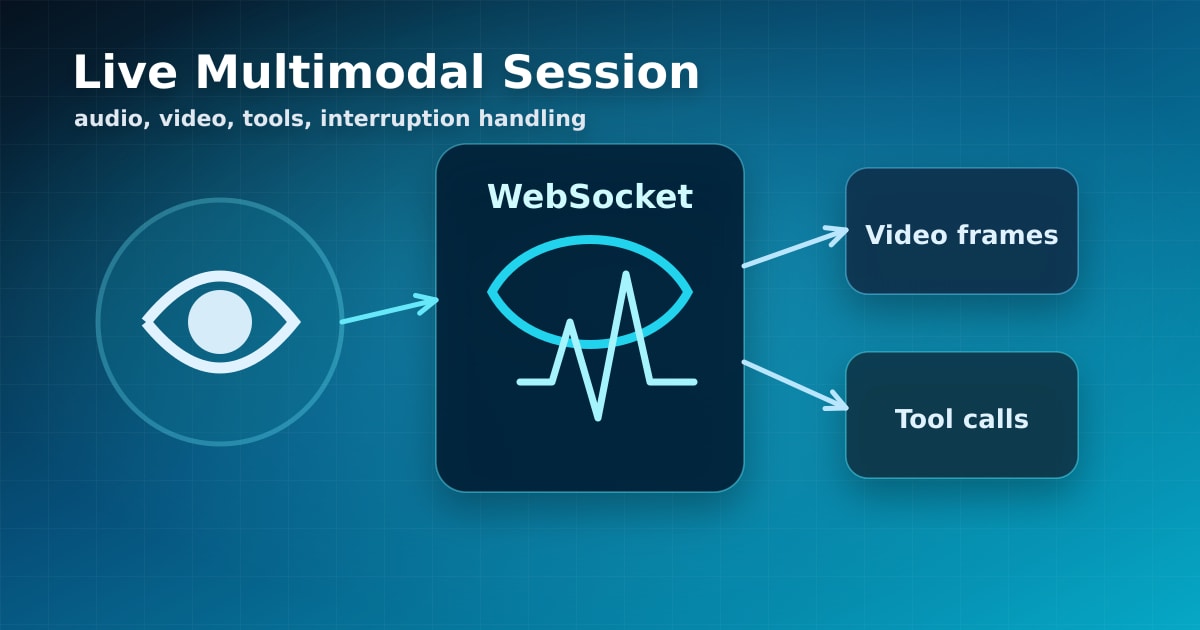
Gemini Live API gives developers a stateful WebSocket path for voice, video, tools, and low-latency AI agents.

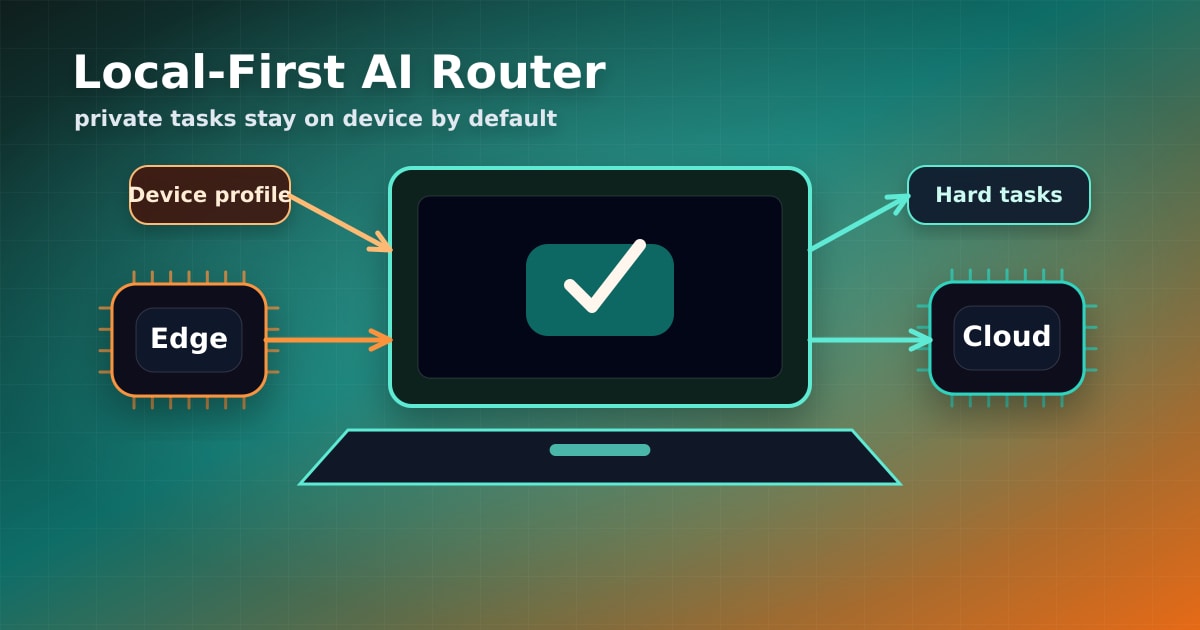
Gemma 4's open models, larger context, and device-friendly variants make private local AI workflows easier to ship.

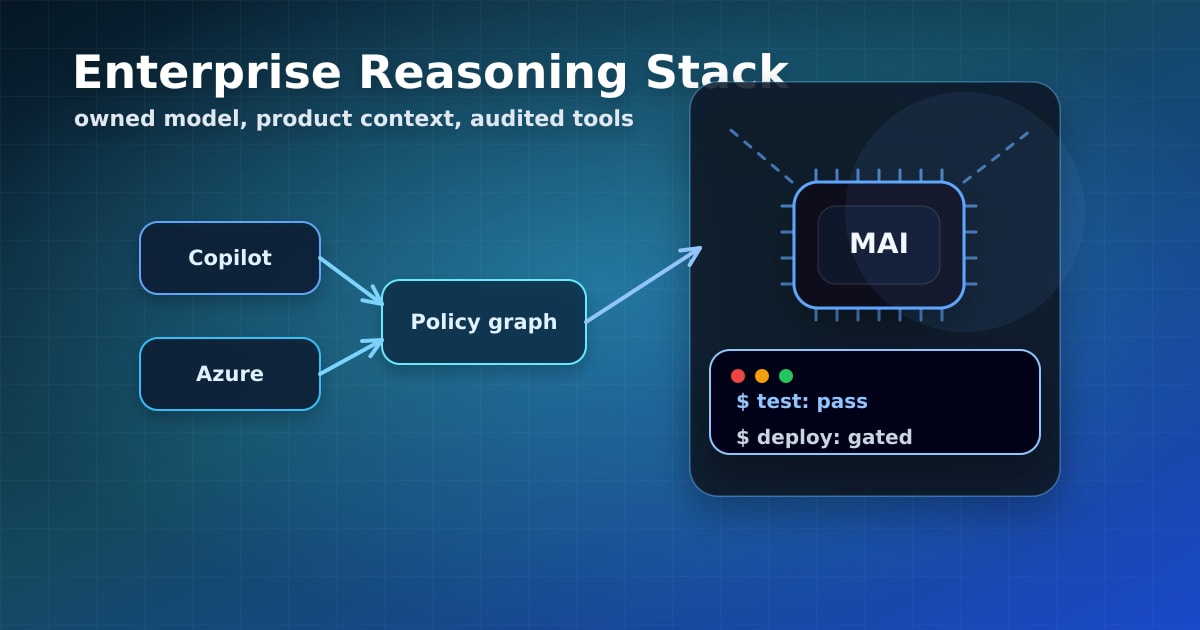
Microsoft's MAI-Thinking-1 shows why owned reasoning models matter for Copilot, Azure, and developer workflows.

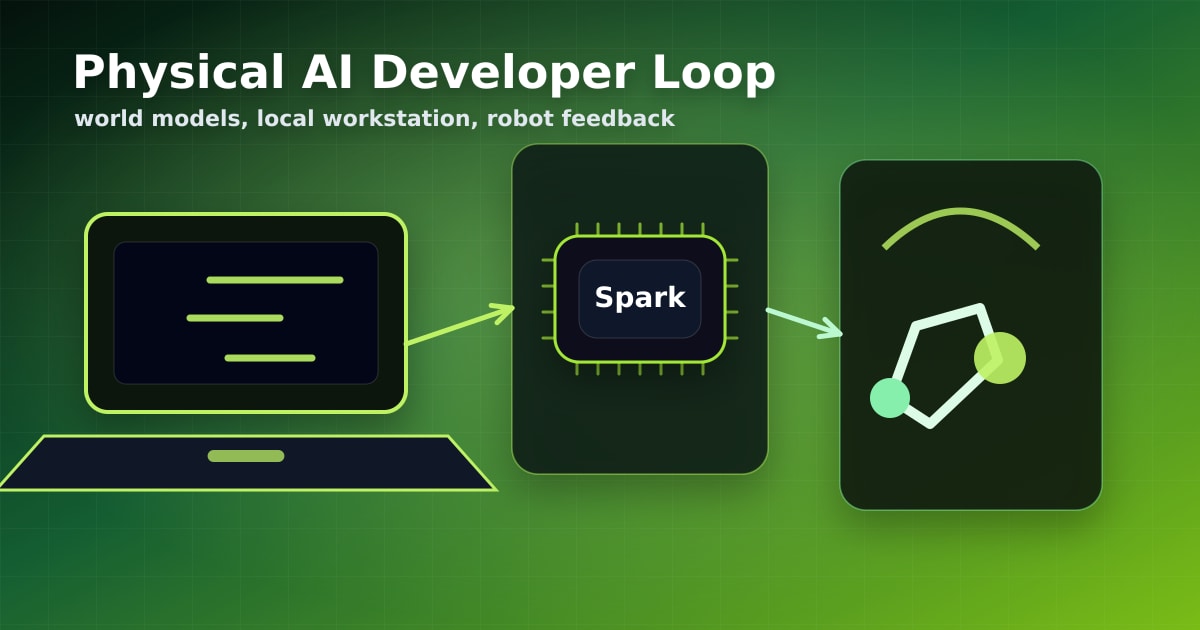
NVIDIA's Cosmos platform and DGX Spark workstation show how local AI hardware is reshaping robotics and simulation.

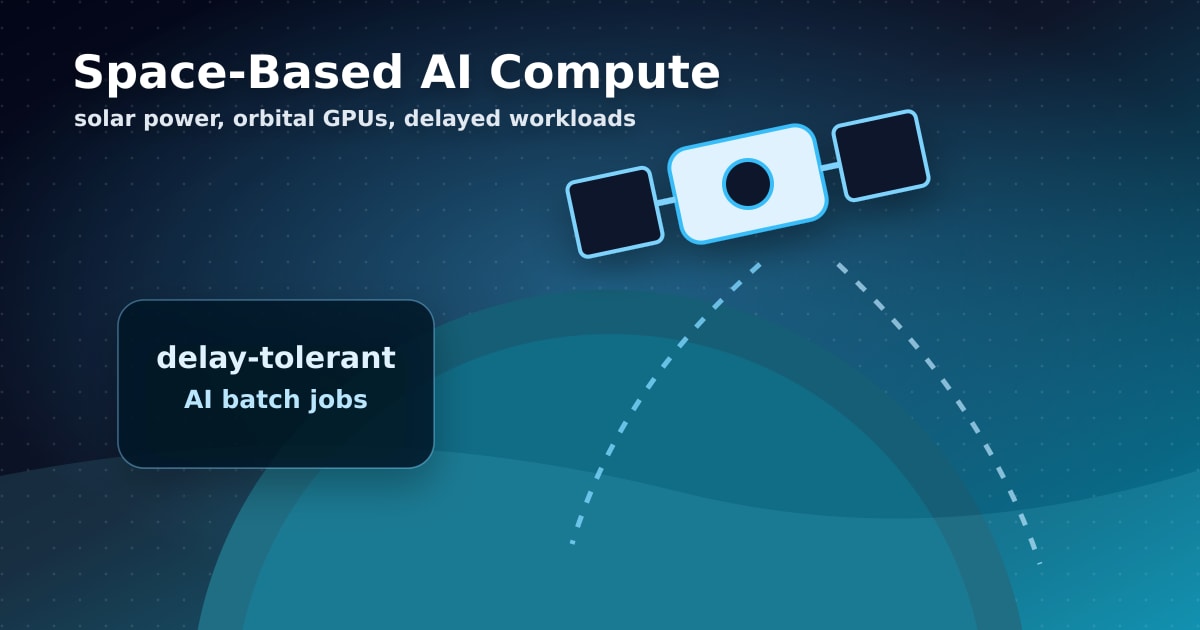
Starcloud's orbital compute plans show why power, cooling, launch cost, and latency are entering AI infrastructure debates.

How long-running agents manage context with session logs, compaction, and memory tools, and what developers can learn about state management.

AMD has begun ramping its 6th Gen EPYC 'Venice' CPUs on TSMC's 2nm process, strengthening the CPU side of AI data center infrastructure.

Learn about Claude Mythos, the highly restricted model built to hunt zero-days, and how to write secure-by-design applications.

How the parameter race is shifting to Cost-per-Task (CpT) optimization in production AI development.

How Meta's TRIBE v2 predicts average fMRI brain responses from video, audio, and text, and what developers can learn from multimodal systems.

What a reported OpenAI IPO path and its latest private valuation mean for tech markets, compute infrastructure, and software engineers.

Separating Anthropic's reported SpaceX/Colossus compute deal from the emerging but still experimental idea of space-based GPU clusters.

How autonomous AI agents are gaining computer-use capabilities, the cybersecurity risks involved, and how to sandbox agentic workflows.

An analysis of Pope Leo XIV's historic encyclical on artificial intelligence, human labor, and how engineers can build human-centric products.

Analyzing the stalled U.S. AI safety draft order, voluntary pre-release model testing, and what developers should do for compliance.

Discover how Andrej Karpathy's 'second brain' concept uses LLMs and Markdown files to create a persistent, intelligent personal knowledge base.

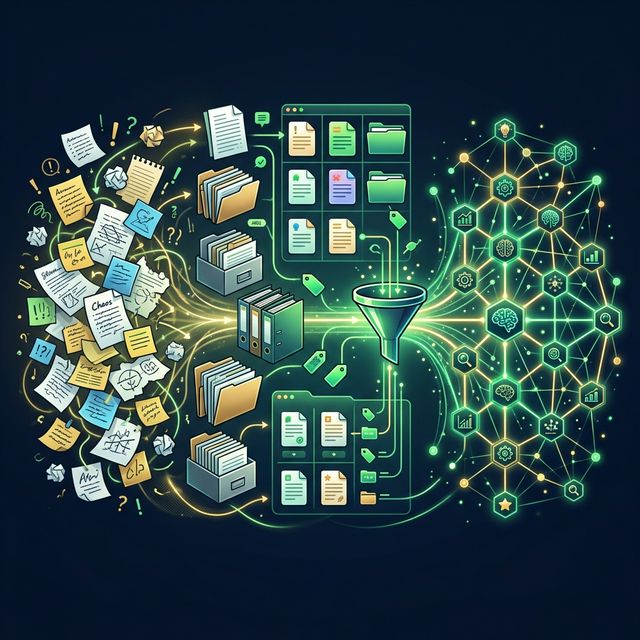
Discover how AI-powered note-taking transforms scattered ideas into an interconnected knowledge graph. Learn why BrainMap is the smartest way to capture and organize your thoughts.

Learn how to build a personal knowledge management system that actually works. From capture to connection — a practical guide using modern tools and AI.

An honest comparison of BrainMap, Notion, and Obsidian for personal knowledge management. Features, pricing, AI capabilities, and which tool fits your workflow.

Knowledge graphs power Google Search and enterprise AI. Learn what they are, how they work, and why building a personal knowledge graph transforms how you think.

Stop losing ideas in messy note apps. These 5 proven organization methods — from AI-powered graphs to the PARA method — will transform your note-taking workflow.

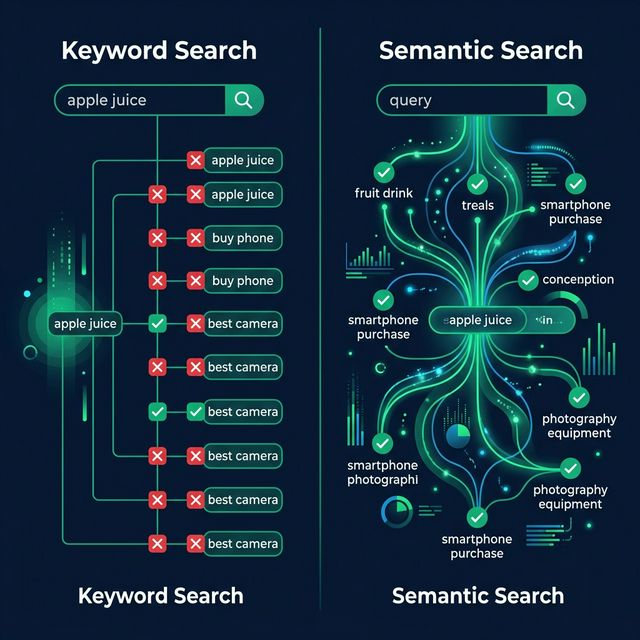
Full-text search finds words. Semantic search finds meaning. Learn the key difference and why it transforms how you find information in your personal knowledge base.