AI Note-Taking in 2026: How BrainMap Turns Notes into Knowledge
The way we take notes hasn't fundamentally changed in decades. Sure, we moved from paper to screens, but the core problem remains: notes go in, but insights rarely come out.
BrainMap changes that equation entirely.
The Problem with Traditional Note-Taking
Most note-taking apps are glorified text editors. You write something down, maybe organize it into a folder, and hope you'll find it later. But as your collection grows, so does the chaos:
- Notes pile up with no connections between them
- Search only works if you remember the exact words
- You forget what you wrote three months ago
- Related ideas live in separate silos
How AI Changes Everything
BrainMap introduces three AI-powered capabilities that transform notes from static text into a living knowledge system:
Automatic Classification
When you save a note, BrainMap's AI engine analyzes the content and automatically assigns:
- Topics: Broad categories like "Machine Learning" or "Product Design"
- Sub-topics: Specific areas like "RAG Pipelines" or "User Research"
- Tags: Granular labels like "python", "interview-notes", "startup-ideas"
No manual organizing required. Your notes are classified the moment you save them.
Semantic Search
Traditional search finds exact keyword matches. BrainMap's semantic search understands meaning:
- Search "ways to improve team productivity" → finds your note about "async communication best practices"
- Search "machine learning basics" → finds your note titled "Introduction to Neural Networks"
This is powered by vector embeddings — your notes are converted into mathematical representations of meaning, not just strings of text.
Knowledge Graph
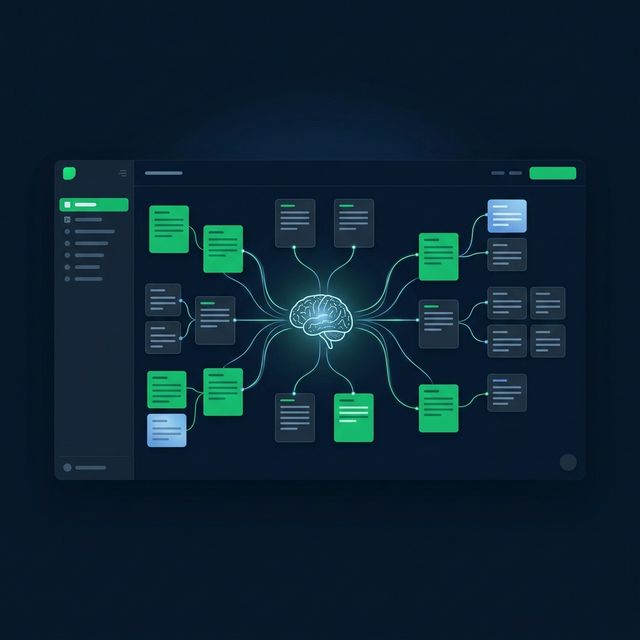
This is where the magic happens. BrainMap visualizes all your notes as an interactive knowledge graph:
- Notes become nodes, topics become clusters
- Related notes are connected by similarity edges
- You can zoom, filter, and click to explore
- Each note has a local graph showing its neighborhood
You discover connections you didn't know existed. That blog post about design principles? It connects to your notes on cognitive psychology and your product roadmap.
Getting Started with BrainMap
Getting started takes less than 60 seconds:
- Sign up at brainmap.cc — free, no credit card
- Capture your first note — paste text, write an idea, save a link
- Watch as AI automatically classifies and connects it
- Explore your knowledge graph as your collection grows
Why BrainMap Over Other Tools?
| Feature | BrainMap | Notion | Obsidian |
|---|---|---|---|
| AI Classification | ✅ Automatic | ❌ Manual | ❌ Manual |
| Semantic Search | ✅ Built-in | ❌ No | ⚠️ Plugin |
| Knowledge Graph | ✅ Interactive | ❌ No | ⚠️ Plugin |
| Setup Time | < 1 min | 30+ min | 1+ hour |
| Free Tier | ✅ 50 AI/mo | ✅ Limited | ✅ Local only |
The Future of Personal Knowledge
We believe the future of note-taking is intelligent — where your notes work for you, not the other way around. BrainMap is building that future today.
Ready to turn your notes into knowledge? Start for free.
Ready to organize your knowledge with AI?
BrainMap automatically classifies your notes, discovers connections, and builds your personal knowledge graph. Free to start — no credit card required.
Start for FreeRelated Articles
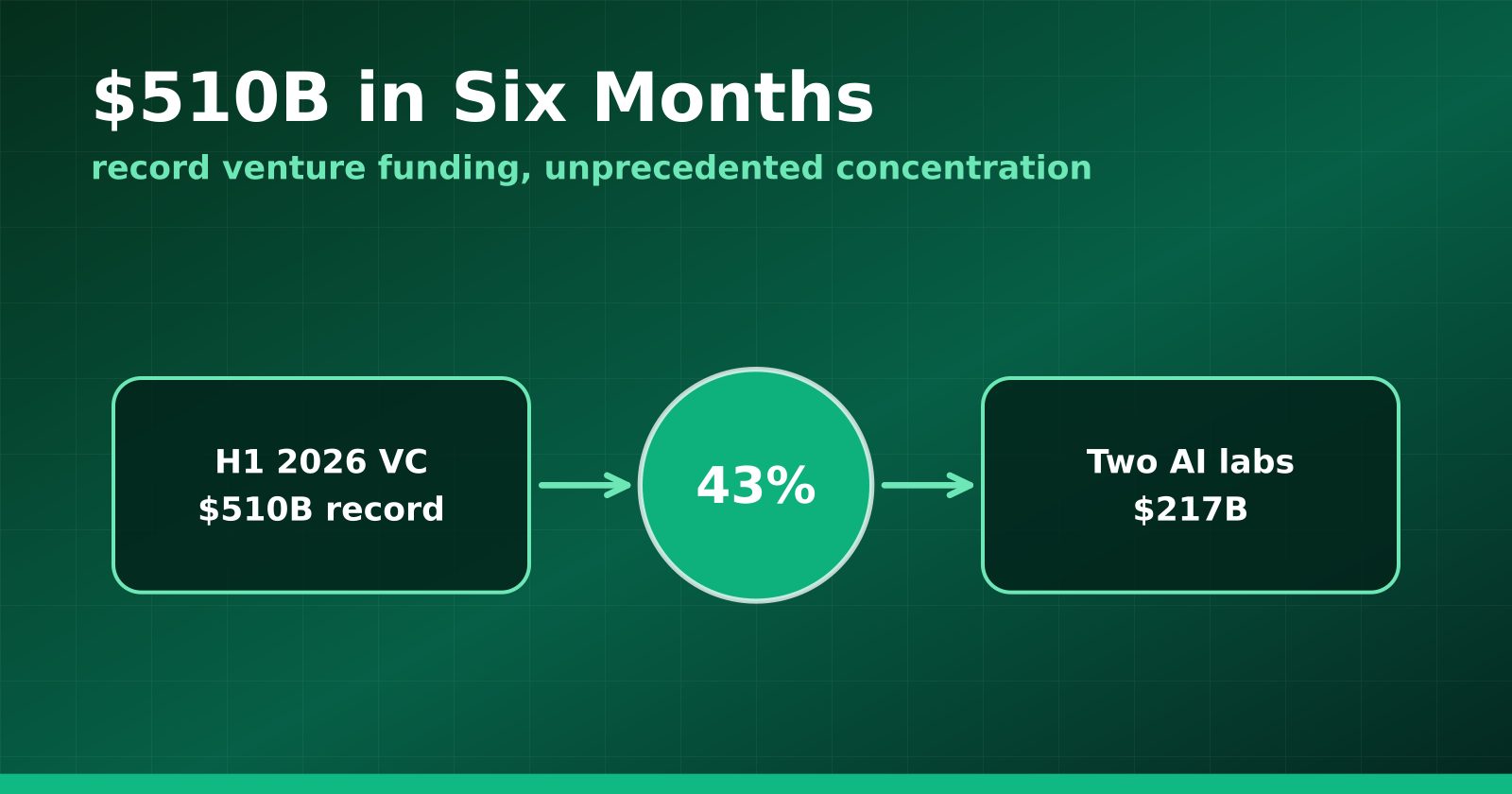
H1 2026 Venture Funding Hit a Record $510B — and Two AI Labs Took 43%
Crunchbase's half-year report shows global VC at an all-time high, with OpenAI and Anthropic alone absorbing $217 billion and AI claiming roughly two-thirds of all deployment.
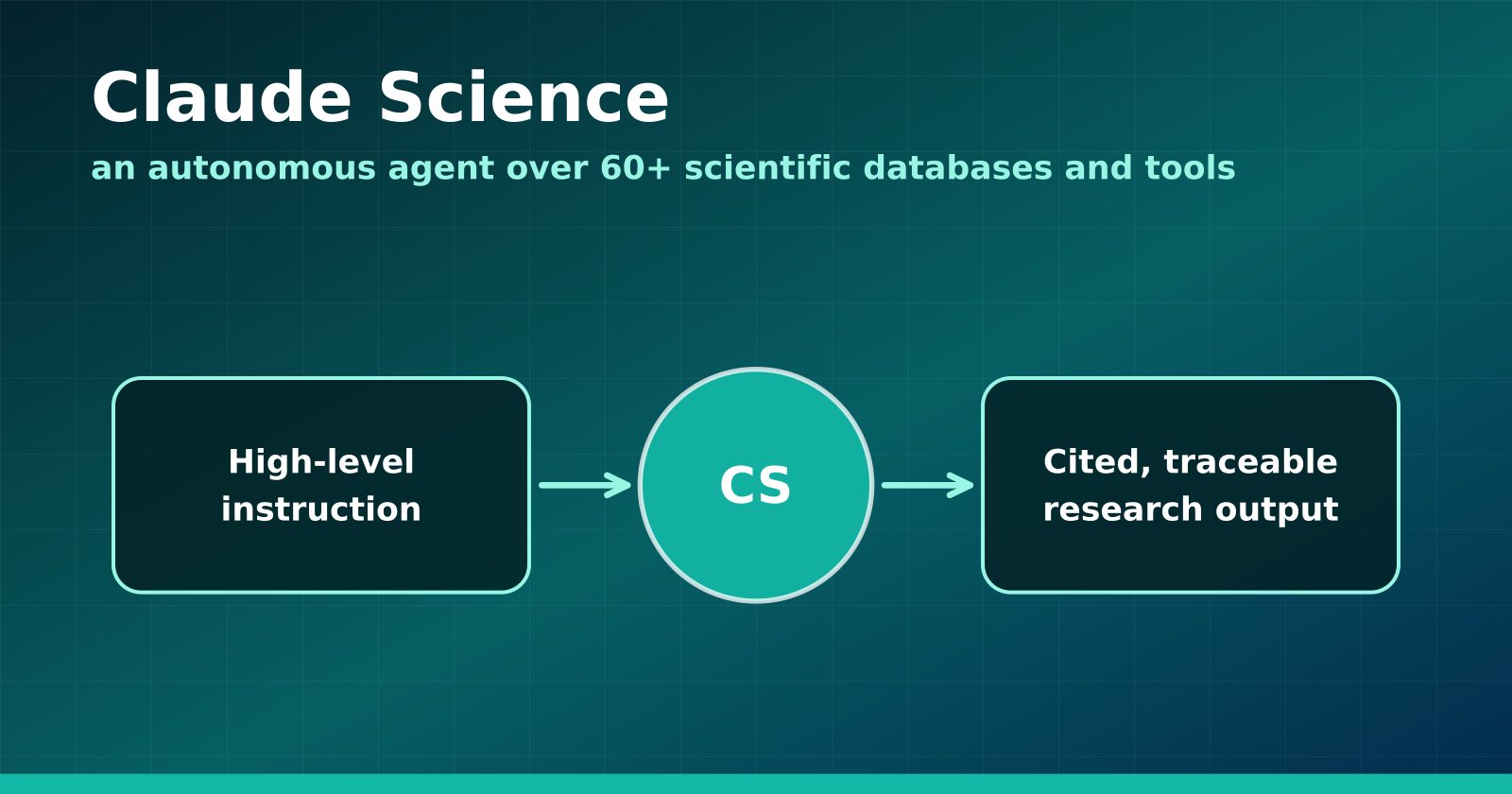
Claude Science Turns the Research Workbench Into an Agent Surface
Anthropic's new flagship product wires 60+ scientific databases and computation tools into an autonomous research agent — and Anthropic is using it to hunt drugs for neglected diseases.
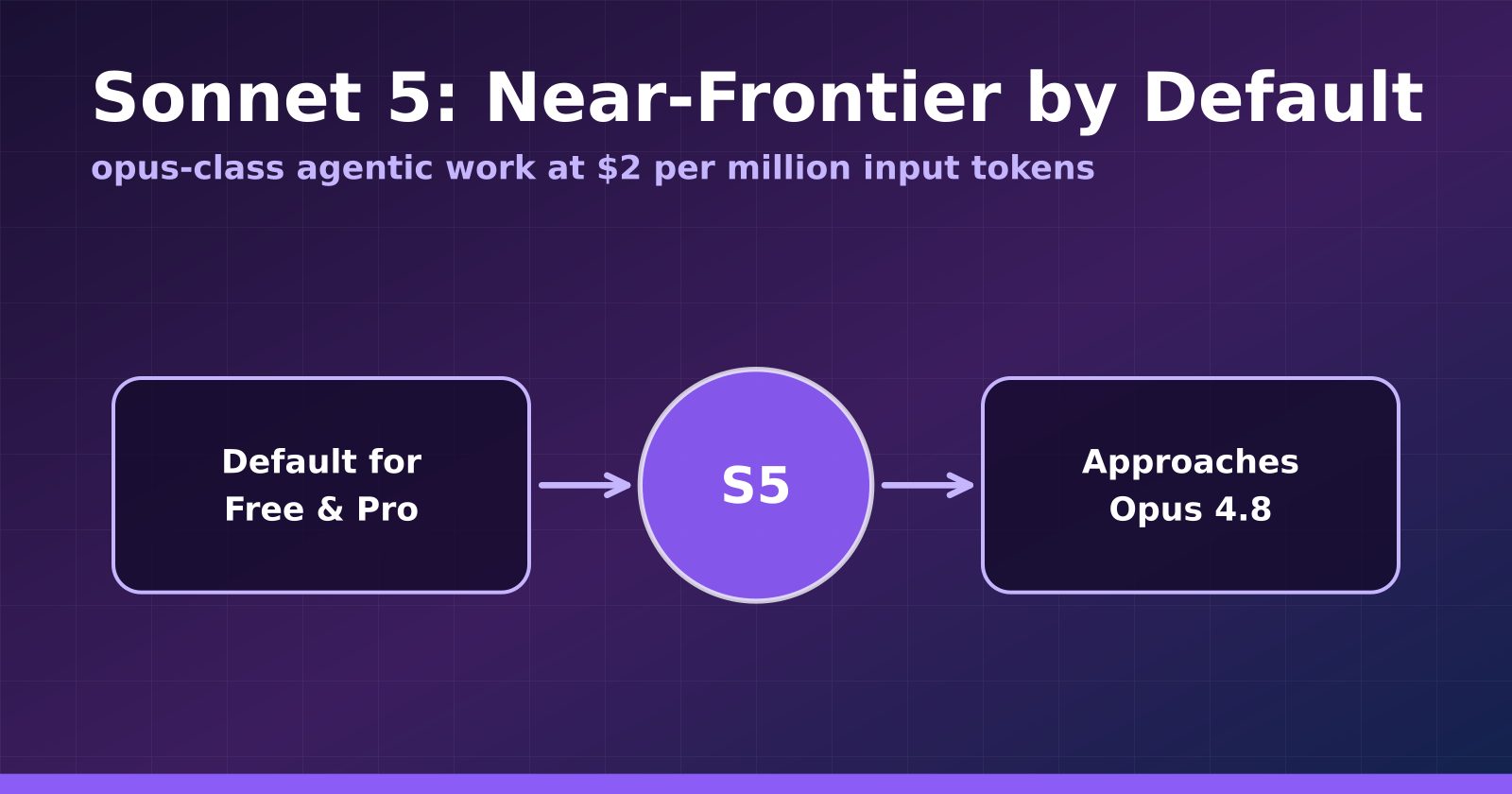
Claude Sonnet 5 Makes Near-Frontier Performance the Default Tier
Anthropic's Sonnet 5 launches at $2 per million input tokens, approaches Opus 4.8 on agentic benchmarks, and becomes the default for Free and Pro users.