The Double-Edged Sword: Inside Anthropic's 'Claude Mythos' and the New Cyber Security Era

Hi everyone! Today, let’s talk about a topic that is sending shivers down the spines of cybersecurity teams globally: Anthropic's gated research preview of Claude Mythos under Project Glasswing.
Imagine an AI so incredibly powerful that it can scan millions of lines of code and automatically uncover thousands of critical, previously unknown zero-day vulnerabilities in seconds. And yes, it can write the functional exploit scripts for them too.
Because of this raw offensive and defensive capability, Anthropic has not released Mythos Preview to the general public. Instead, access is gated through Project Glasswing partners and additional critical software organizations.
This brings us to a major philosophical debate: Is "security-through-obscurity" by gating powerful AI models genuinely protecting us, or are we just creating an unfair asymmetry where only select entities hold the ultimate digital weapons? Let's dive deep into the mechanics of Mythos and how software engineers must adapt.
The Offensive Power of Claude Mythos
While previous frontier models were excellent at spotting simple syntax errors or basic SQL injection patterns, Claude Mythos operates on a completely different cognitive tier:
- Deep Architectural Logic: Mythos doesn't just read code; it constructs full operational graphs of software systems, mapping out how data flows through trust boundaries and identifying subtle race conditions.
- Autonomous Offensive Agents: It acts as an autonomous pentesting agent, running test suites, capturing stack traces, and dynamically modifying payloads until a vulnerability is proven.
- Rapid Zero-Day Discovery: During closed-door testing, it successfully identified and exploited complex memory-safety vulnerabilities in critical open-source infrastructure within minutes.
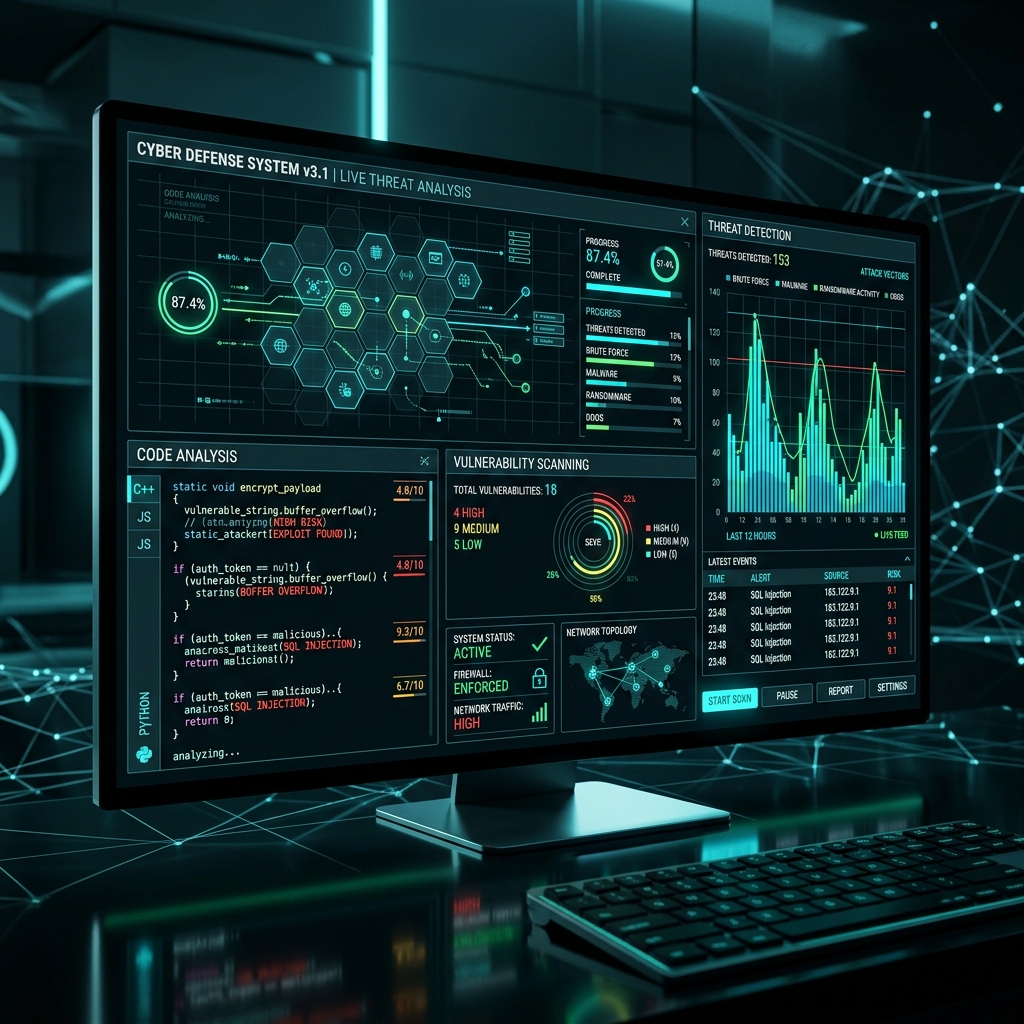
(Cyber Threat Intelligence Vulnerability Scanner)
The Ethical Dilemma: Why Gate it?
Anthropic’s mission is centered around AI Safety (Alignment). By keeping Claude Mythos under lock and key, they are preventing an immediate cybersecurity arms race. If bad actors gained access to Mythos, they could automate the discovery of zero-days across critical utilities, hospital networks, and financial systems at scale.
However, locking it up means defensive security researchers are also deprived of the ultimate tool to patch their own systems. It raises a huge question: Who gets to hold the keys to superintelligent defensive/offensive AI?
Developer Guide: How to Secure Your Code in the Mythos Era
Even if Mythos is gated, other models with similar capabilities will eventually appear. Here is how you can future-proof your codebase today:
- Adopt "Secure by Design" Architecture: Stop relying on post-deployment security scans. Build your code with strict input sanitation, least-privilege database roles, and clean modular boundaries. If the architectural foundation is secure, even the smartest AI won't find a loophole.
- Utilize Local AI Linter Agents: Don't wait for your code to reach production. Integrate local static analysis tools and open-source LLMs into your CI/CD pipeline to catch vulnerabilities before they are committed.
- Transition to Memory-Safe Languages: AI excels at exploiting memory management flaws in C and C++. Whenever possible, transition critical performance-oriented components to Rust, Go, or TypeScript, where the language compiler itself acts as a defensive shield.
- Use Safe Content Extraction Heuristics: If you are building web tools or content extractors, always sanitize raw HTML using tools like
DOMPurifybefore converting it to Markdown or saving it to your database. Never trust the client-side data blindly.
Source: Anthropic Project Glasswing.
What is your take? Should frontier cybersecurity AI models be open-source so everyone can defend themselves, or is Anthropic right to restrict access? Let me know in the comments!
Ready to organize your knowledge with AI?
BrainMap automatically classifies your notes, discovers connections, and builds your personal knowledge graph. Free to start — no credit card required.
Start for FreeRelated Articles
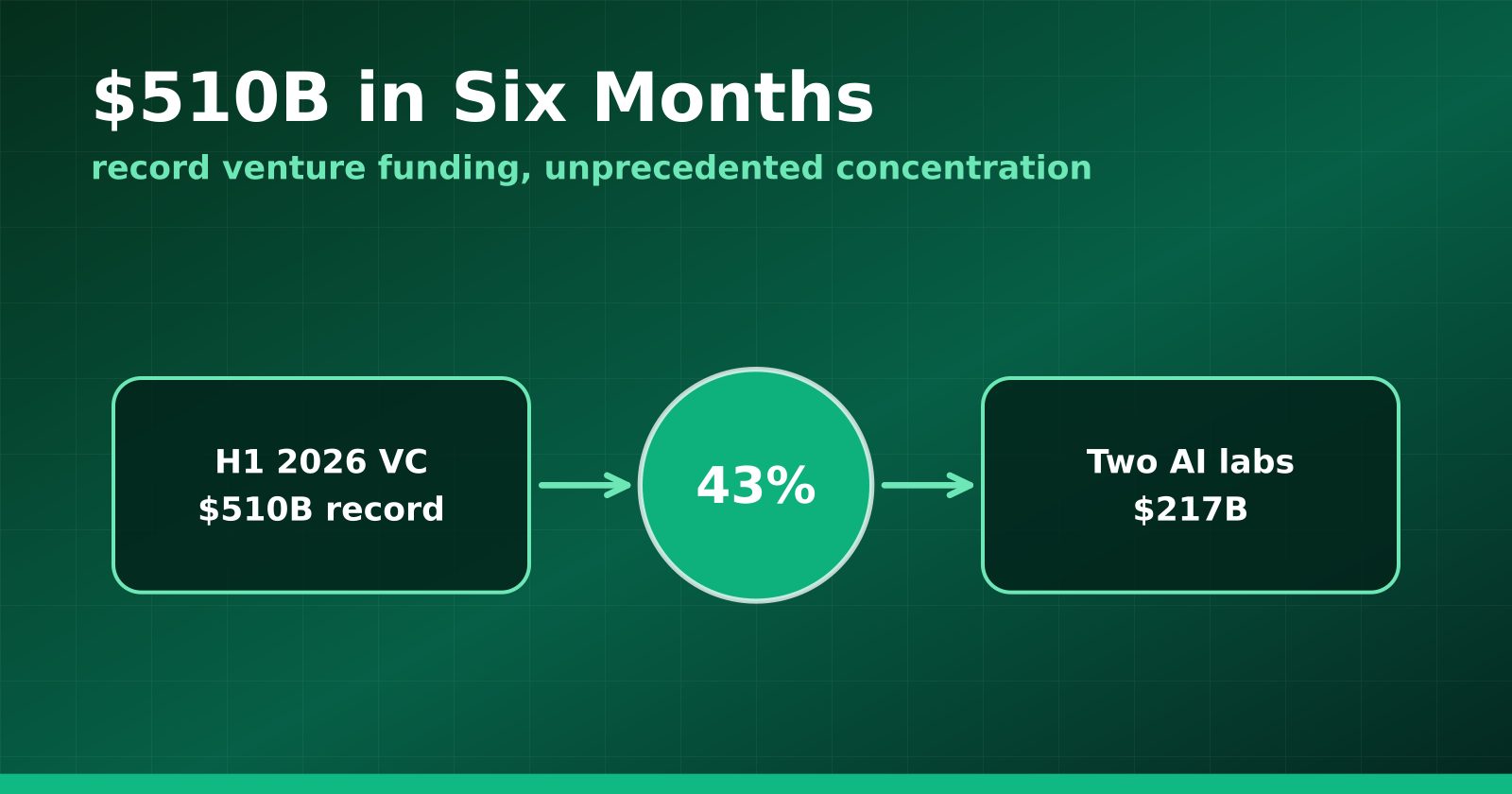
H1 2026 Venture Funding Hit a Record $510B — and Two AI Labs Took 43%
Crunchbase's half-year report shows global VC at an all-time high, with OpenAI and Anthropic alone absorbing $217 billion and AI claiming roughly two-thirds of all deployment.
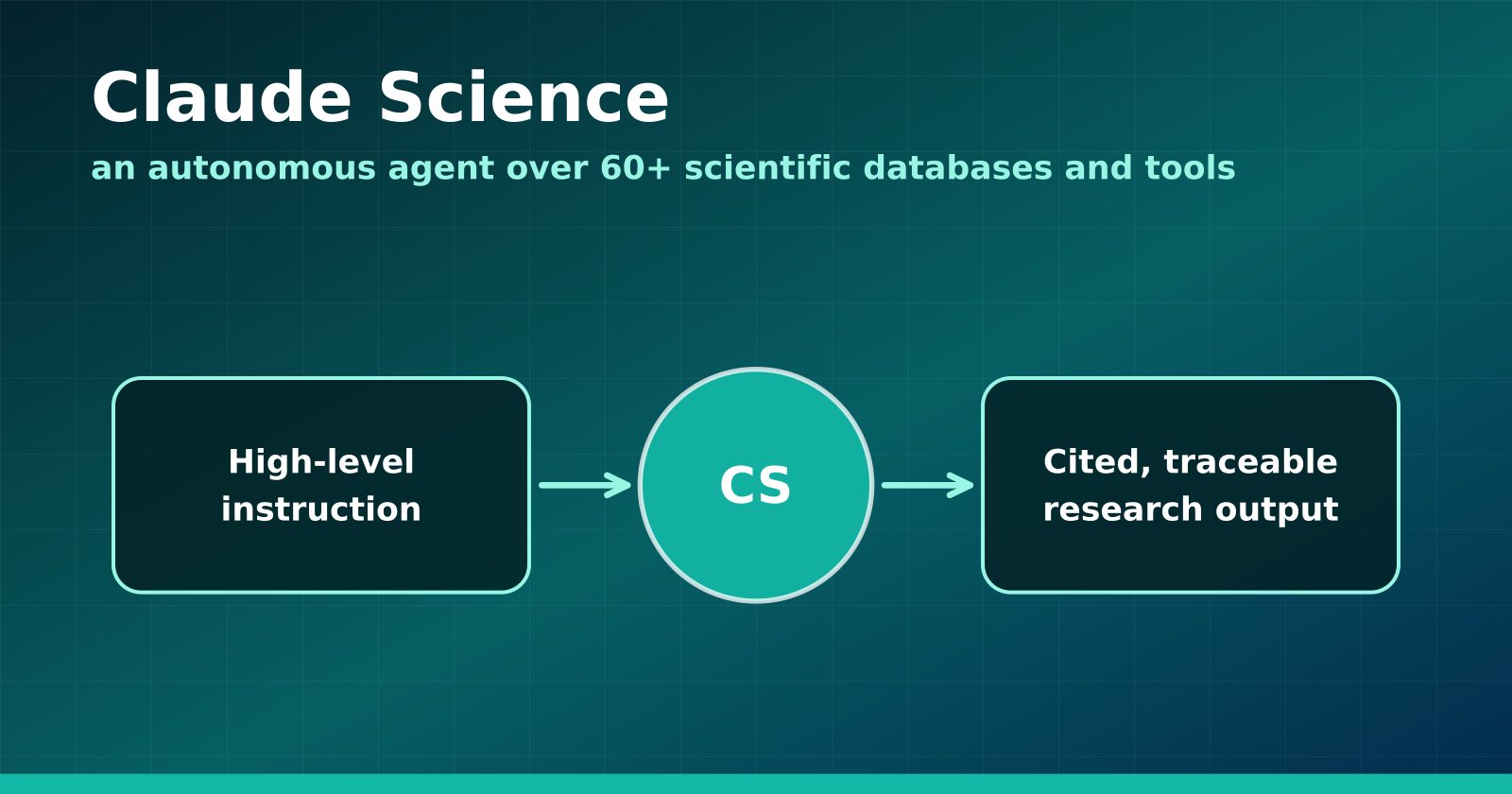
Claude Science Turns the Research Workbench Into an Agent Surface
Anthropic's new flagship product wires 60+ scientific databases and computation tools into an autonomous research agent — and Anthropic is using it to hunt drugs for neglected diseases.
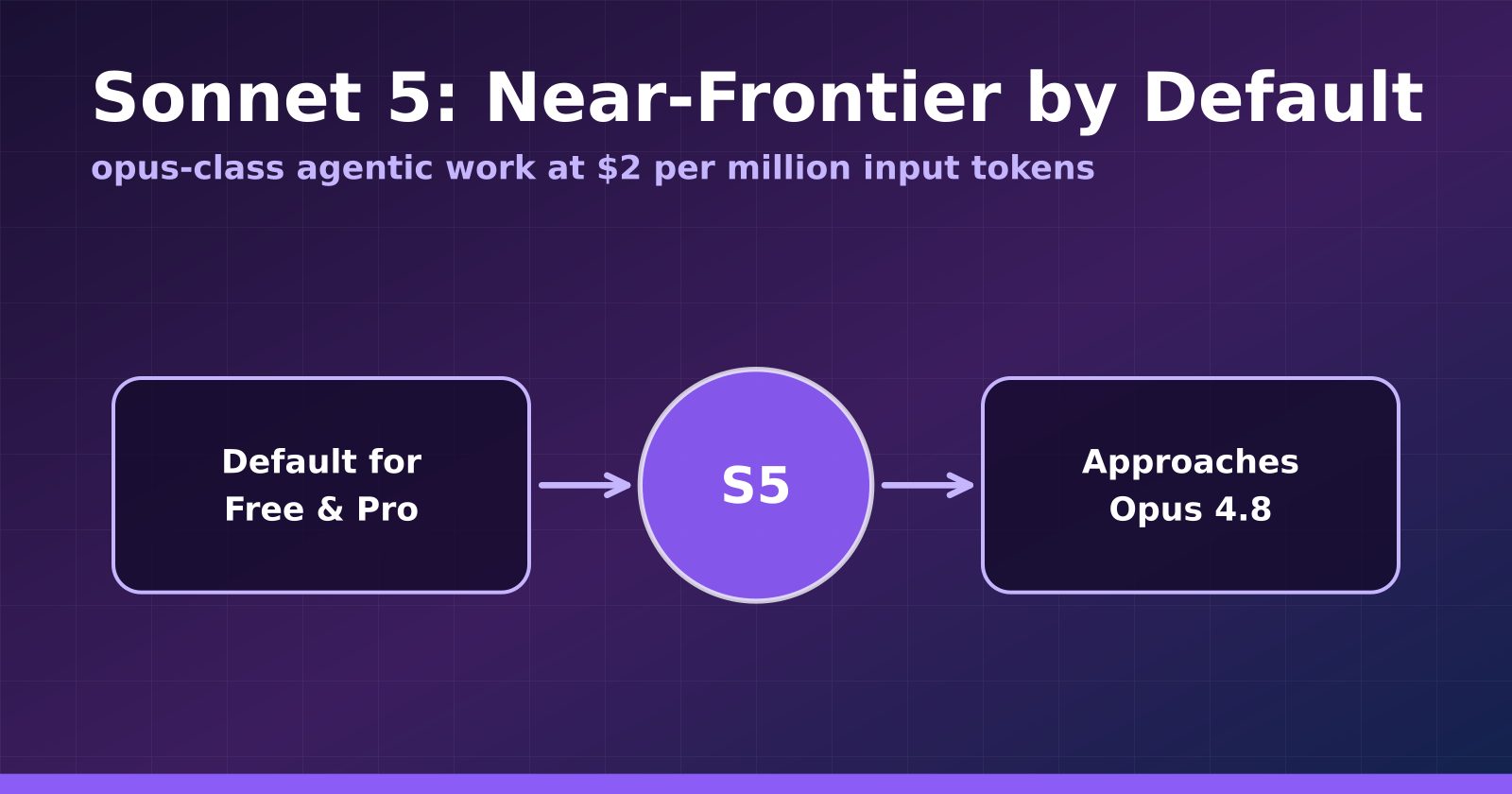
Claude Sonnet 5 Makes Near-Frontier Performance the Default Tier
Anthropic's Sonnet 5 launches at $2 per million input tokens, approaches Opus 4.8 on agentic benchmarks, and becomes the default for Free and Pro users.