Meta Compute: Meta Starts Selling the AI Infrastructure It Overbuilt
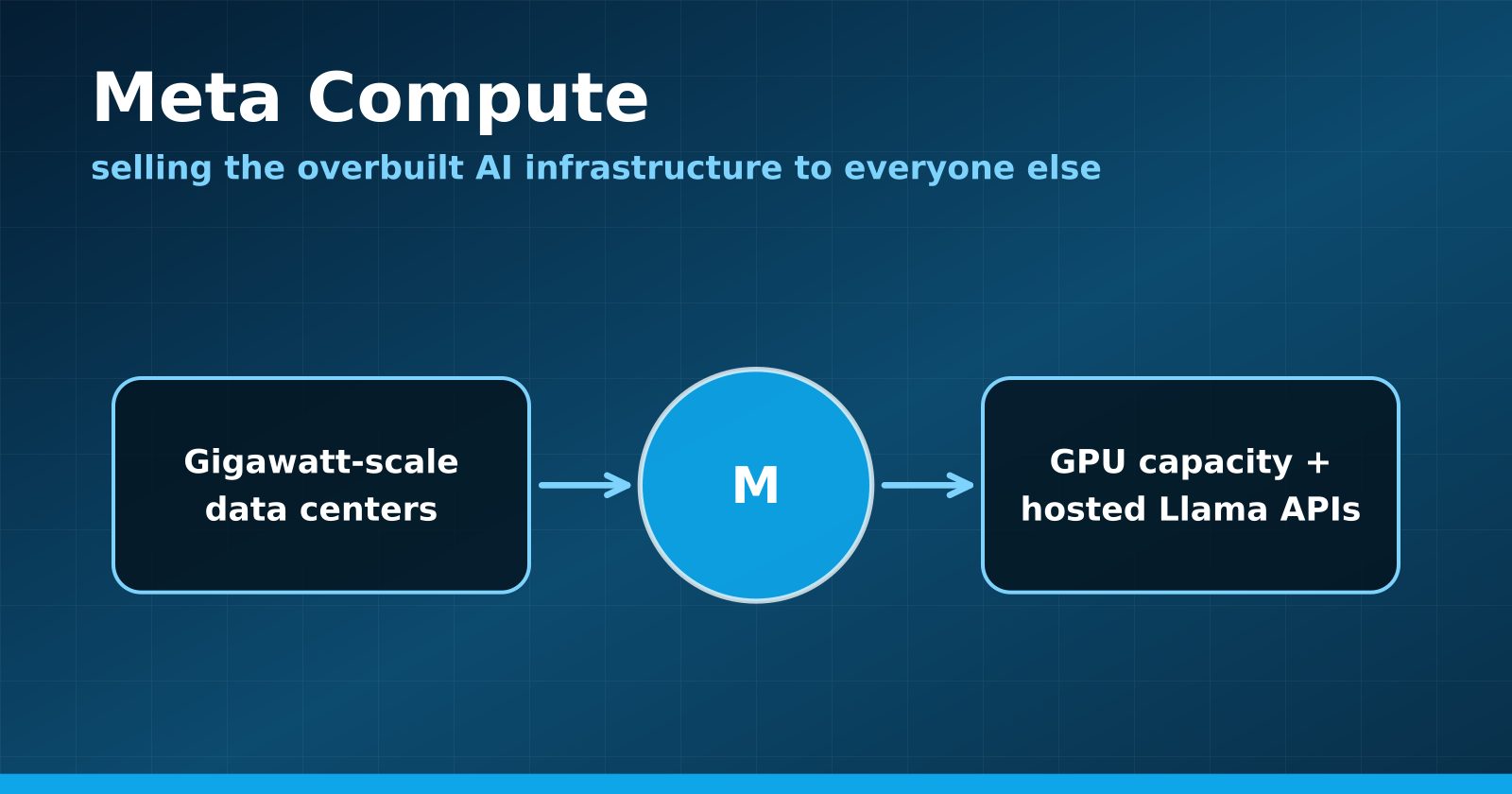
On July 1, Bloomberg reported that Meta is building Meta Compute, a cloud business that sells the company's excess AI infrastructure to outside customers. The offering bundles two things: raw GPU capacity (bare-metal and virtualized instances on NVIDIA's latest chips alongside Meta's custom silicon) and hosted model APIs for running Llama models in a managed environment. Markets reacted instantly — Meta shares climbed roughly 8% past $600 for the first time, while CoreWeave and Nebius, which had signed multi-billion-dollar contracts to supply Meta with compute, cratered.
From Cost Center to Product
Meta has spent two years overbuilding: its Hyperion facility in Louisiana is specced at 1.5 gigawatts by late 2027, scaling toward 5 gigawatts and over 1.3 million GPUs by 2030, and the company just expanded its NVIDIA partnership into a multi-year, multi-gigawatt chip deal. Meta Compute converts that capacity from balance-sheet risk into revenue — and puts Meta in direct competition with AWS, Azure, and Google Cloud.
The timing is not subtle. At Meta's July 2 town hall, Mark Zuckerberg admitted the company's AI agent products had stalled for months, while AI chief Alexandr Wang claimed the unreleased Watermelon model has caught GPT-5.5 on internal evaluations, reportedly trained with an order of magnitude more compute (~1 million GPU-equivalents). Whether or not Watermelon lands, the infrastructure now pays for itself either way. That is the hedge.
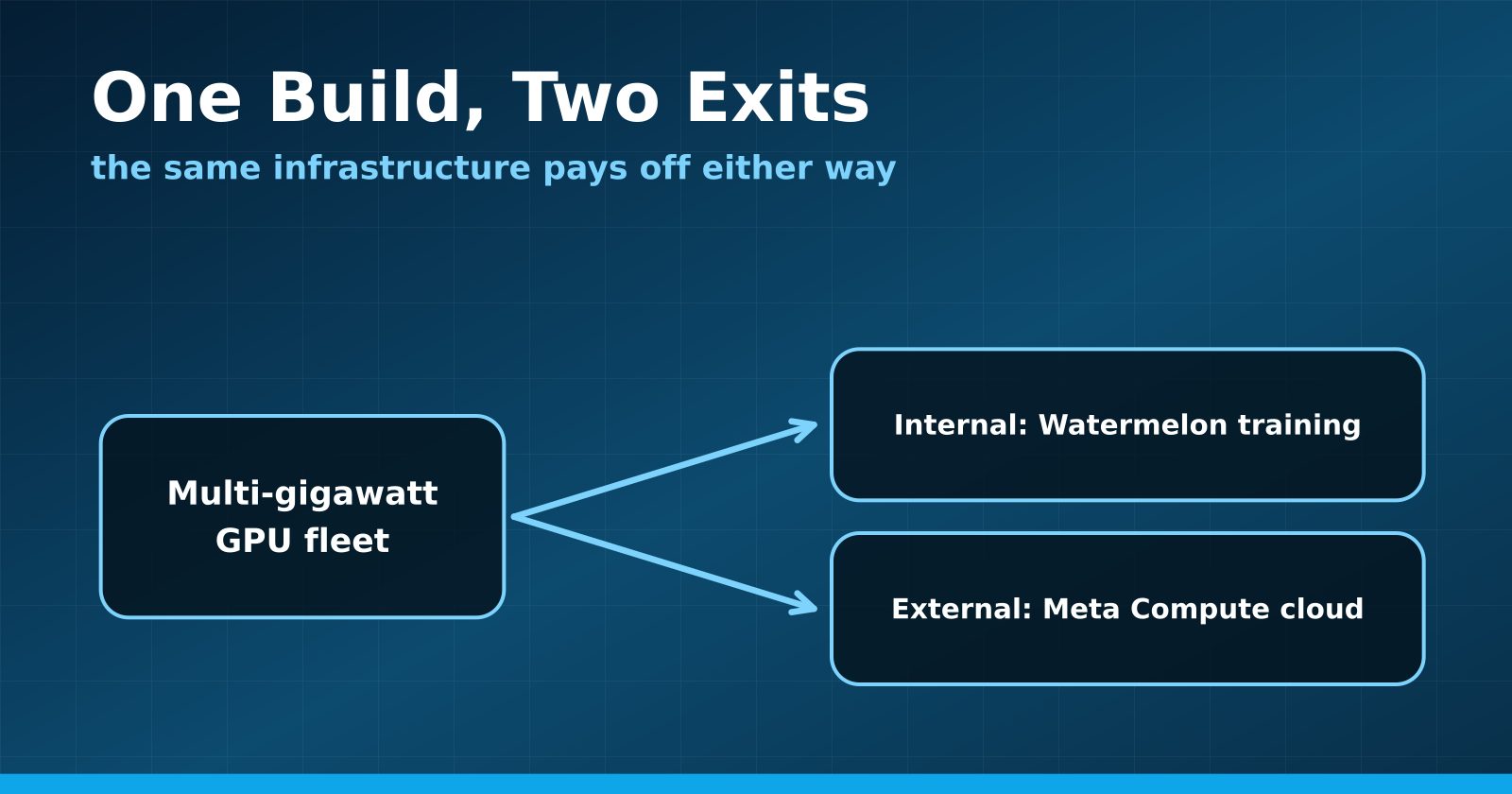
Caption: One infrastructure investment, two exits — frontier training runs internally, spare capacity sold externally.
What Changes for Buyers of Compute
A fourth hyperscaler entering the GPU market matters most for mid-size AI teams. Meta needs anchor customers, which historically means aggressive introductory pricing. And the hosted-Llama tier undercuts a common assumption — that open-weights models are something you must operate yourself. You will increasingly rent open models the way you rent proprietary ones, with the weights' openness serving as an exit option rather than an operational requirement.
The CoreWeave and Nebius selloff carries its own warning: if your GPU provider's biggest customer can become its competitor overnight, concentration risk runs in both directions of the supply chain.
Engineering Tip: Price Compute in Your Own Units
GPU-hour prices are not comparable across providers — interconnect, storage bandwidth, and scheduler overhead can swing effective throughput by 2x. Before any capacity commitment, benchmark your actual workload and derive a single number: cost per training step, or cost per million tokens served. Keep the harness portable (containerized, one config per provider) so when Meta Compute or the next entrant shows up with launch pricing, you can produce a real comparison in a day instead of a quarter — and negotiate with numbers instead of list prices.
Sources: Bloomberg, Tom's Hardware, Data Center Dynamics, NVIDIA Newsroom.
What do you think? Would you run production workloads on a cloud whose primary purpose is absorbing someone else's overcapacity?
Ready to organize your knowledge with AI?
BrainMap automatically classifies your notes, discovers connections, and builds your personal knowledge graph. Free to start — no credit card required.
Start for FreeRelated Articles
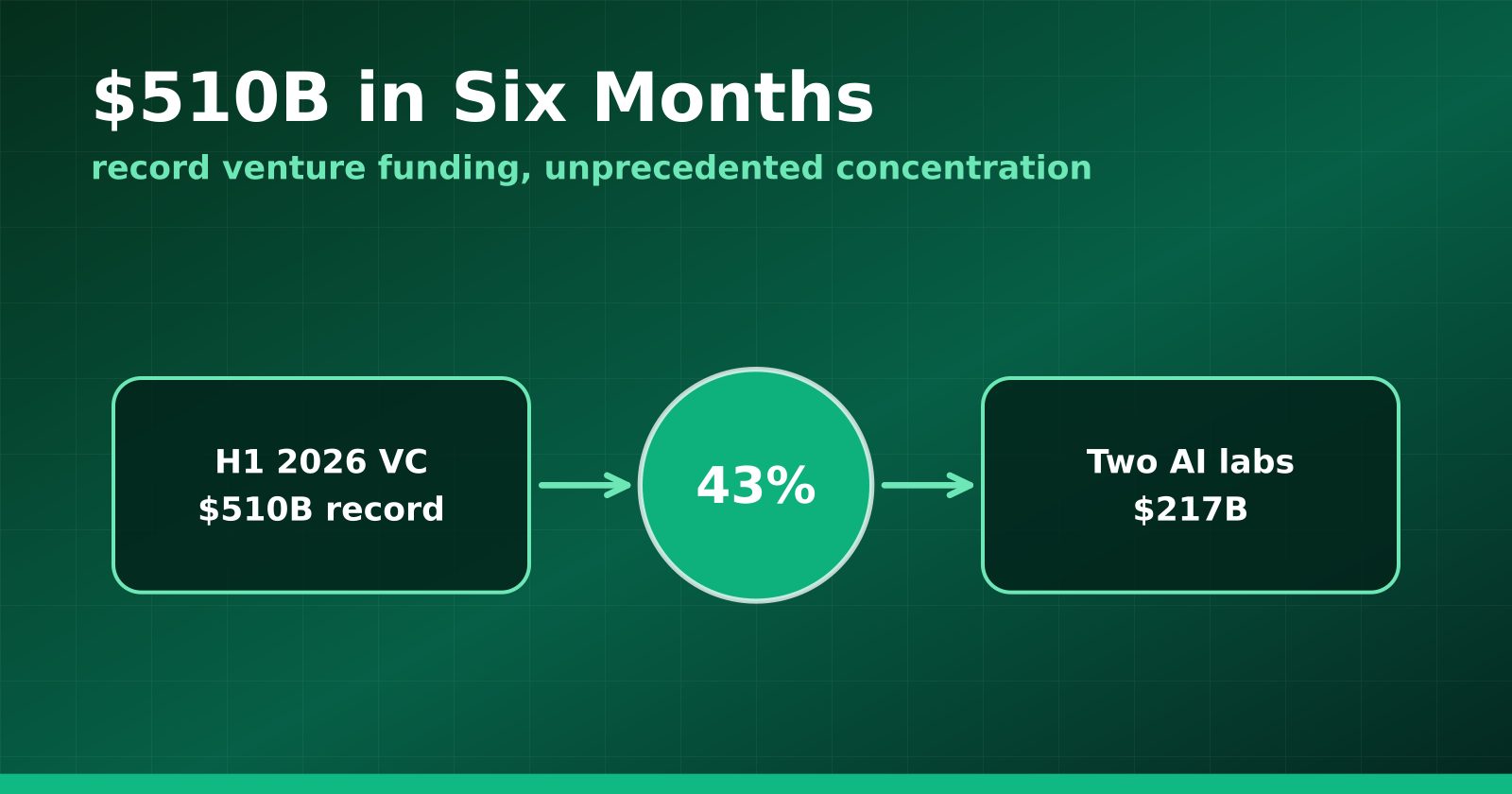
H1 2026 Venture Funding Hit a Record $510B — and Two AI Labs Took 43%
Crunchbase's half-year report shows global VC at an all-time high, with OpenAI and Anthropic alone absorbing $217 billion and AI claiming roughly two-thirds of all deployment.
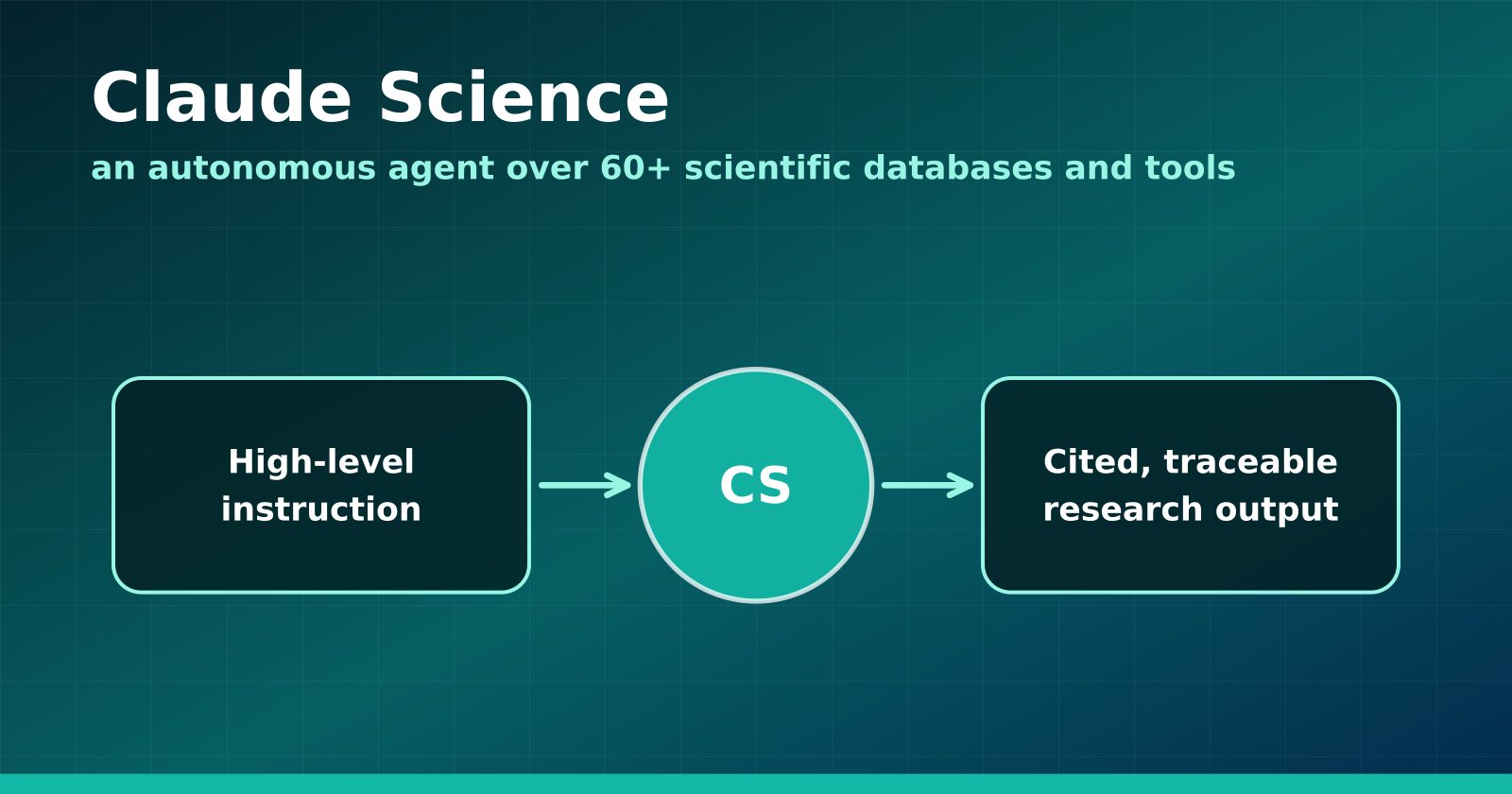
Claude Science Turns the Research Workbench Into an Agent Surface
Anthropic's new flagship product wires 60+ scientific databases and computation tools into an autonomous research agent — and Anthropic is using it to hunt drugs for neglected diseases.
Claude Sonnet 5 Makes Near-Frontier Performance the Default Tier
Anthropic's Sonnet 5 launches at $2 per million input tokens, approaches Opus 4.8 on agentic benchmarks, and becomes the default for Free and Pro users.