5 Note Organization Methods That Actually Work in 2026

You have hundreds of notes scattered across apps, folders, and browser tabs. Sound familiar? The problem isn't that you don't take enough notes — it's that you can't find or connect them when it matters.
Here are five organization methods that actually work, ranked from simplest to most powerful.
Method 1: The Daily Log
The simplest approach: one note per day, everything goes in.
How it works:
- Create a new note each day (or week)
- Dump everything in: ideas, tasks, observations, links
- Use headings to separate sections
- Search when you need to find something
Best for: People who hate organizing and just want to capture quickly.
Limitation: Doesn't scale. After 6 months, daily logs become unsearchable noise.
Method 2: The PARA Method
Created by Tiago Forte, PARA stands for Projects, Areas, Resources, Archives.
How it works:
- Projects: Active work with a deadline (e.g., "Launch blog")
- Areas: Ongoing responsibilities (e.g., "Health", "Finance")
- Resources: Reference material for future use (e.g., "Design Inspiration")
- Archives: Completed or inactive items
Best for: People who like clear structure and work on multiple projects.
Limitation: Requires discipline. You must regularly move items between categories. Many people create the structure but never maintain it.
Method 3: Tag-Based Organization
Instead of folders, use tags to categorize notes with multiple labels.
How it works:
- Tag each note with relevant keywords
- A single note can have multiple tags
- Filter by tag to find related notes
- Combine tags for specific searches
Best for: People who think in categories but hate rigid hierarchies.
Limitation: Tag sprawl. Without discipline, you'll end up with hundreds of similar tags ("productivity", "productive", "being-productive") that fragment your system.
Method 4: Zettelkasten (Slip Box)
A 400-year-old method made famous by sociologist Niklas Luhmann, who used it to write 70+ books.
How it works:
- Write atomic notes (one idea per note)
- Link related notes to each other manually
- Use a unique ID system for references
- Create "index notes" that serve as entry points
Best for: Researchers, writers, and deep thinkers building long-term knowledge.
Limitation: High maintenance. Every note requires manual linking and deliberate placement. Most people abandon it within months.
Method 5: AI-Powered Knowledge Graphs
The newest approach: let AI handle organization entirely.
How it works:
- Write notes naturally — no special format required
- AI automatically classifies with topics, sub-topics, and tags
- Semantic search finds notes by meaning, not just keywords
- A knowledge graph visualizes all connections
Best for: Everyone. Seriously. This removes the biggest friction point (manual organizing) while providing the deepest level of connection discovery.
This is what BrainMap does. You get the connection-discovery benefits of Zettelkasten without the maintenance overhead.
Which Method Should You Use?
| Method | Setup | Maintenance | Discovery | Scale |
|---|---|---|---|---|
| Daily Log | None | None | Poor | Poor |
| PARA | Medium | High | OK | Good |
| Tags | Low | Medium | OK | Medium |
| Zettelkasten | High | Very High | Great | Great |
| AI Knowledge Graph | None | None | Excellent | Excellent |
The best method is the one you'll actually stick with. If you want maximum insight with minimum effort, AI-powered organization is the clear winner.
Try AI-powered note organization — free, no setup required.
Ready to organize your knowledge with AI?
BrainMap automatically classifies your notes, discovers connections, and builds your personal knowledge graph. Free to start — no credit card required.
Start for FreeRelated Articles
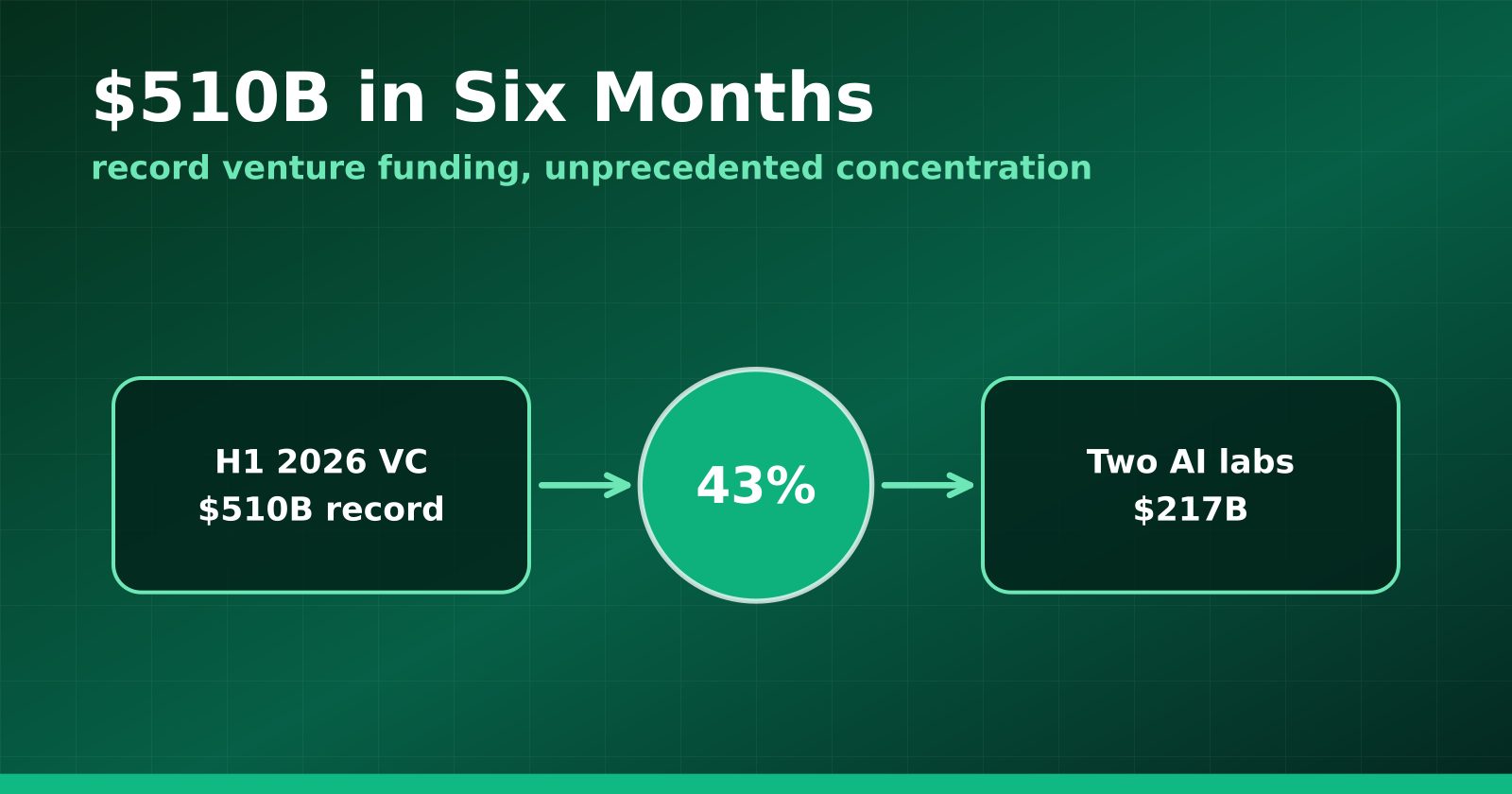
H1 2026 Venture Funding Hit a Record $510B — and Two AI Labs Took 43%
Crunchbase's half-year report shows global VC at an all-time high, with OpenAI and Anthropic alone absorbing $217 billion and AI claiming roughly two-thirds of all deployment.
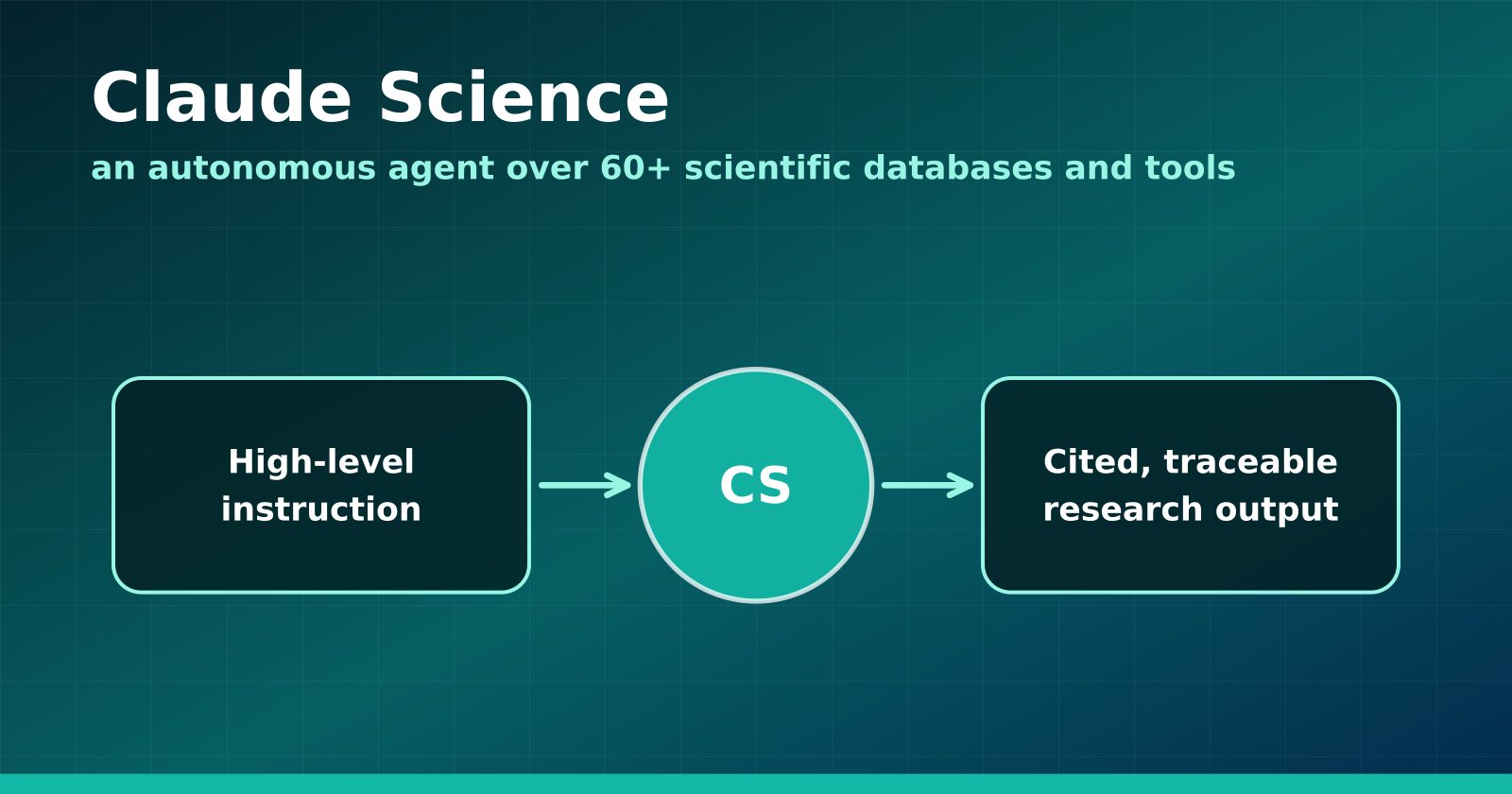
Claude Science Turns the Research Workbench Into an Agent Surface
Anthropic's new flagship product wires 60+ scientific databases and computation tools into an autonomous research agent — and Anthropic is using it to hunt drugs for neglected diseases.
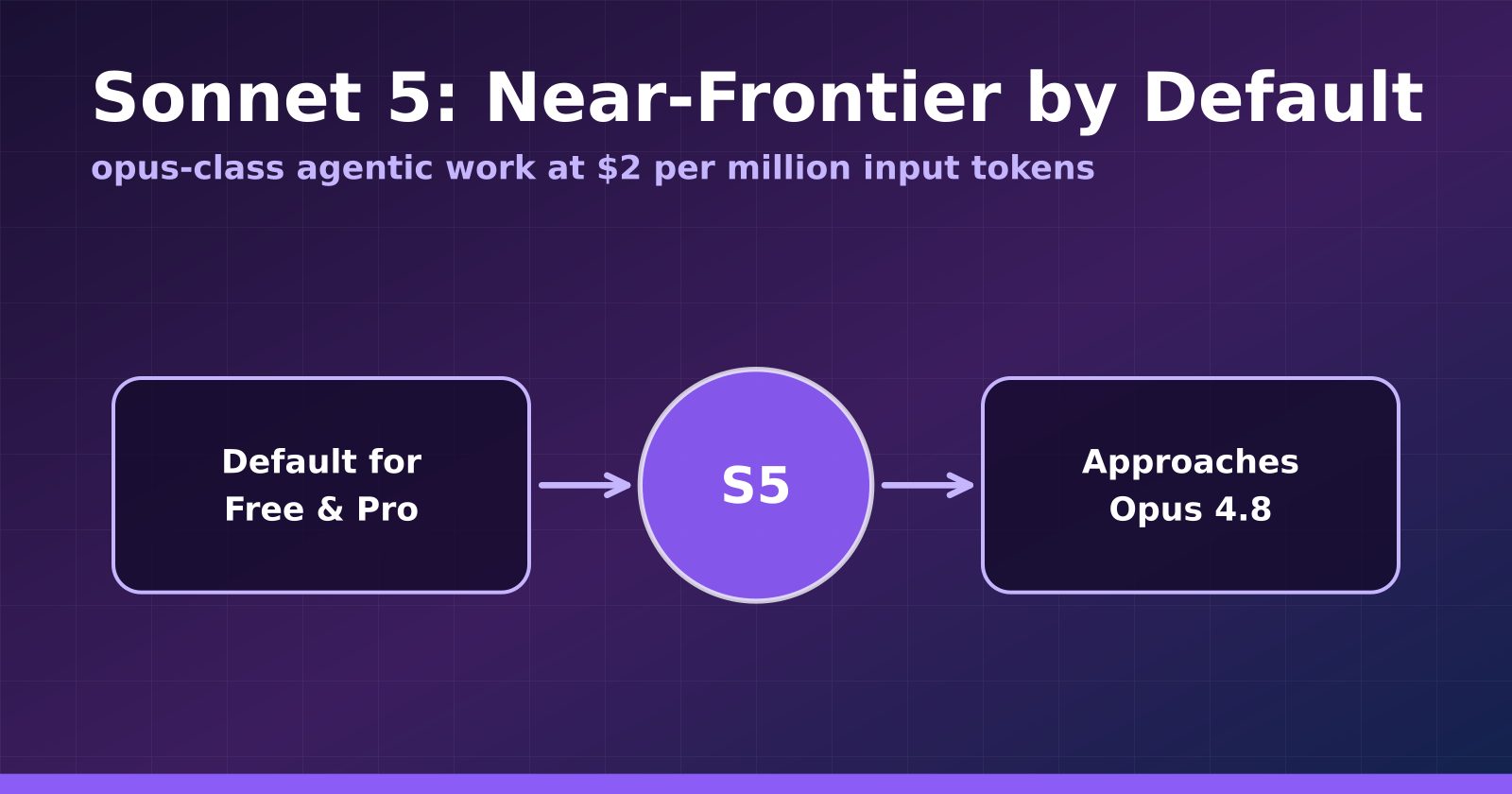
Claude Sonnet 5 Makes Near-Frontier Performance the Default Tier
Anthropic's Sonnet 5 launches at $2 per million input tokens, approaches Opus 4.8 on agentic benchmarks, and becomes the default for Free and Pro users.