The Trillion-Dollar AI Era: Inside OpenAI's Confidential IPO and How to Prepare

Hey there, tech builders! If you thought the AI hype cycle was starting to cool down, think again. The tech world is buzzing with reports that OpenAI is exploring a confidential IPO path that could target a valuation near $1 trillion.
Yes, you read that right. Trillion with a T.
For context, OpenAI was valued at "just" $852 billion in its last private funding round. If this IPO goes through—potentially as early as Fall 2026—it will represent one of the most historic market debuts in human history, eclipsing standard tech IPOs and placing AI squarely at the center of the global macroeconomic landscape.
But here is my personal take: Is a $1 trillion valuation a reflection of real, sustainable cash flow, or are we witnessing the largest, most expensive financial bubble since the Dot-Com crash of 2000? Let's dive deep into the commercial reality, the compute debt crisis, and a practical action plan for developers and founders to prepare for this epochal shift.
The Commercial Reality: From Research Lab to Revenue Engine
For the past three years, skeptics have argued that generative AI is a massive money sink—a technology that costs more to run than it could ever generate. OpenAI's latest public fundraising update signals a major structural transition: AI is no longer just a research experiment; it is now commercial infrastructure operating at massive scale.
With multimodal models, enterprise subscriptions, and a rapidly expanding developer ecosystem building on their API, OpenAI is proving that demand is real. The remaining question is whether revenue growth can outrun compute, talent, and infrastructure costs.
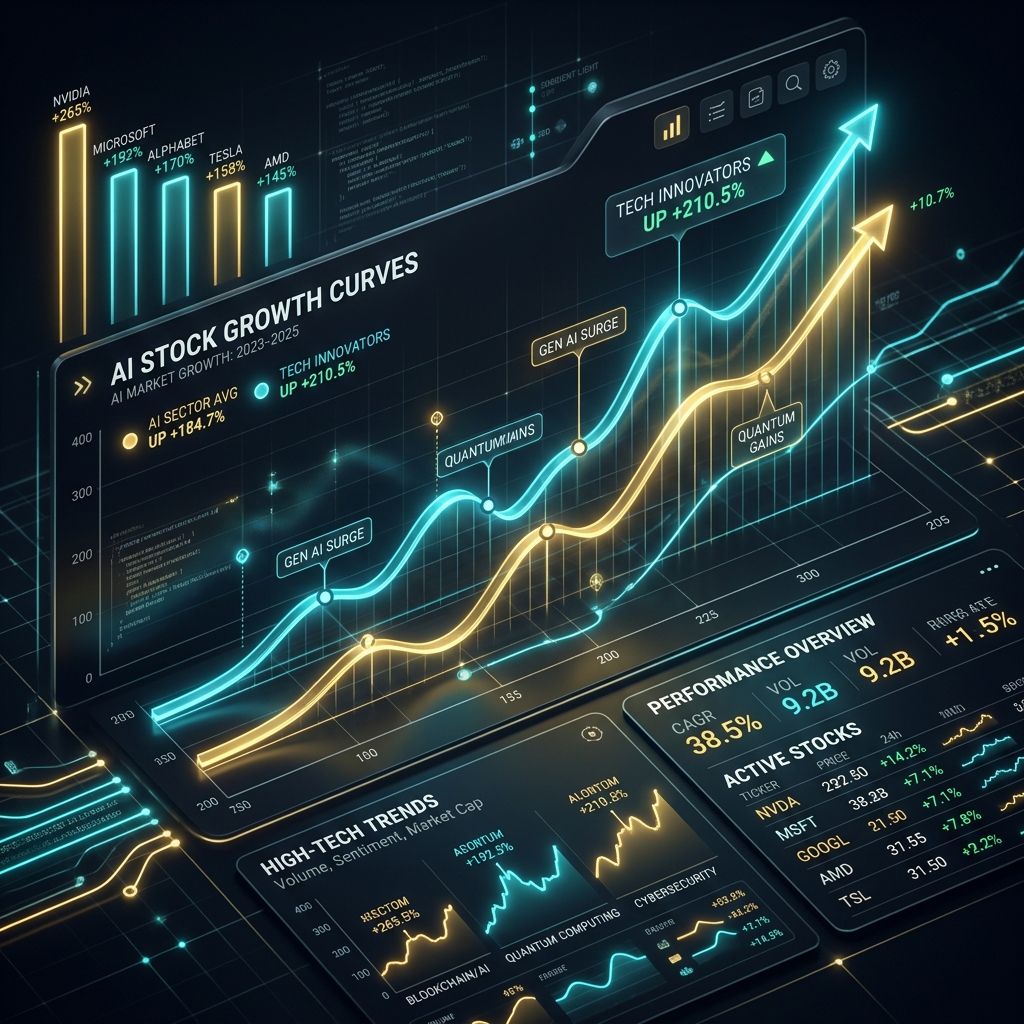
(AI Trillion Dollar Financial Growth Analytics Dashboard)
The Compute Cost Conundrum and "Compute Debt"
However, vetting an IPO at this scale means looking closely at the balance sheet. Training frontier models requires astronomical amounts of capital, creating a new engineering and financial bottleneck known as Compute Debt:
- GPU Shortages & Chip Cartels: Companies are competing fiercely for custom silicon, with NVIDIA commanding immense pricing power.
- Energy Constraints: Data centers are consuming so much power that tech giants are literally purchasing nuclear power plants to keep up.
- Infrastructure Bets: To maintain the lead, capital expenditures must continue to scale exponentially. If model scaling laws hit a physical wall, a trillion-dollar valuation could collapse under the weight of its own infrastructure costs.
Action Plan: How You Can Prepare for the Trillion-Dollar AI Era
When a titan like OpenAI goes public, the entire developer ecosystem shifts. Here is how you can position yourself to win:
- Focus on "Cost-per-Task" Economics: As public markets demand profit-first metrics, API pricing will fluctuate. Start designing your applications to be model-agnostic. Use smaller, fine-tuned open-source models for simple tasks and reserve frontier models only for highly complex cognitive reasoning.
- Build "Wrapper" Resilience: If your startup is just a simple wrapper around a third-party API, you are in danger. Enforce deep domain-specific workflows, local data integrations, and proprietary UI designs that cannot be easily copied.
- Optimize with Local Caching & LLMOps: Implement aggressive caching layers (like Redis or local storage in browser extensions) and semantic search architectures to minimize redundant API handshakes. Less server roundtrips mean higher profit margins.
Sources: OpenAI's March 2026 funding update, Axios reporting on the IPO prospectus.
What do you think? Is OpenAI genuinely worth a trillion dollars, or is the market overestimating the near-term economic utility of LLMs? Drop your thoughts in the comments below!
Ready to organize your knowledge with AI?
BrainMap automatically classifies your notes, discovers connections, and builds your personal knowledge graph. Free to start — no credit card required.
Start for FreeRelated Articles
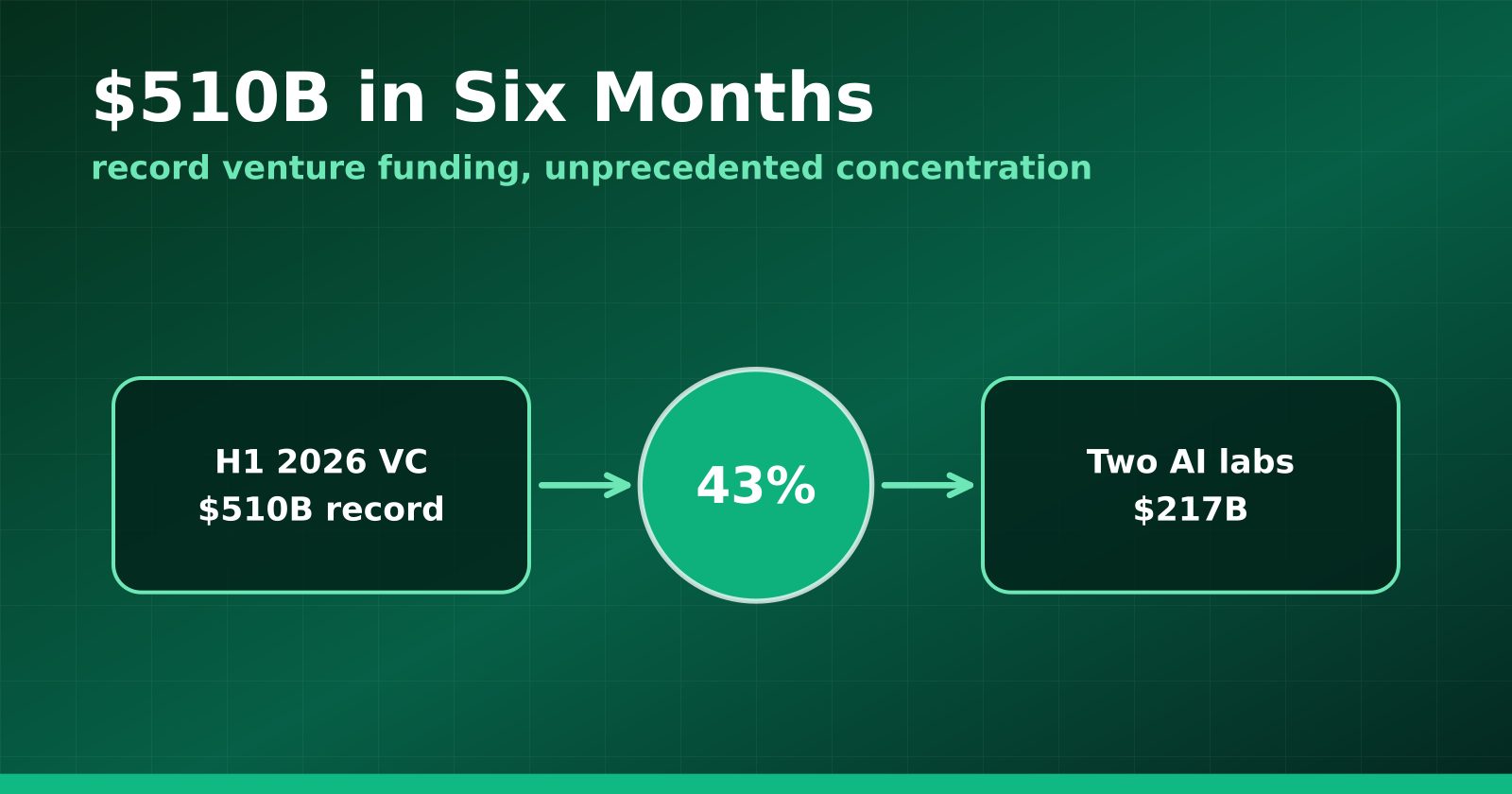
H1 2026 Venture Funding Hit a Record $510B — and Two AI Labs Took 43%
Crunchbase's half-year report shows global VC at an all-time high, with OpenAI and Anthropic alone absorbing $217 billion and AI claiming roughly two-thirds of all deployment.
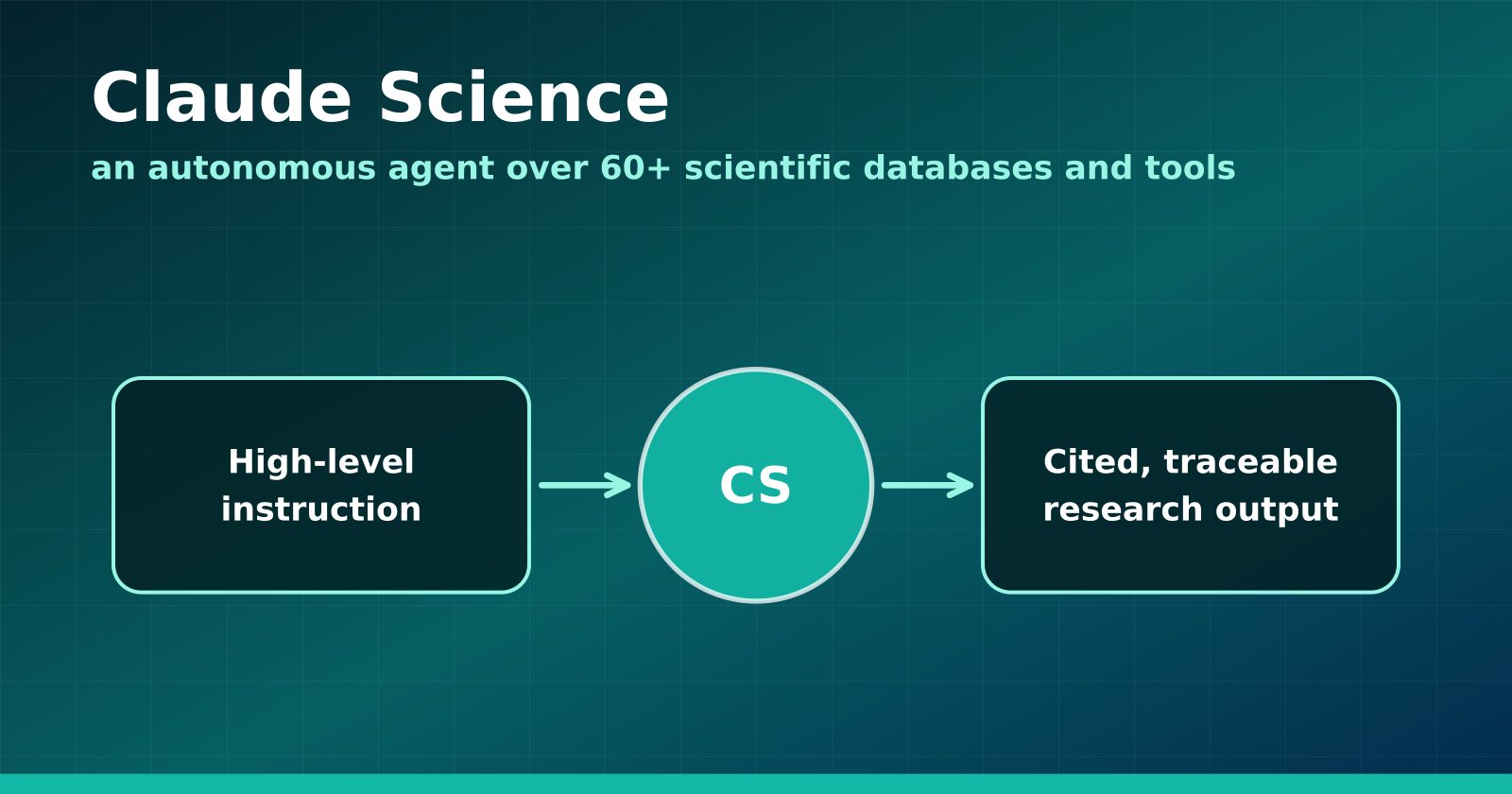
Claude Science Turns the Research Workbench Into an Agent Surface
Anthropic's new flagship product wires 60+ scientific databases and computation tools into an autonomous research agent — and Anthropic is using it to hunt drugs for neglected diseases.
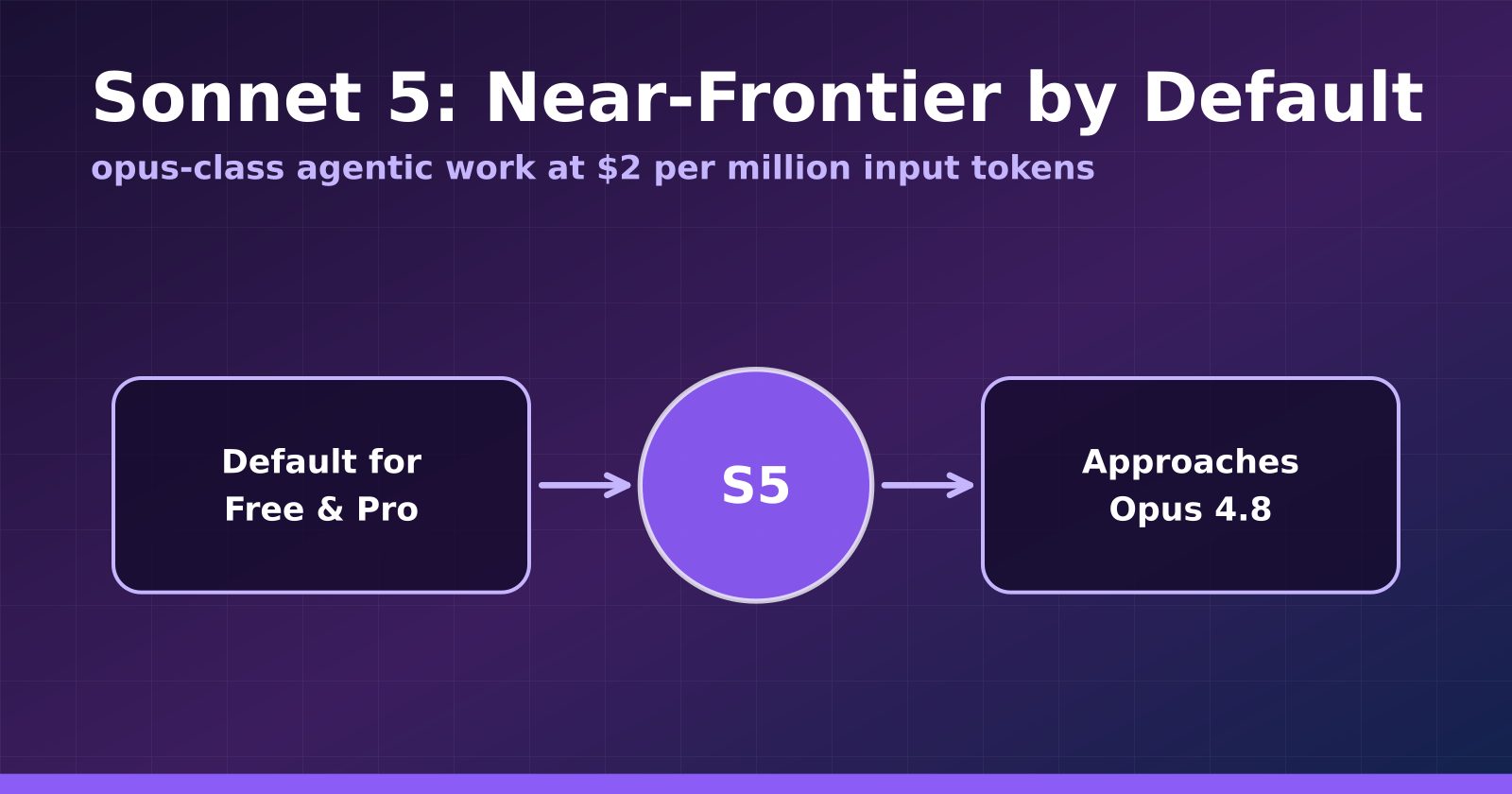
Claude Sonnet 5 Makes Near-Frontier Performance the Default Tier
Anthropic's Sonnet 5 launches at $2 per million input tokens, approaches Opus 4.8 on agentic benchmarks, and becomes the default for Free and Pro users.