From Colossus to Orbit: What Anthropic's SpaceX Compute Deal Says About AI Infrastructure

Hey everyone! Today, let’s talk about a piece of AI infrastructure news that sounds almost unbelievable: Anthropic is reportedly paying SpaceX about $1.25 billion per month for large-scale compute capacity.
Important nuance: the reported deal is for SpaceX's Colossus compute infrastructure, not proof that Anthropic is already running production workloads on orbital GPU satellites. Space-based data centers are a related and increasingly serious idea, but they remain an emerging infrastructure bet rather than the confirmed delivery mechanism for this specific contract.
But my personal engineering take is: AI companies are now buying compute the way industrial giants buy energy, and orbital data centers are becoming part of the long-term imagination because terrestrial power, land, and cooling are real bottlenecks. Let’s separate what is confirmed today from what might become real over the next few years.
The Terrestrial Energy Crisis
To understand why compute buyers are exploring unusual infrastructure, we have to look at the energy crisis on the ground. A single state-of-the-art AI training cluster can consume as much electricity as a small city.
- Grid Overload: Local electric grids in Virginia, Ireland, and Frankfurt are refusing to connect new data centers due to power shortages.
- Cooling Bottlenecks: On Earth, huge amounts of water and energy are wasted just keeping server racks cool.
Why People Keep Talking About Space
Space-based compute proposals aim at three bottlenecks:
- Unbounded Solar Energy: Highly efficient solar panels can capture raw, unfiltered sunlight 24/7 without atmospheric degradation or weather interference.
- Radiative Cooling: In orbit, heat must be radiated into vacuum, which avoids water cooling but creates a difficult thermal engineering problem.
- Sovereign and Resilient Infrastructure: Some providers pitch orbital systems as globally reachable and independent of terrestrial disasters or local grid congestion.
However, the drawbacks are severe: latency, launch cost, radiation, limited repair options, data-transfer bottlenecks, and uncertain economics. For now, treat orbital GPU clusters as a frontier experiment, while terrestrial mega-clusters remain the practical backbone of AI training and inference.

(Space-Based High Availability Compute Satellites Network)
Distributed Engineering Guide: How to Build Resilient Architectures
Even if your app isn't communicating with satellites, the shift towards highly distributed infrastructure requires a new way of thinking:
- Implement Aggressive Offline-First Storage: Never assume a network call will succeed instantly. Store critical local configurations and authorization states in local browser client databases so your applications can boot instantly without waiting for a server handshake.
- Design Idempotent Queue Systems: When syncing data across high-latency networks, use queue systems with unique request IDs. This ensures that if a network packet drops but the server actually processed the request, retrying won't create duplicate database entries.
- Use Decentralized Edge Computing: Move your light logic to Edge Functions (like Vercel Edge or Cloudflare Workers) to keep user interaction speeds ultra-fast (sub-50ms) while heavy AI operations are processed asynchronously.
Sources: Axios on the SpaceX compute deal, Starcloud-2 orbital compute roadmap.
What is your opinion? Would you trust your sensitive data to a satellite server orbiting Earth, or do the security risks outweigh the environmental benefits? Let me know below!
Ready to organize your knowledge with AI?
BrainMap automatically classifies your notes, discovers connections, and builds your personal knowledge graph. Free to start — no credit card required.
Start for FreeRelated Articles
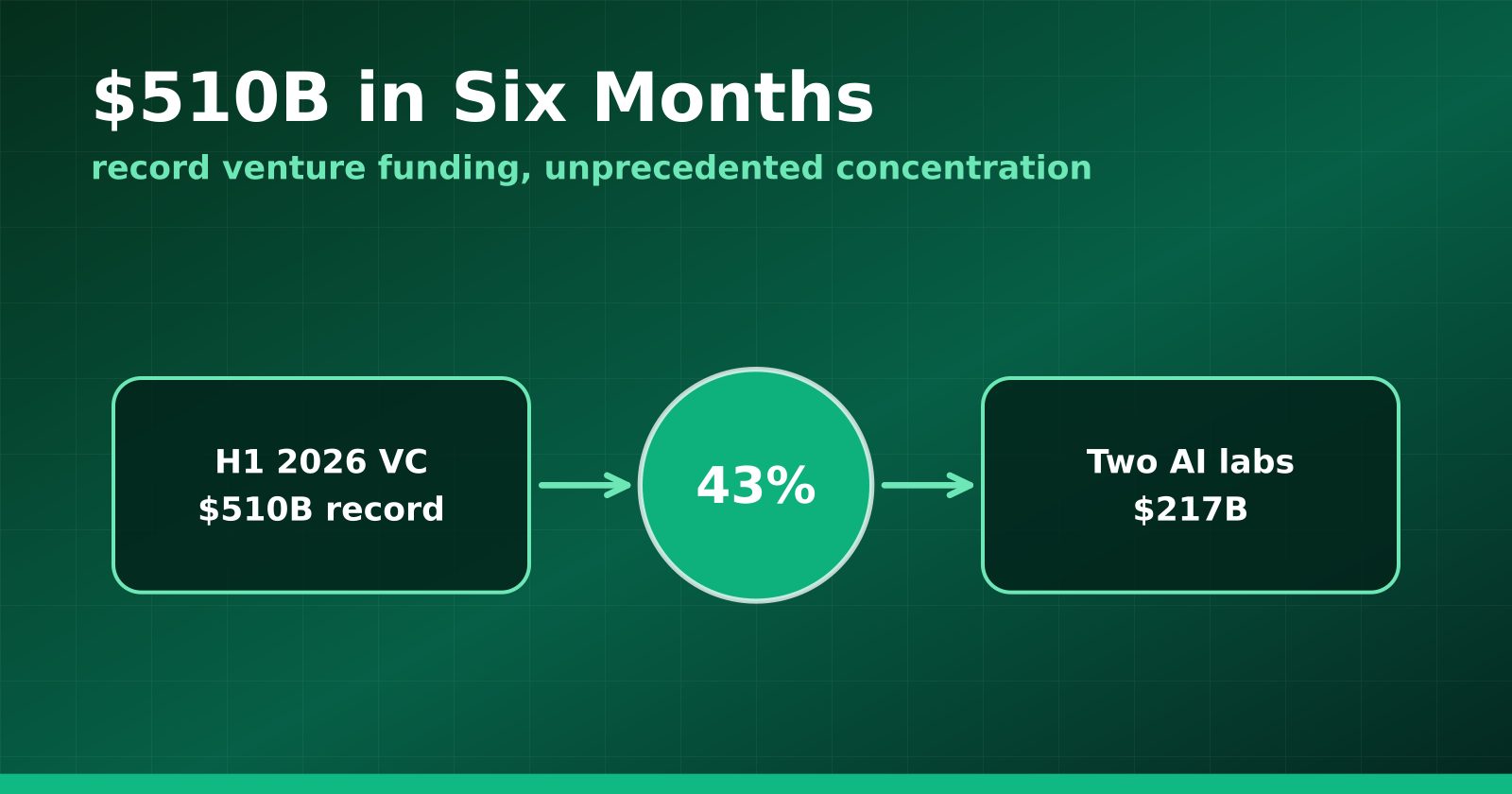
H1 2026 Venture Funding Hit a Record $510B — and Two AI Labs Took 43%
Crunchbase's half-year report shows global VC at an all-time high, with OpenAI and Anthropic alone absorbing $217 billion and AI claiming roughly two-thirds of all deployment.
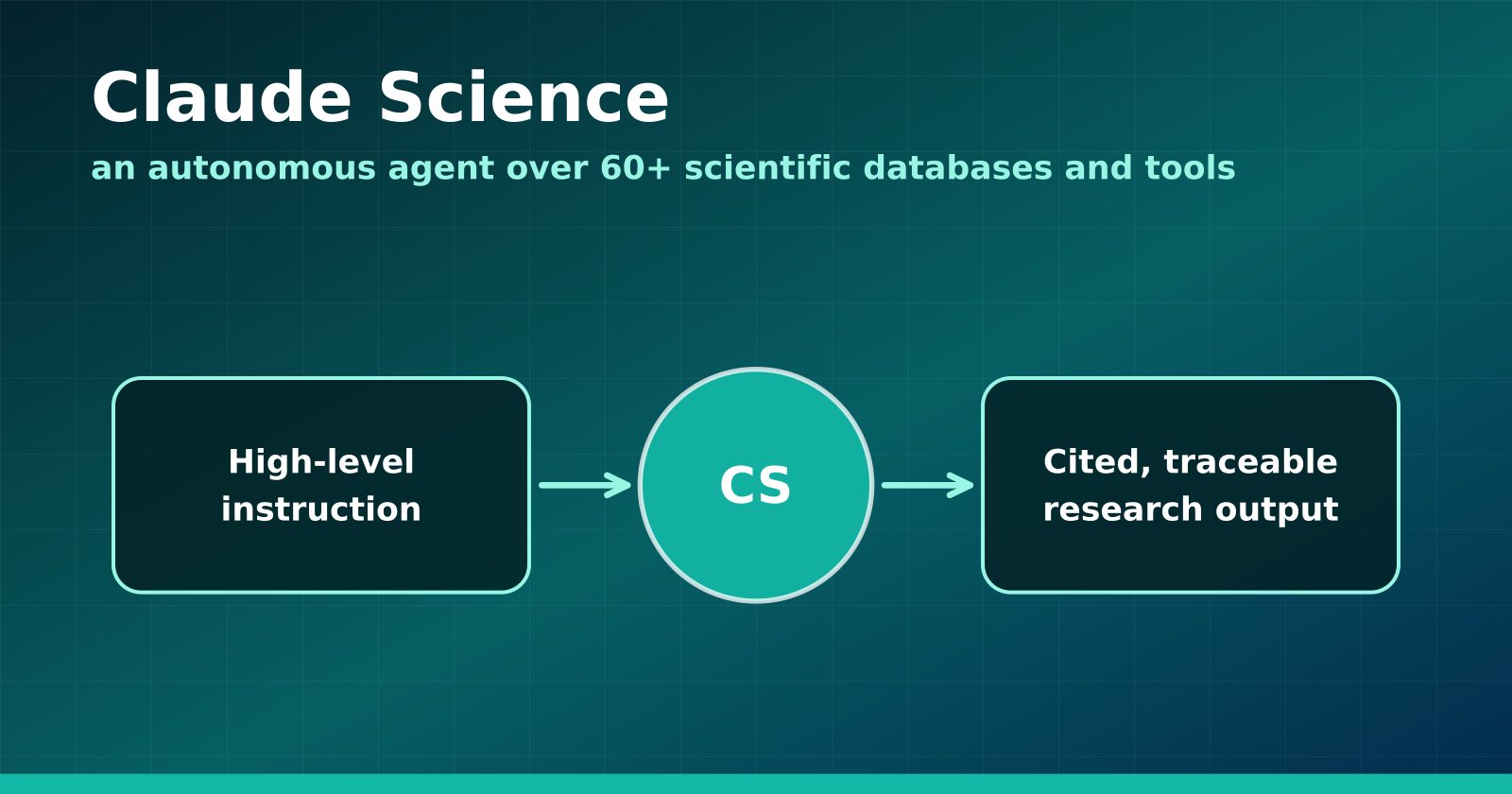
Claude Science Turns the Research Workbench Into an Agent Surface
Anthropic's new flagship product wires 60+ scientific databases and computation tools into an autonomous research agent — and Anthropic is using it to hunt drugs for neglected diseases.
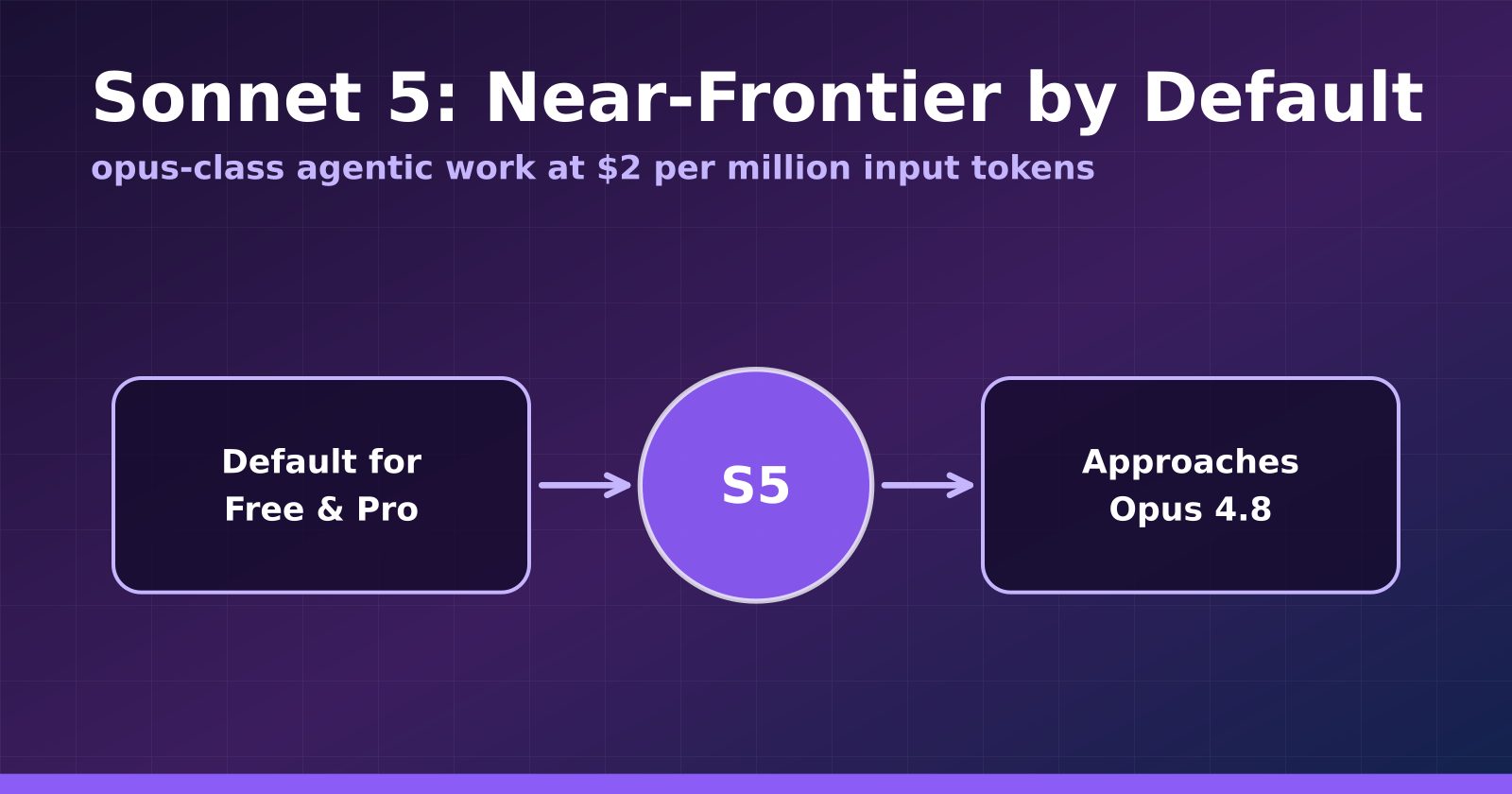
Claude Sonnet 5 Makes Near-Frontier Performance the Default Tier
Anthropic's Sonnet 5 launches at $2 per million input tokens, approaches Opus 4.8 on agentic benchmarks, and becomes the default for Free and Pro users.