AI and Human Dignity: Inside the First-Ever Papal Encyclical 'Magnifica Humanitas'

Hello friends! Today, let’s step away from code and API optimization for a moment to discuss a deeply profound, historic milestone that just took place: Pope Leo XIV publishing the first-ever papal encyclical dedicated entirely to artificial intelligence, titled Magnifica Humanitas (Magnificent Humanity).
When one of the world's oldest moral institutions steps forward to write an encyclical on modern algorithms, it signals that AI has progressed far beyond an engineering subfield.
But let's ask a difficult question: Will moral encyclicals like this actually influence silicon valley billionaires, or are we just shouting ethics into a void of pure commercial momentum? Let’s unpack the core themes of Magnifica Humanitas, look at what it says about human labor, and explore a guide on how we as creators can build technology that respects human dignity.
Core Themes of Magnifica Humanitas
Pope Leo XIV's encyclical doesn't reject technology. Indeed, it praises AI as a "gift of human intellect and creativity." However, it places sharp moral boundaries:
- The Primacy of the Person: Technology must serve the human person, never the other way around.
- The Dignity of Labor: Warning against treating human labor merely as an operational cost to be eliminated by AI automation.
- Algorithmic Bias: Training AI purely on past data risks locking in historical inequalities, creating an "automated caste system".

(Human-Centric AI Ethics and Social Inclusion Framework)
The Engineer's Guide: Building Human-Centric AI
How do we translate moral philosophy into practical software architecture?
- Prioritize "Human-in-the-Loop" Design: Don't build systems that make final, high-stakes decisions autonomously. Let the AI recommend, but ensure a human signs off.
- Promote Intellectual Autonomy: Avoid echo chambers. In semantic search models, build in random exploration to expose users to multiple points of view.
- Respect Content Creators: Always enforce paywall limits, do not scrape private content without explicit consent, and always link the original source URL to every saved piece of knowledge.
- Make Interfaces Accessible: Support screen readers, enforce high color contrast, and localize apps so language barriers don't create digital divides.
Source: Vatican text of Magnifica Humanitas.
What is your opinion? Do religious and ethical institutions have a legitimate role in guiding AI technology development, or should code be left entirely to the market? Let's discuss in the comments!
Ready to organize your knowledge with AI?
BrainMap automatically classifies your notes, discovers connections, and builds your personal knowledge graph. Free to start — no credit card required.
Start for FreeRelated Articles
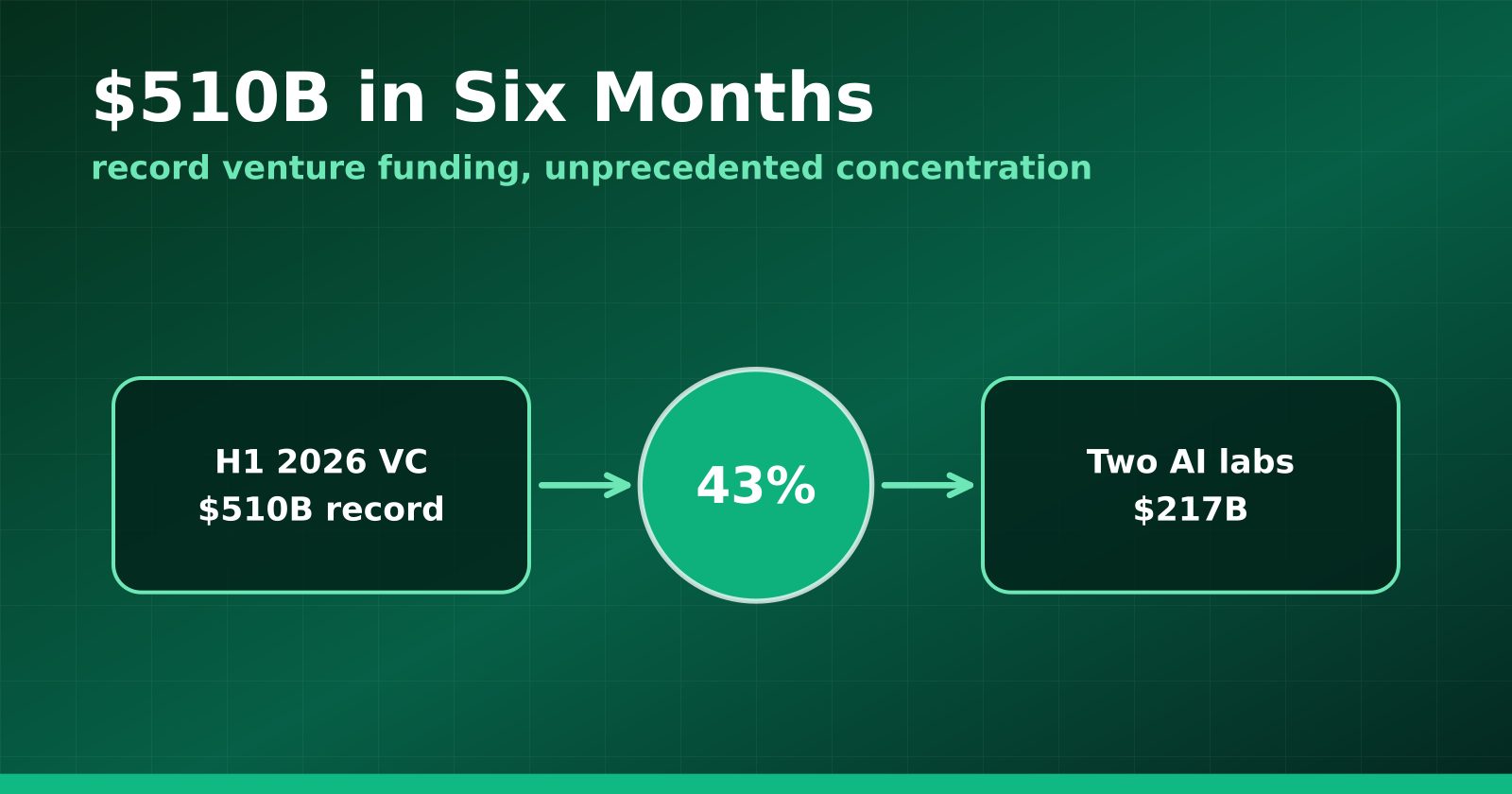
H1 2026 Venture Funding Hit a Record $510B — and Two AI Labs Took 43%
Crunchbase's half-year report shows global VC at an all-time high, with OpenAI and Anthropic alone absorbing $217 billion and AI claiming roughly two-thirds of all deployment.
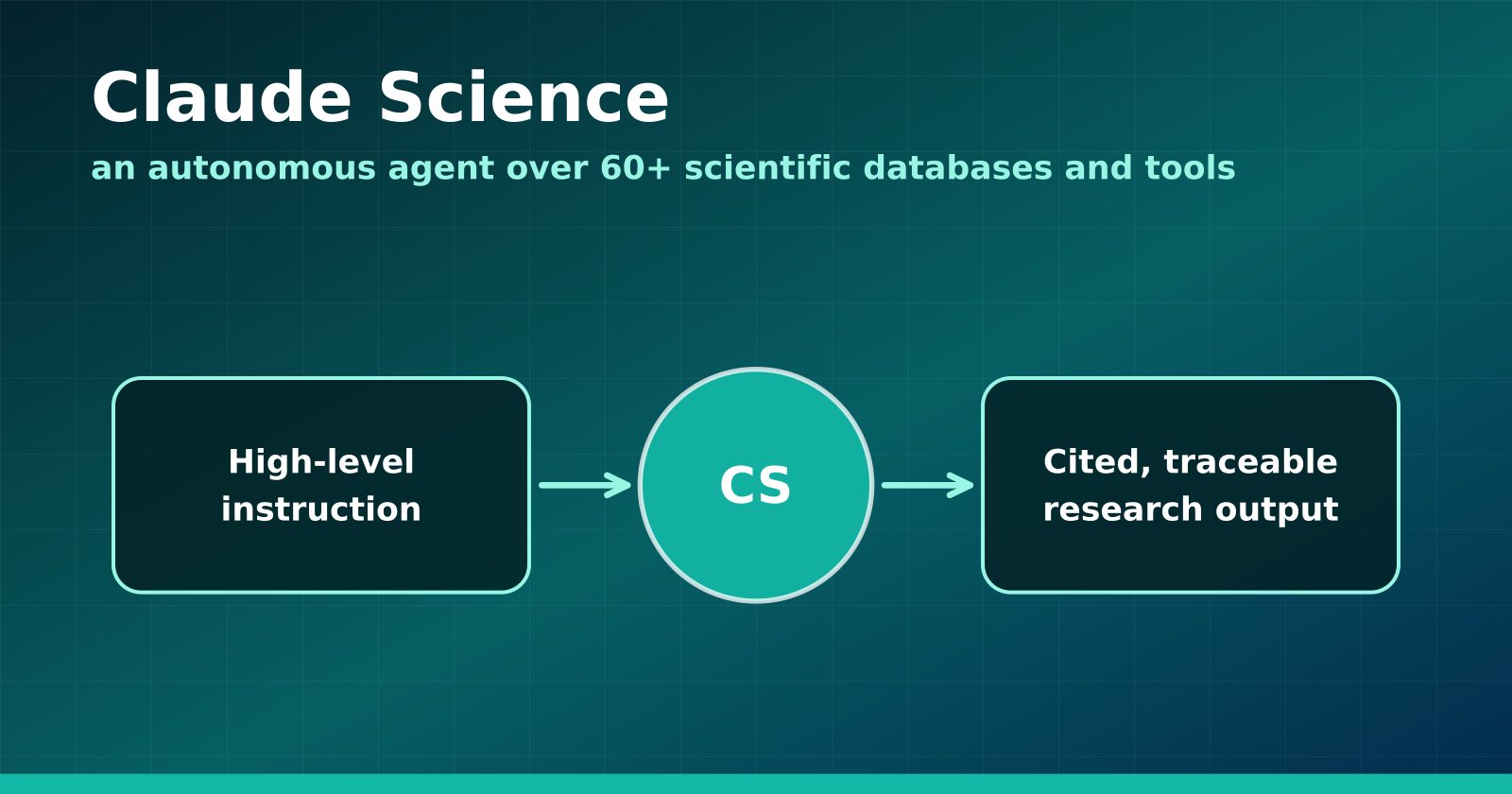
Claude Science Turns the Research Workbench Into an Agent Surface
Anthropic's new flagship product wires 60+ scientific databases and computation tools into an autonomous research agent — and Anthropic is using it to hunt drugs for neglected diseases.
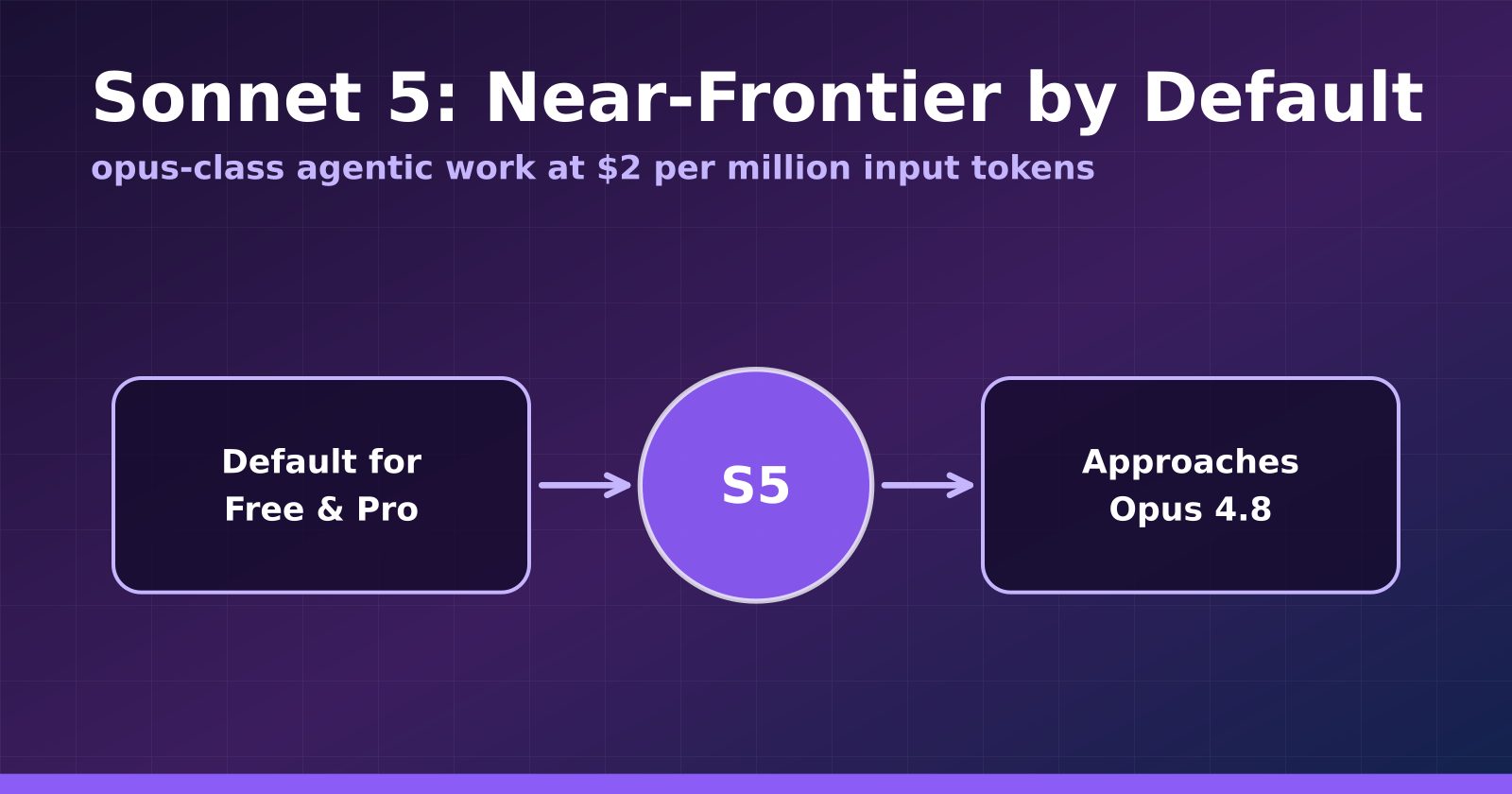
Claude Sonnet 5 Makes Near-Frontier Performance the Default Tier
Anthropic's Sonnet 5 launches at $2 per million input tokens, approaches Opus 4.8 on agentic benchmarks, and becomes the default for Free and Pro users.