Personal Knowledge Management: A Complete Guide for 2026
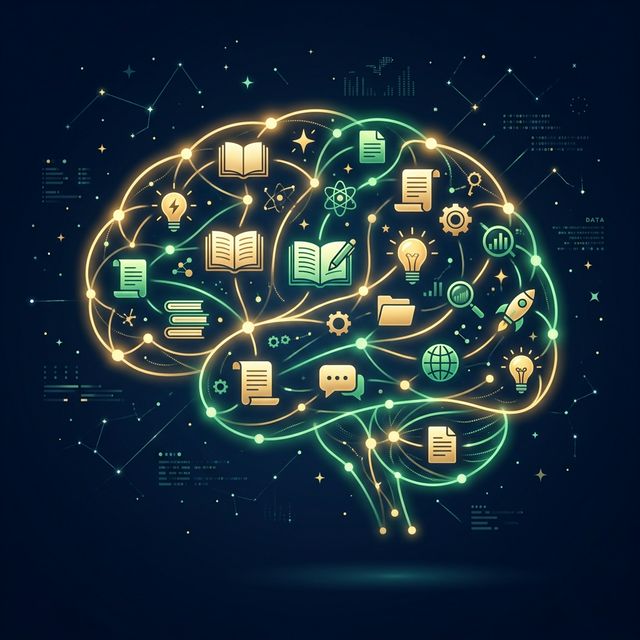
Personal Knowledge Management (PKM) is the practice of collecting, organizing, and retrieving information for personal use. In an age of information overload, having a PKM system isn't a luxury — it's a necessity.
What Is Personal Knowledge Management?
PKM is more than just taking notes. It's a complete system for:
- Capturing ideas, articles, insights, and observations
- Organizing information so you can find it when you need it
- Connecting related ideas to generate new insights
- Retrieving knowledge quickly when the moment calls for it
Think of it as building a "second brain" — an external system that extends your biological memory.
Why Most PKM Systems Fail
The biggest reason PKM systems fail is friction. If it takes effort to organize, you won't do it. If search doesn't work well, you won't find what you saved. Common failure modes:
Over-Organization
Creating elaborate folder hierarchies, tag taxonomies, and naming conventions. This feels productive but takes more time than the value it creates.
Under-Connection
Saving notes in silos without any way to discover relationships. Your note about "design thinking" should connect to your note about "user interviews," but in most apps, they live in separate folders forever.
Tool Hopping
Switching between Notion, Obsidian, Roam, Logseq, and others every few months. Each migration loses context and momentum.
The Modern PKM Stack
A good PKM system in 2026 needs three things:
- Zero-friction capture: Save ideas in seconds, not minutes
- Automatic organization: AI handles classification so you don't have to
- Connection discovery: Surface relationships between ideas automatically
BrainMap was built specifically around these three principles. When you save a note, AI classifies it instantly. When you search, semantic understanding finds what you mean, not just what you typed. And the knowledge graph reveals connections you never knew existed.
Building Your PKM Workflow
Here's a practical workflow using BrainMap:
Daily Capture
- Write quick notes for fleeting ideas
- Save interesting articles or snippets
- Log meeting notes and key decisions
- Bookmark URLs with context
Weekly Review
- Check your knowledge graph for new connections
- Star important notes for quick access
- Review AI-generated topics and tags
- Export a summary if needed
Monthly Reflection
- Explore topic clusters in the knowledge graph
- Identify knowledge gaps
- Archive or clean up stale notes
- Review your most-connected notes
Conclusion
Personal knowledge management doesn't have to be complicated. The best system is the one you actually use. Start small, capture consistently, and let AI handle the organization.
Ready to build your second brain? Try BrainMap free.
Ready to organize your knowledge with AI?
BrainMap automatically classifies your notes, discovers connections, and builds your personal knowledge graph. Free to start — no credit card required.
Start for FreeRelated Articles
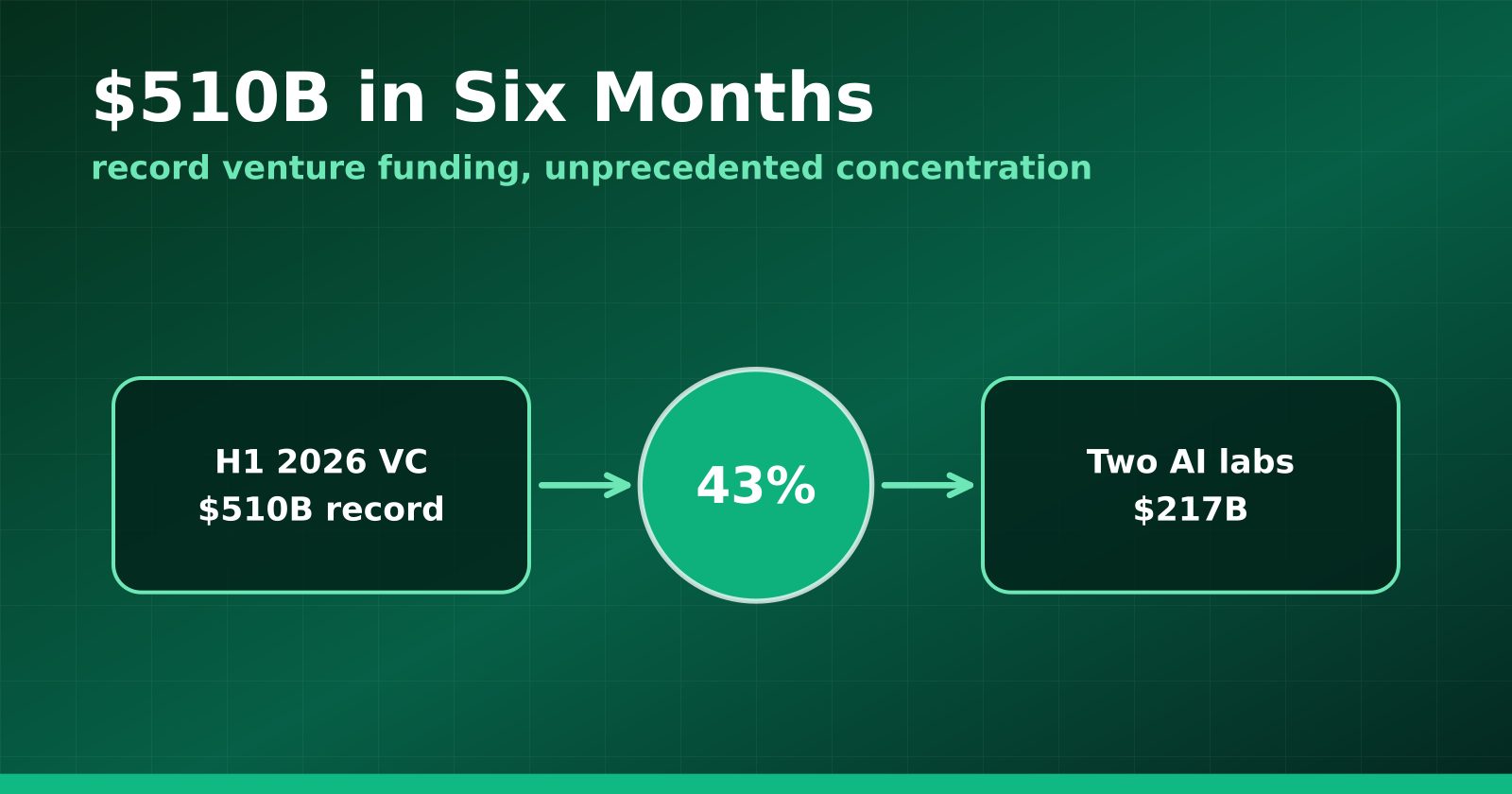
H1 2026 Venture Funding Hit a Record $510B — and Two AI Labs Took 43%
Crunchbase's half-year report shows global VC at an all-time high, with OpenAI and Anthropic alone absorbing $217 billion and AI claiming roughly two-thirds of all deployment.
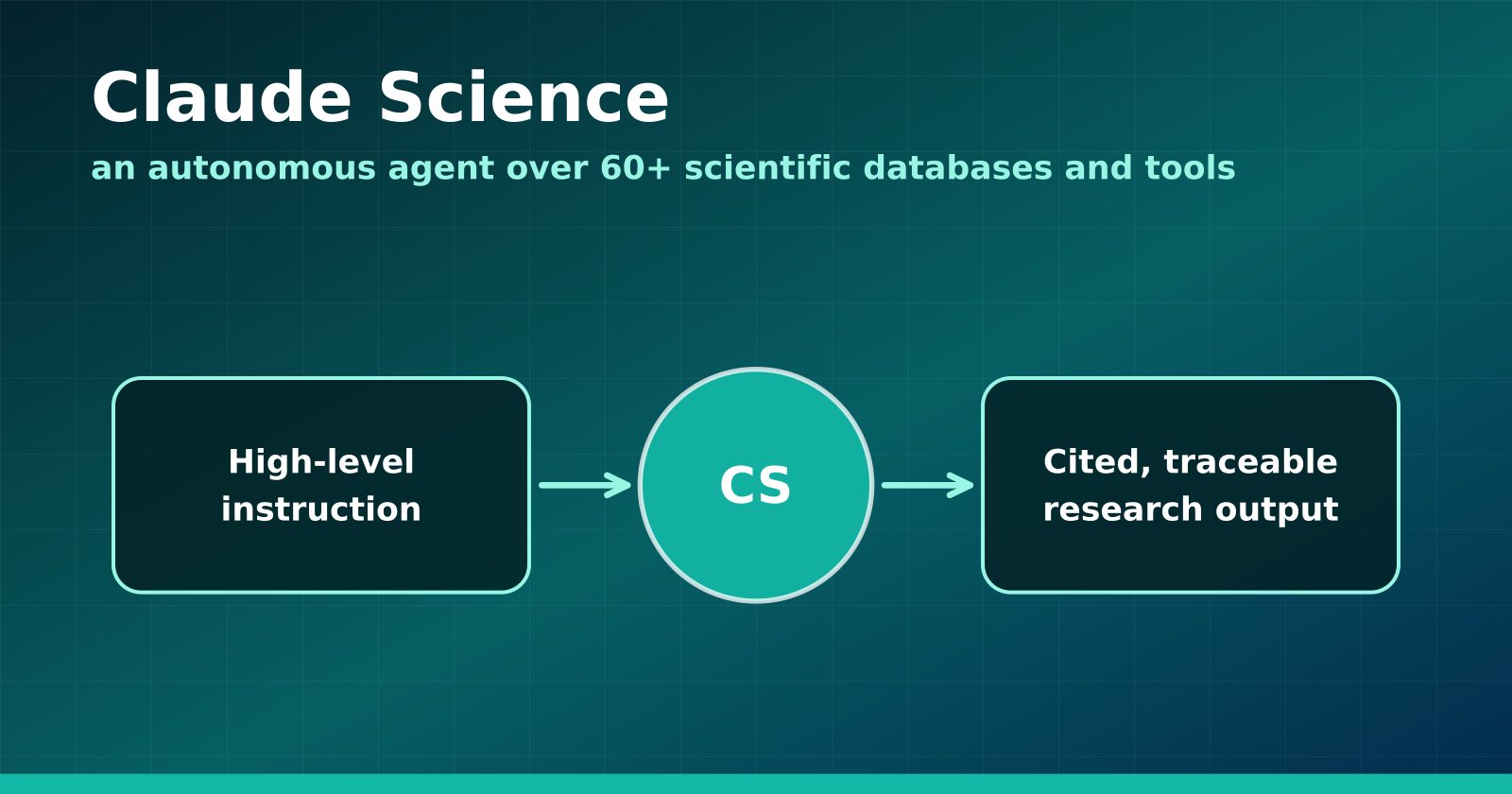
Claude Science Turns the Research Workbench Into an Agent Surface
Anthropic's new flagship product wires 60+ scientific databases and computation tools into an autonomous research agent — and Anthropic is using it to hunt drugs for neglected diseases.
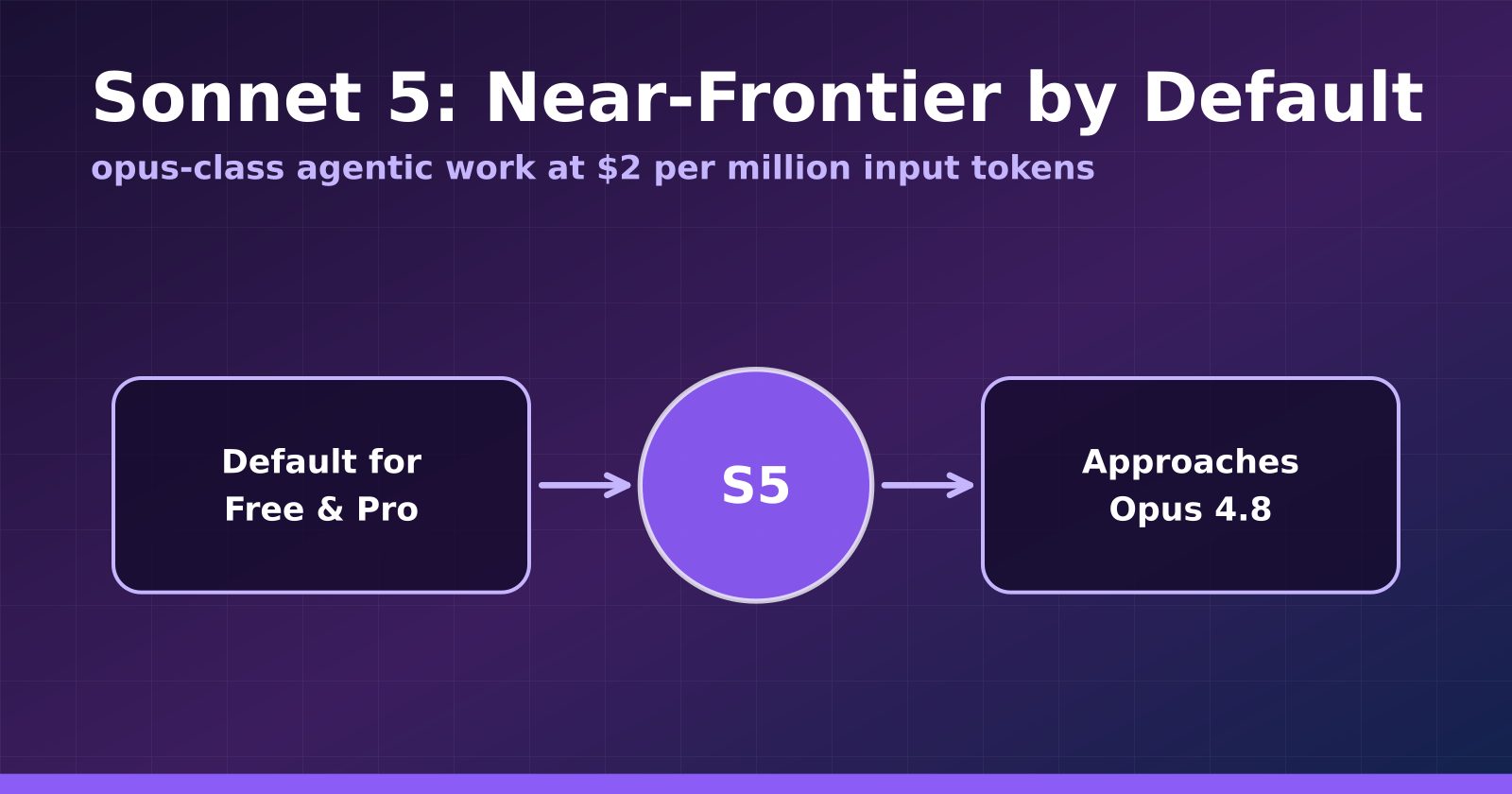
Claude Sonnet 5 Makes Near-Frontier Performance the Default Tier
Anthropic's Sonnet 5 launches at $2 per million input tokens, approaches Opus 4.8 on agentic benchmarks, and becomes the default for Free and Pro users.