Regulatory Whiplash: What the Pulled US AI Safety Draft Means for You
Hey there, tech leaders and builders! Today we are discussing a major piece of political news that has caused whiplash across the tech sector: a proposed U.S. AI and cybersecurity executive order was reportedly pulled or postponed before signing.
Previously, there was a major push toward pre-release safety testing for advanced foundation models. The current policy picture is more complicated: the Biden-era AI executive order was revoked in January 2025, major labs still participate in voluntary testing, and this newer draft order appears to have stalled after political and industry pushback.
My personal analysis: While this deregulatory wave will hyper-accelerate American AI development, it shifts 100% of the ethical and security burden onto software engineers and startup founders. We are now the gatekeepers of safety. Let’s unpack this policy shift and explore how you can navigate compliance in an unregulated market.
The Battle of Acceleration vs. Alignment
The policy debate boils down to two opposing philosophies:
- The Accelerationist View (e/acc): Regulation slows down innovation. If the U.S. enforces heavy pre-release testing, capital and talent will flee to unregulated countries. Speed is safety.
- The Alignment/Safety View: Uncontrolled release of powerful frontier models poses massive cyber and physical security risks. Without audits, we let tech companies self-regulate high-risk technology.
With the draft order stalled, the burden of safety remains heavily on private companies, voluntary testing programs, and internal engineering discipline.
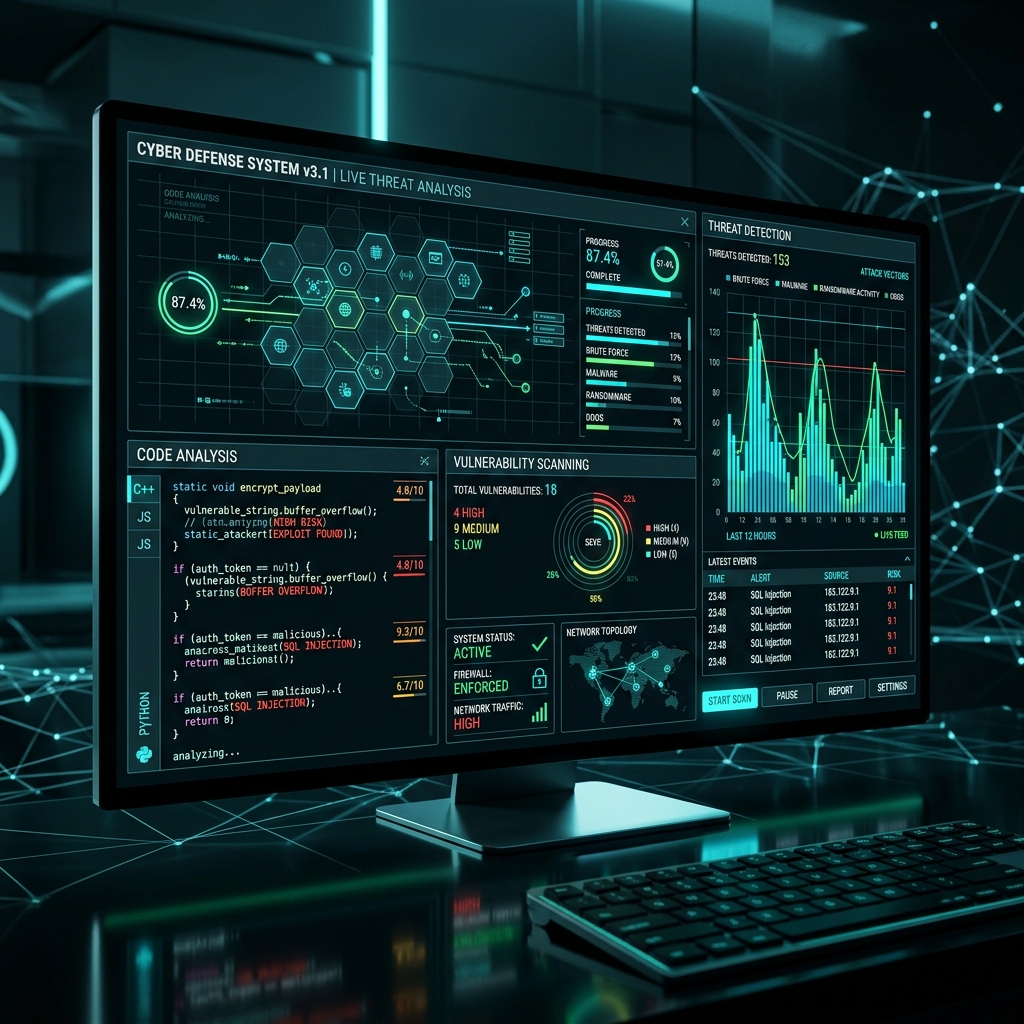
(Global AI Safety Compliance Regulatory Zones Map)
Guide: How to Future-Proof Your AI App in a Volatile Policy Landscape
As a founder or developer, you cannot afford to ignore regulatory shifts:
- Implement Granular Geographic Gates (Geo-fencing): While the U.S. is deregulating, the EU (AI Act) is tightening its rules. Enforce geographical checks at the edge and route EU users to fully compliant database clusters.
- Build an Internal Compliance Checklist: Never train your models on user-submitted data without explicit opt-in. Keep clear, encrypted records of all API requests and outputs.
- Adopt Voluntary Security Scans: Even if the government doesn't mandate it, run regular vulnerability and security scans on your code using automated static analysis plugins.
- Enforce Strict Local Sanitization: Protect your system from prompt injection. Treat user inputs to your LLMs with the same suspicion as raw SQL queries.
Sources: Axios on the pulled draft order, White House EO 14179 revoking prior AI policies.
What do you think? Does rolling back safety regulations protect national innovation, or are we playing a dangerous game of Russian roulette with advanced AI? Let me know your thoughts!
Ready to organize your knowledge with AI?
BrainMap automatically classifies your notes, discovers connections, and builds your personal knowledge graph. Free to start — no credit card required.
Start for FreeRelated Articles
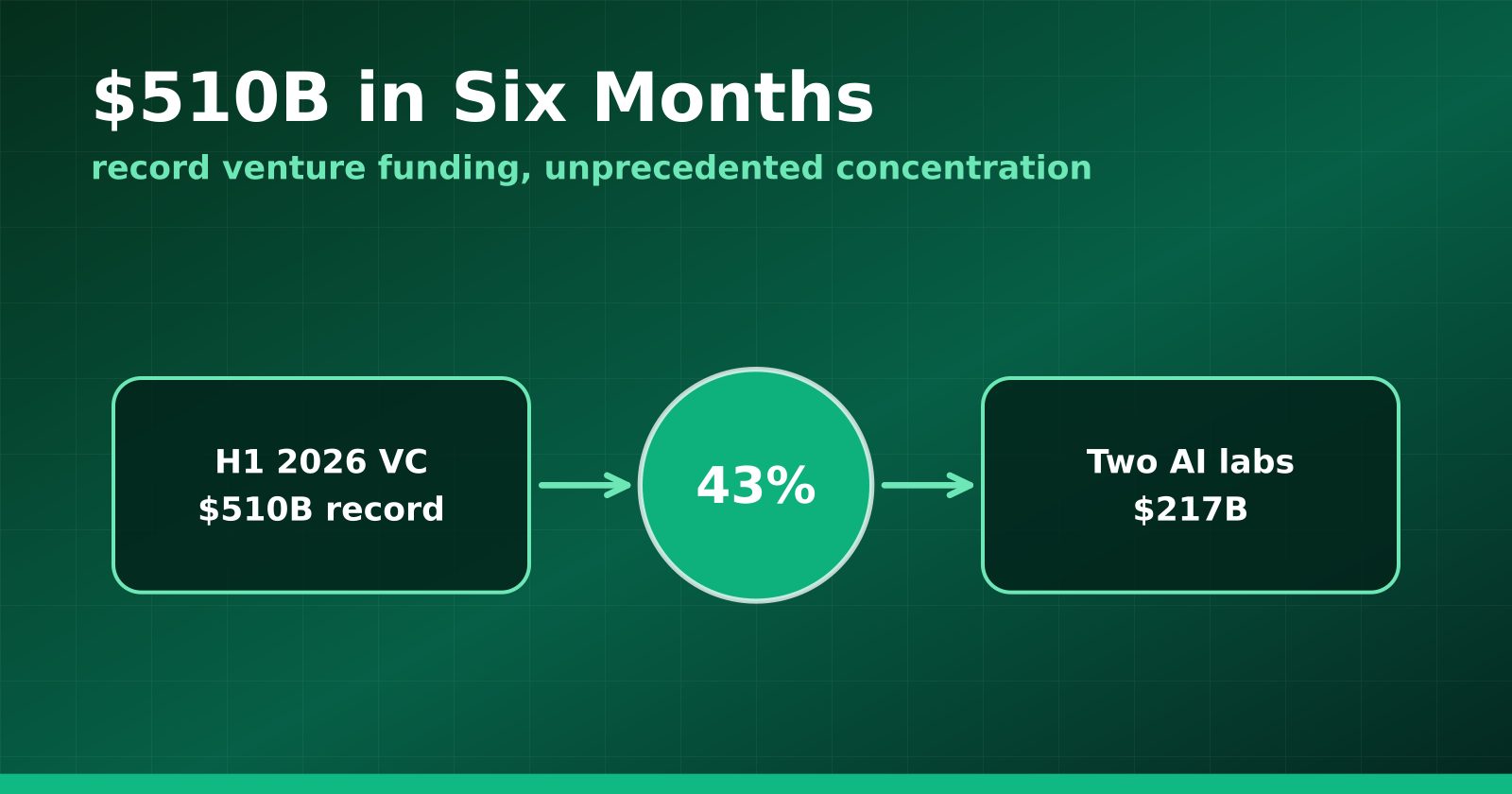
H1 2026 Venture Funding Hit a Record $510B — and Two AI Labs Took 43%
Crunchbase's half-year report shows global VC at an all-time high, with OpenAI and Anthropic alone absorbing $217 billion and AI claiming roughly two-thirds of all deployment.
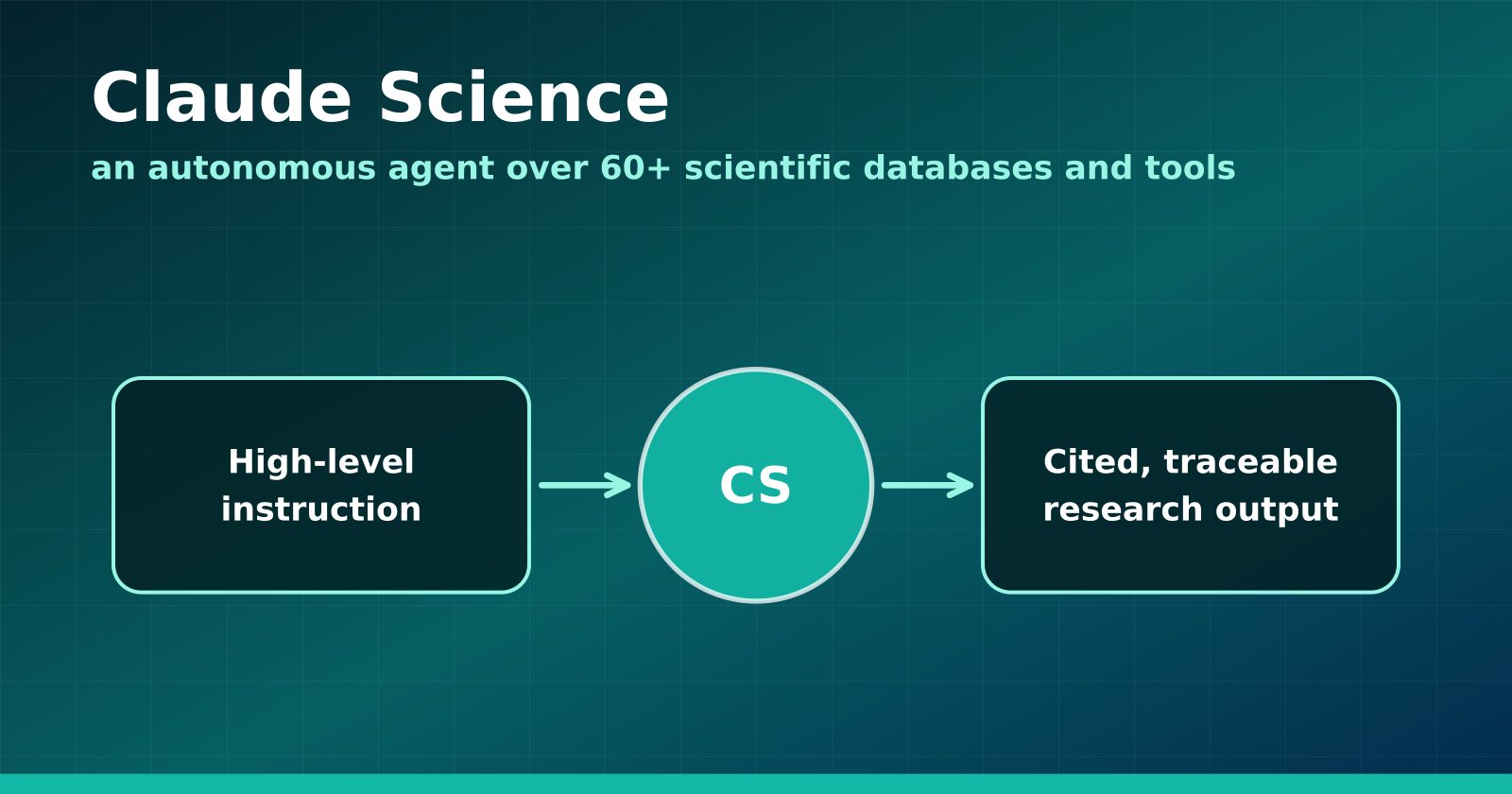
Claude Science Turns the Research Workbench Into an Agent Surface
Anthropic's new flagship product wires 60+ scientific databases and computation tools into an autonomous research agent — and Anthropic is using it to hunt drugs for neglected diseases.
Claude Sonnet 5 Makes Near-Frontier Performance the Default Tier
Anthropic's Sonnet 5 launches at $2 per million input tokens, approaches Opus 4.8 on agentic benchmarks, and becomes the default for Free and Pro users.